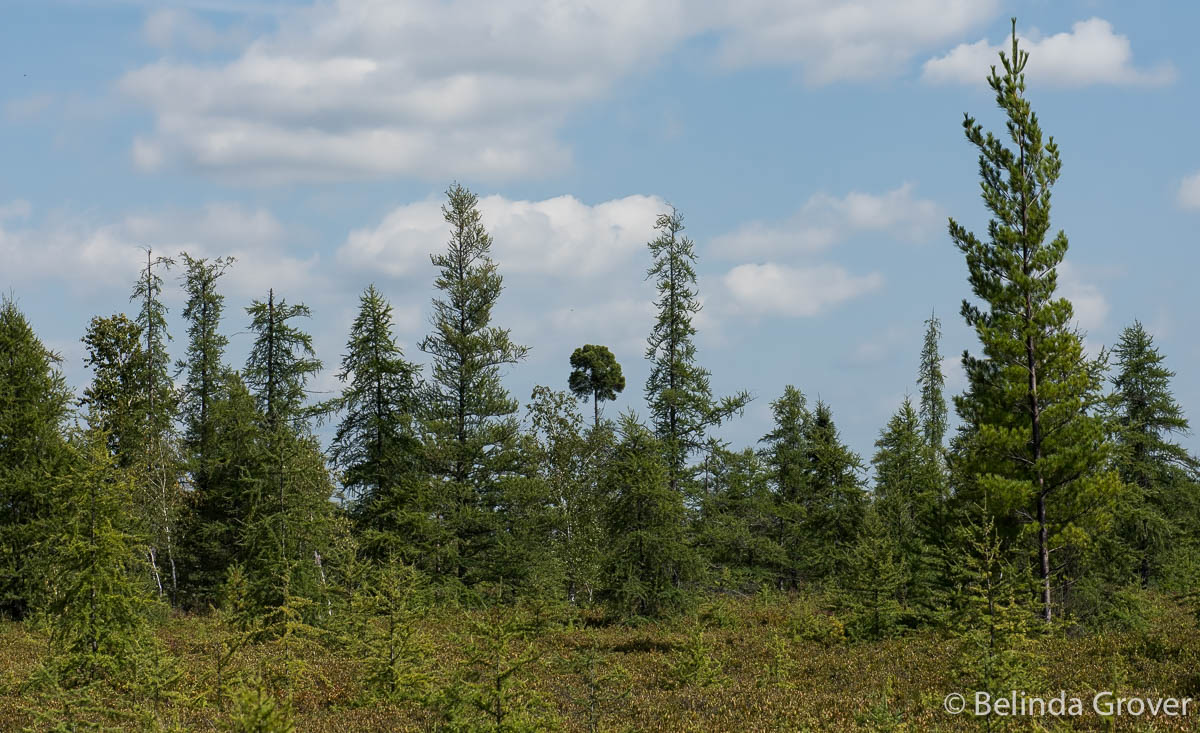
I took this at a nearby conservation area I should visit more often. A boardwalk winds its way through this section of the popular reserve but looking out it feels like you’re the only one there.

I took this at a nearby conservation area I should visit more often. A boardwalk winds its way through this section of the popular reserve but looking out it feels like you’re the only one there.

Late each summer grasshoppers show up in great numbers. They’re skittish and scatter as you walk along. I watched this one as it jumped off the path into the grass and nestled in the leaf.
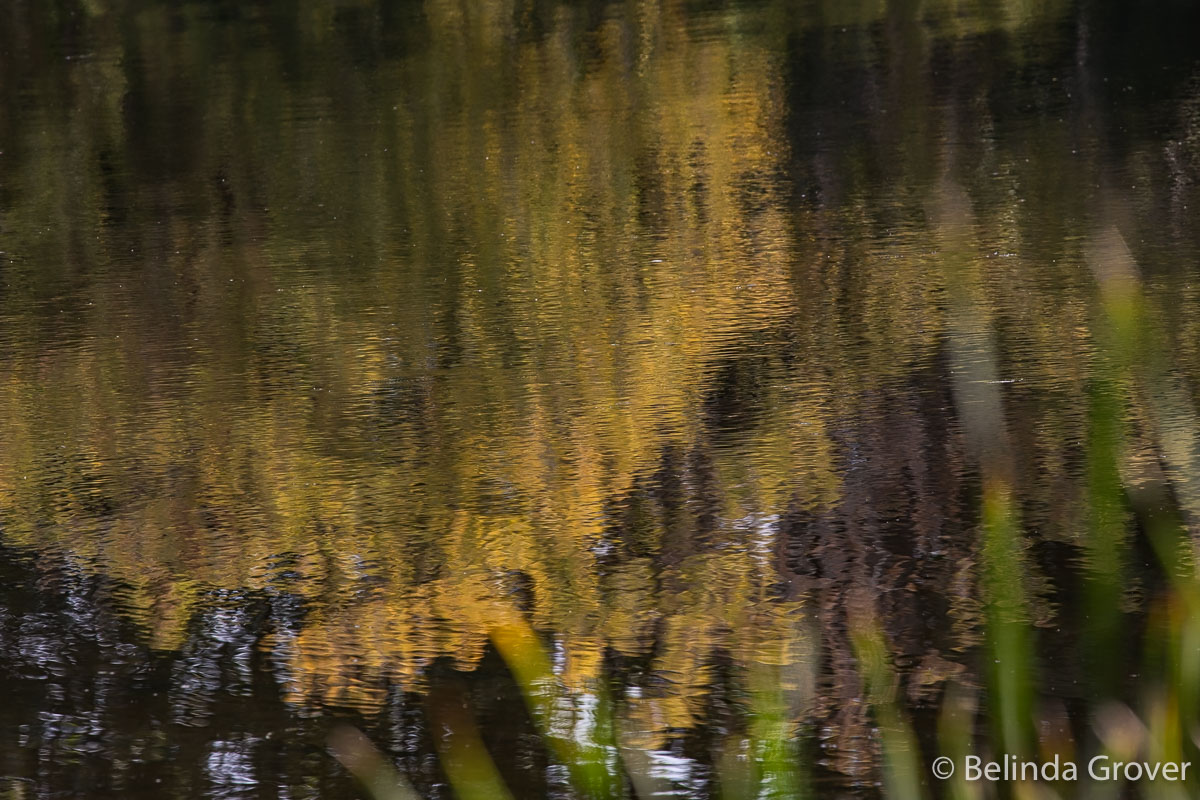
I enjoy taking scenes like this. The fall foliage casts beautiful reflections on the river.

Balancing rocks, another public art gallery to enjoy while walking along the Ottawa River.

Viceroys, another one of summer’s delights.
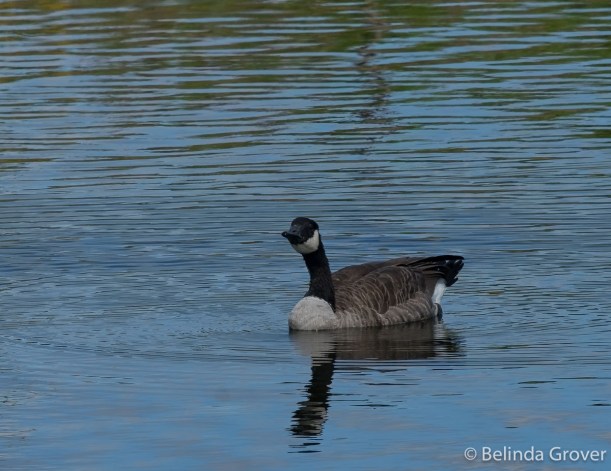
Stopping to stretch my legs at a highway rest stop, I heard the familiar honking of geese overhead. Looking up I caught the team as they flew by. Another sign of spring’s return. 😊
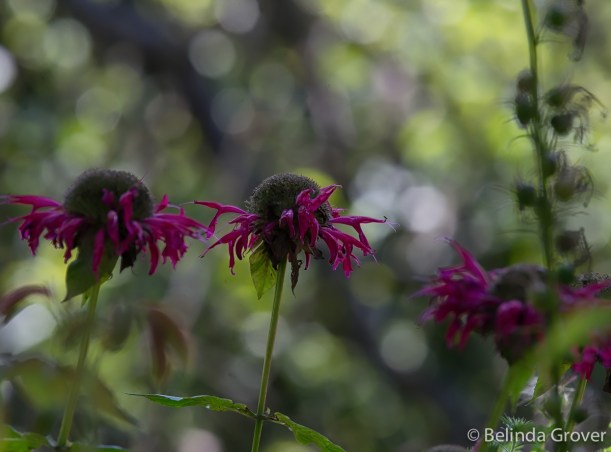
It’s been so grey lately it was time for a little colour. Although taken in late summer the flowers didn’t fade quietly.

Late last fall we discovered this pond while on the way to another location. There was so much activity on the water that we never made it to our original destination. We’ll be heading back in a couple of weeks when spring migration is underway.
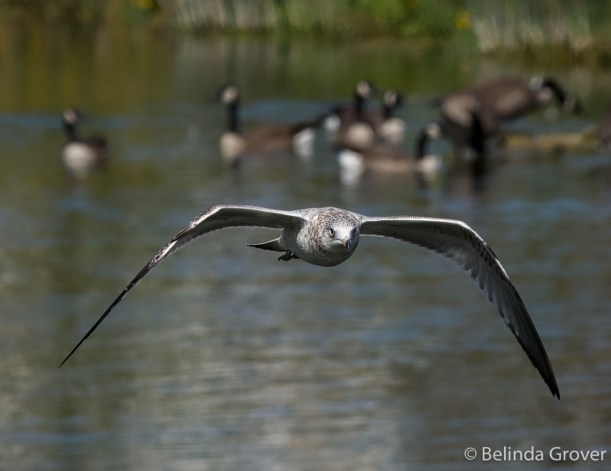
This is a first winter ring-billed gull or at least it was, when I took the photo in October. It is still speckled and has a pink bill. You can appreciate these birds on their own when they don’t blend into the colony.
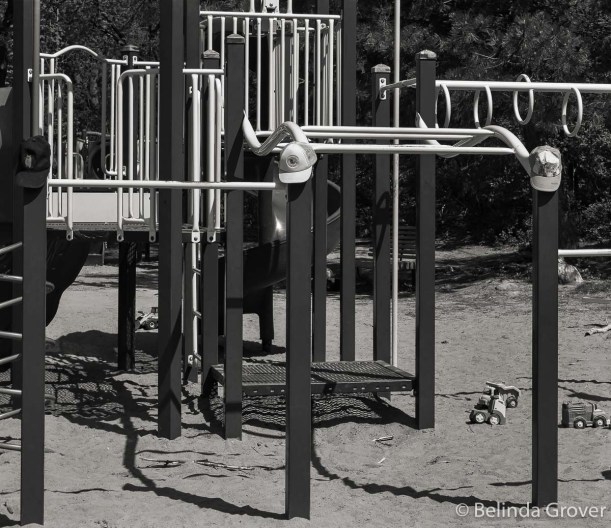
Playgrounds look best when filled with kids.

These birds are among the first to return in the early spring. We’ll just have to wait a few more weeks. However, I did see a pair of Canada Geese flying overhead. What a sight at the end of a long winter 😊
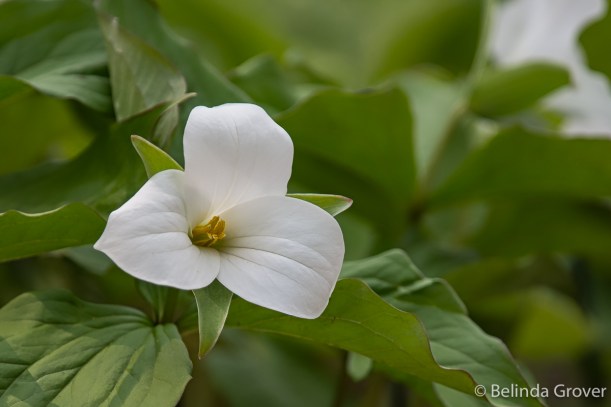
Trilliums grow wild in our woods in late spring. Another thing to look forward to as winter fades.
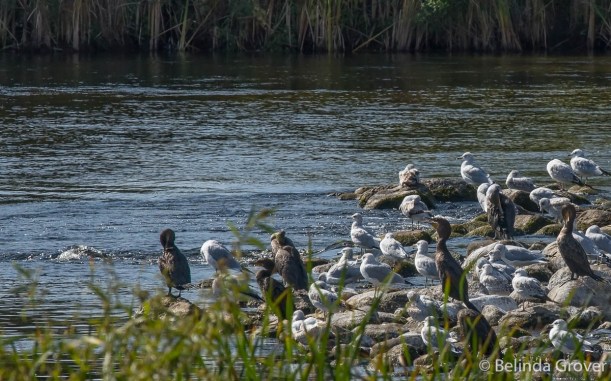
Cormorants and gulls found the same outcropping to enjoy some sun on an early October day.
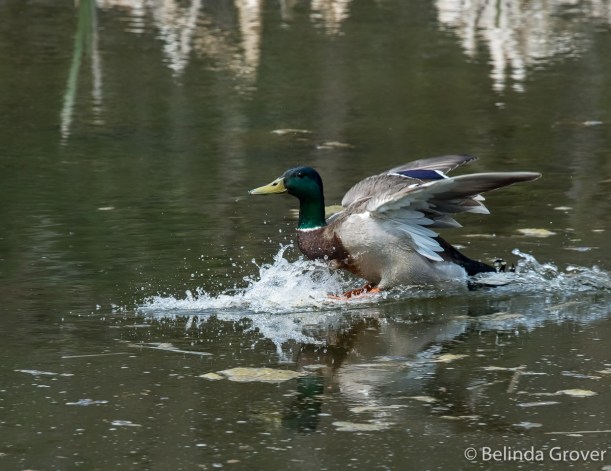
Sometimes you just have to plunge right in.
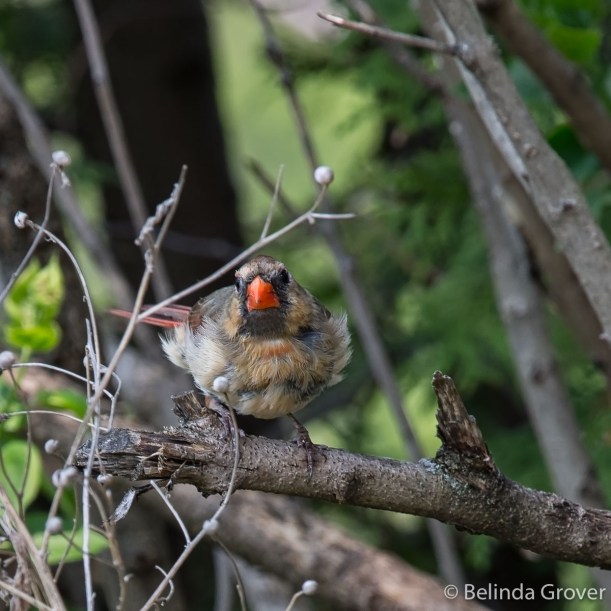
This female northern cardinal had just flown back from a feeder. If a bird can look put out this one certainly did.
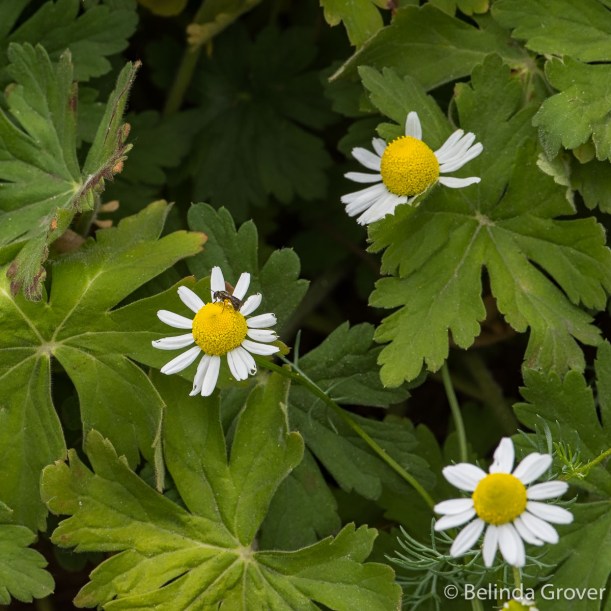
Spring passes quickly here. Yesterday we had record breaking warm temperatures, today we’re back in the deep freeze. A few flowers were urgently called for…
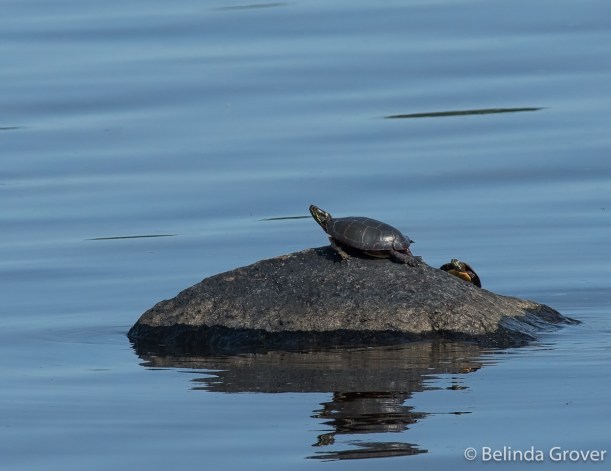
Sun loving painted turtles dig into the mud at the bottom of lakes and ponds over the winter. Their metabolism slows down and they can survive without food and very little oxygen. They’re not stirring yet but as spring returns and the days get warmer we’ll be seeing them again in great numbers.

California Dreaming. 😏

Another occasion where I heard the woodpecker tapping away before I spotted him.

While taking some photographs on the grounds of the Canadian Museum of Nature I passed by a window of this imposing 1910 building and saw the geometric design of the staircase. It was quite a contrast to the exterior of the museum.

There is a patch of wild roses that attract bees of all kinds every summer. This one was doing a little happy dance .😊

I watched the cabbage white move between the flowers taking samples as it went.
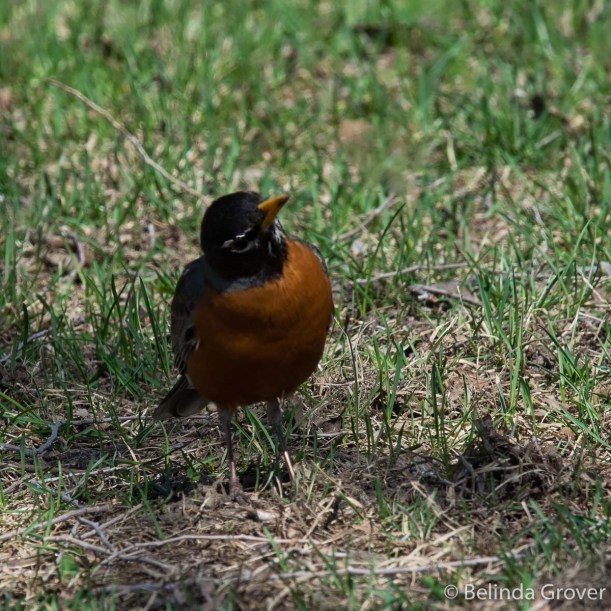
I haven’t seen a Robin yet but I keep looking. We associate them with spring but I have seen the occasional one in the winter.

Our neighbourhood is close to the downtown core and still has a good number of older homes mixed in with the new. I liked the way this house was illuminated in the sunlight and thought it had a welcoming look to it, gargoyles and all!
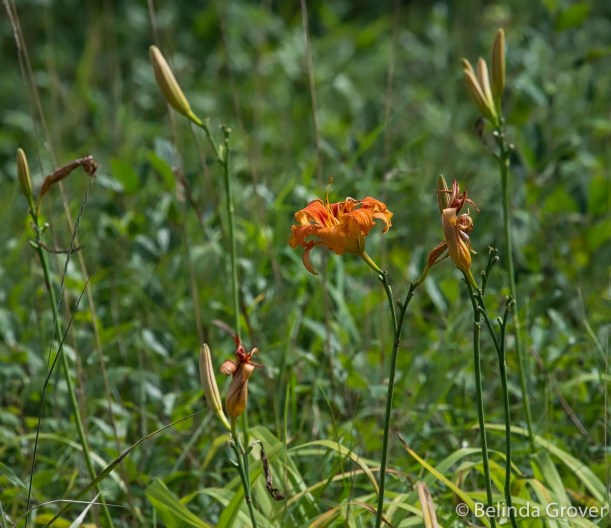
A little bit of colour on this cold grey day.

I featured this green heron a few days ago as it came in for a landing. Here’s a parting shot. 😏

Japanese Beetles are a form of scarab beetle. Despite their attractive appearance, they are an invasive species in North America and parts of Europe and very destructive to many crops and flowers. They do make interesting photography subjects though.

I watched as the green heron searched the shoreline for something to eat. Without success it flew off only to come in for a landing a short time later.
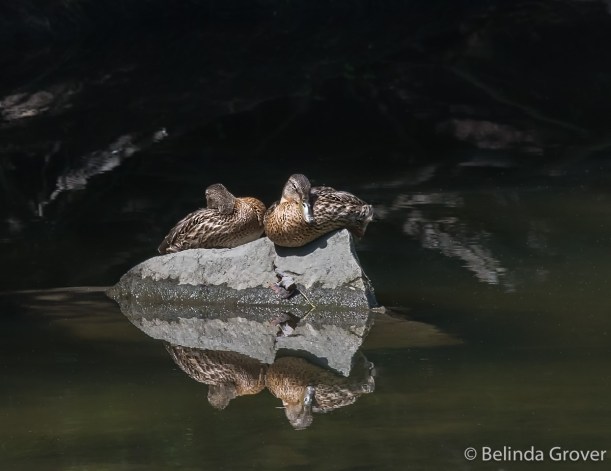
These American Black Ducks had the right idea.

On this sunny February day, with the temperature above zero, it’s easier to imagine a scene like this before too long. 😊

We are fortunate to see quite a few wood ducks during the warmer months. They return each year to a nearby lake, breed and raise their young and then migrate at the first frost. I took this photo in late summer.

I didn’t see the Daddy Long Legs, in the bottom of the frame, when I took the photo . The beetle obviously did. I hope it managed to make its getaway.😏
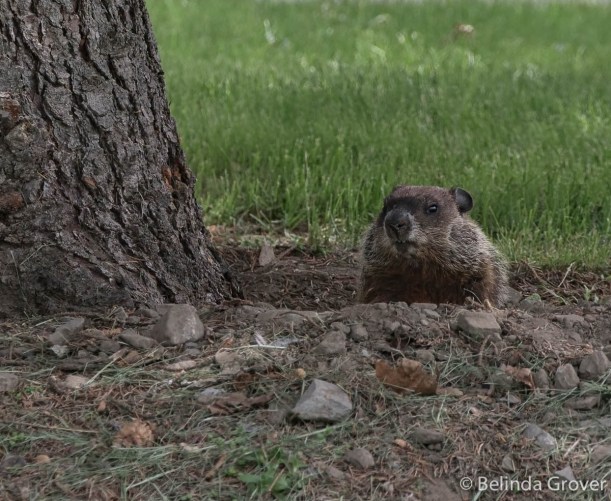
Yesterday was Groundhog Day in Canada and the United States. Two famous Canadian Groundhogs, one from Quebec and another from Nova Scotia predicted that we will have an early spring as neither saw their shadow. It seems their American pal is in agreement .😊

It’ll be a while before we see any damselflies but in the meantime I thought I’d revisit a bit of summer.
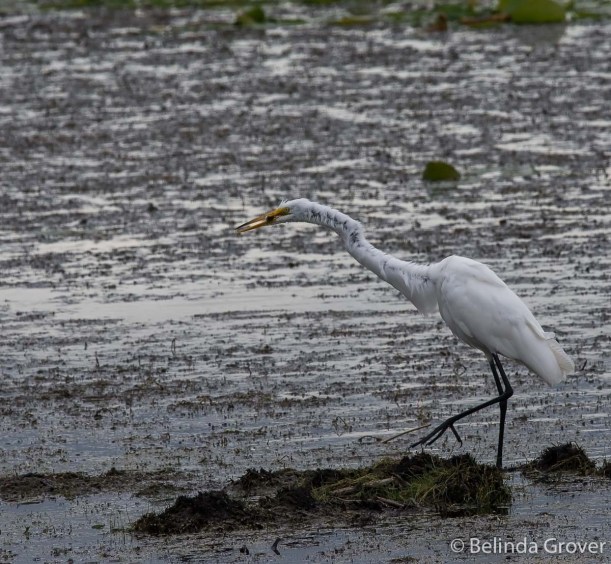
The river is shallow at this point and muddy. It’s also a favourite fishing spot for Egrets. This one had caught something, and cleaned up after eating .😊
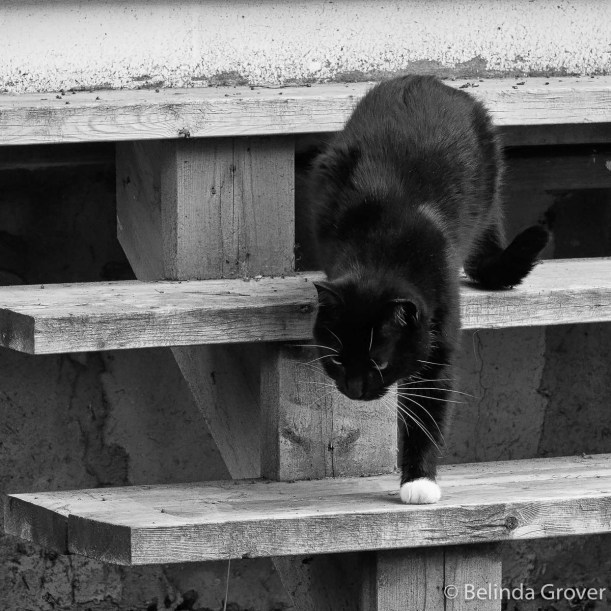
I couldn’t see what had caught the cat’s attention but watched as it slowly moved towards whatever it was. It did remind me of a “big cat” stalking its prey.
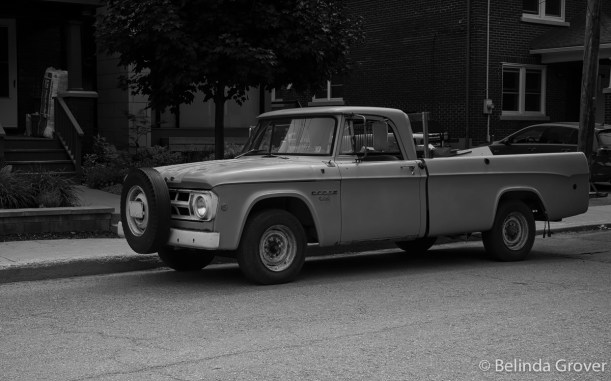
The Dodge 200 (circa 1960) was parked outside a house undergoing renovation. The truck was full of lumber for the work underway. You never know what you’ll see when out on a walk. 😊
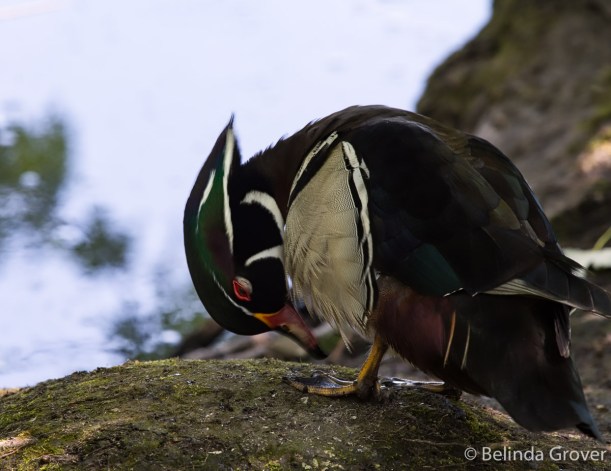
I had not expected to see the wood duck on the path. I took this with a long lens and clipped a bit of its wing but enjoyed the bird’s relaxed pose.

The duck doesn’t seem to mind winter at all.
This is a slightly re-edited version of a photo I’ve featured before.
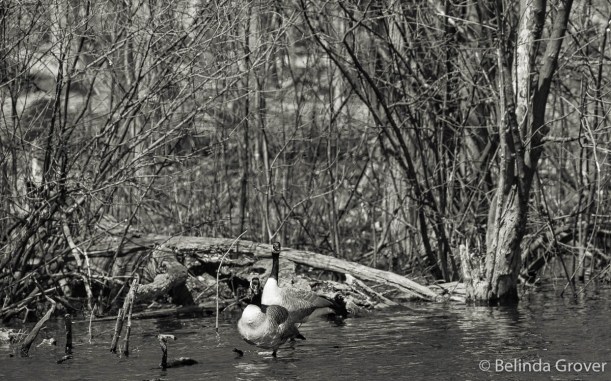
Like many of us right now.😏
 BELINDA GROVER PHOTOGRAPHY