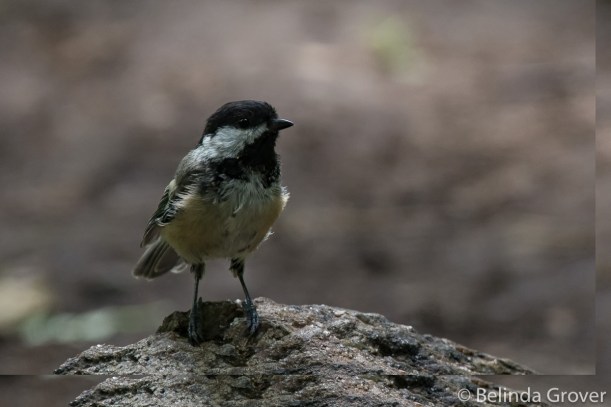
I always enjoy seeing a chickadee. It was a windy August day and the bird seemed to have a tenuous grip on the edge of the rock. It appeared to be molting too.
We began to see cabbage white butterflies in April and we continue to see them. I think we’ve now seen several generations of this butterfly and they are by far the most numerous around here this year.
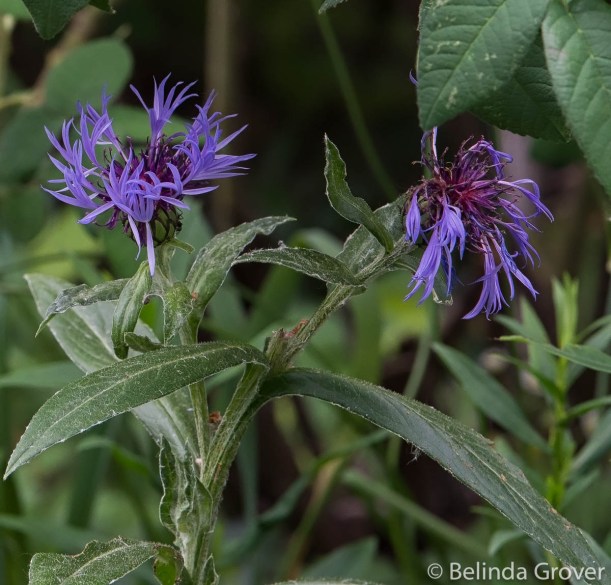
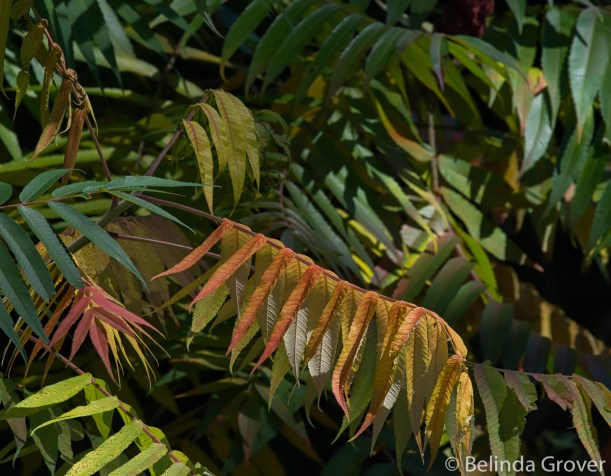
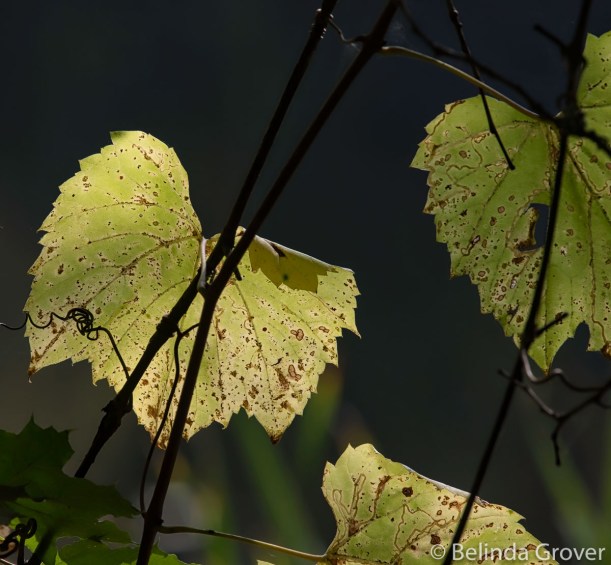
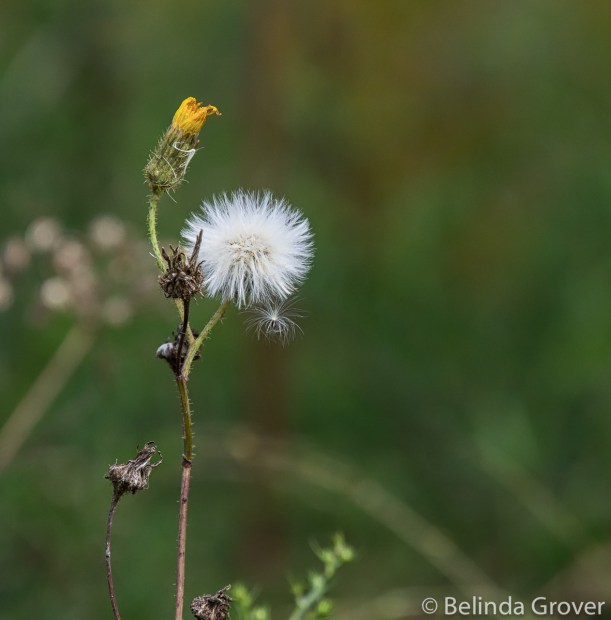
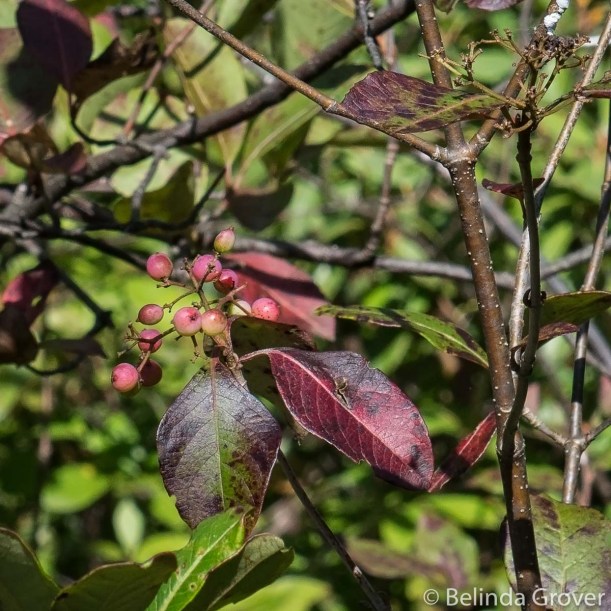
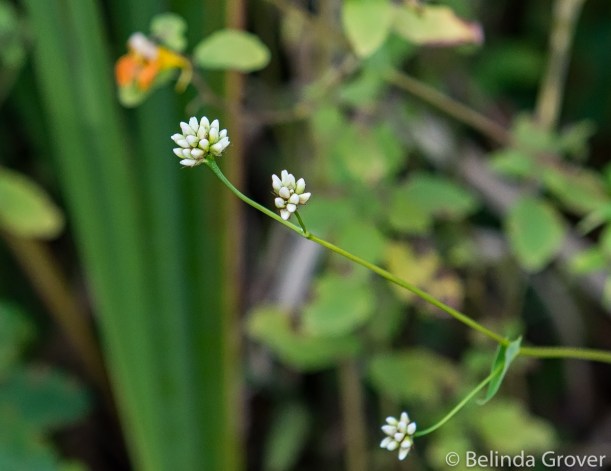
There are still flowers about but on some recent walks, the gardens are looking more like this.As for the trees they have begun to show off their fall colours.
Japanese beetles are a form of scarab beetle and were introduced to North America in the early 1900’s. They have beautiful colouring but are highly destructive to plants and crops. This one was balancing on some Queen Anne’s Lace.
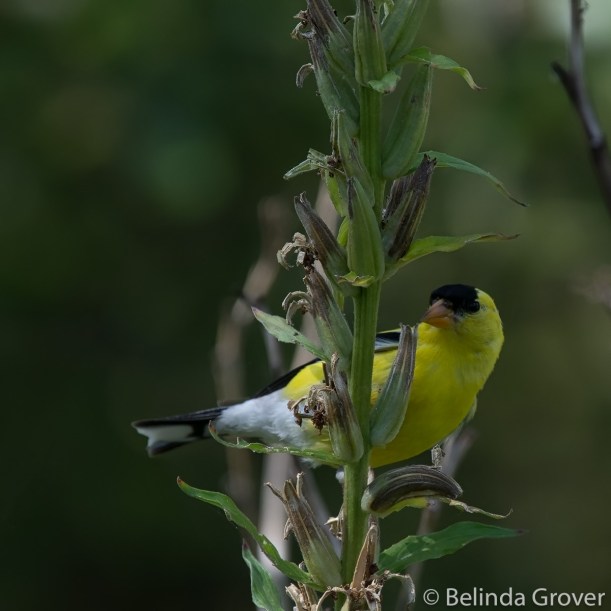
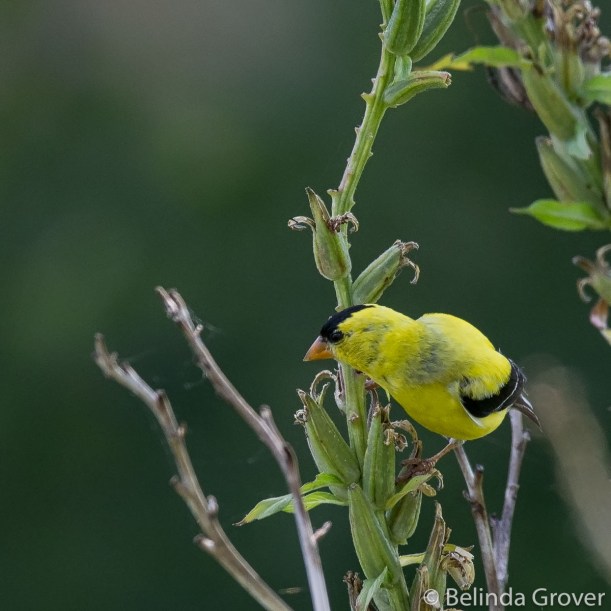
We tend to see more goldfinch in the late summer and early fall as flowers dry and form seed heads, their food of choice. This male looks like he’s beginning to moult.
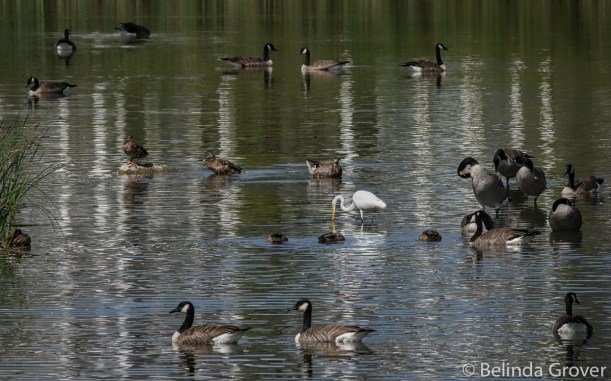
On a recent drive heading to a new birding area, we stopped when we saw this pond close to a suburban development. The water was teeming with several egrets, cormorants and a lot of other water birds.We never did make it to our original destination.
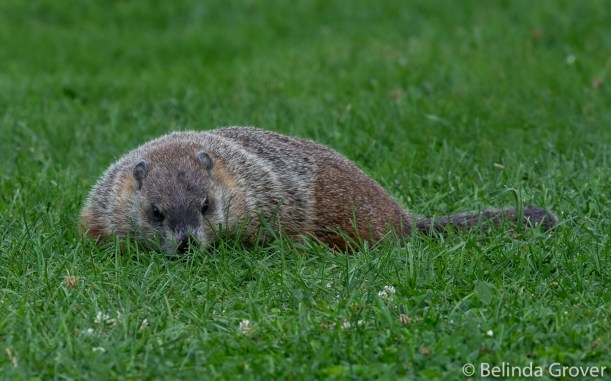
I’m always surprised at how hefty groundhogs look as their diet consists mainly of grass and the contents of people’svegetable gardens😏. They hibernate from late fall through the winter so right now they’re working on their fat reserves.
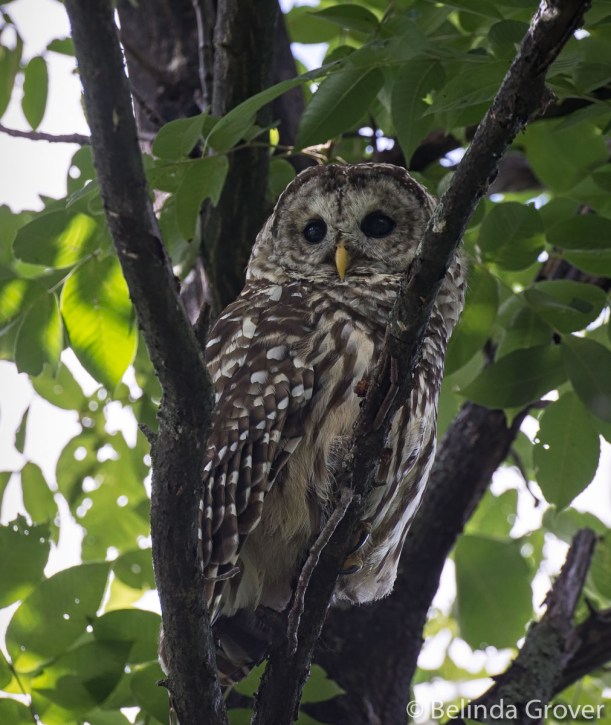
People we met on the trail pointed us in the general direction of this barred owl. Unlike other owls who often keep close to the trunk or inside a tree cavity, barred owls often are quite easy to spot if you know where to look. This owl was my first of the year.
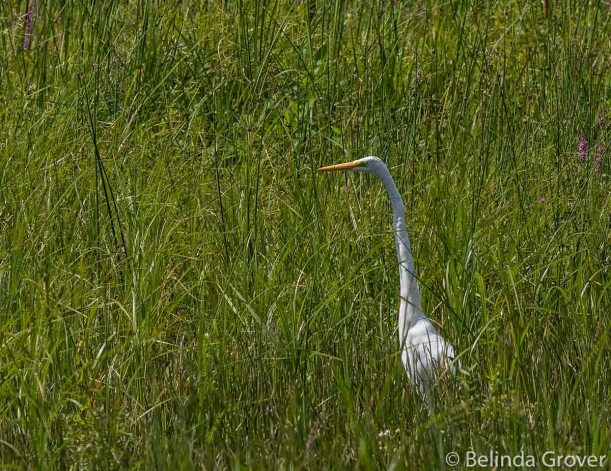
As we followed the path down to the beach we saw an egret standing in the long grass. After a while it turned towards the river and we left it to its wandering.