
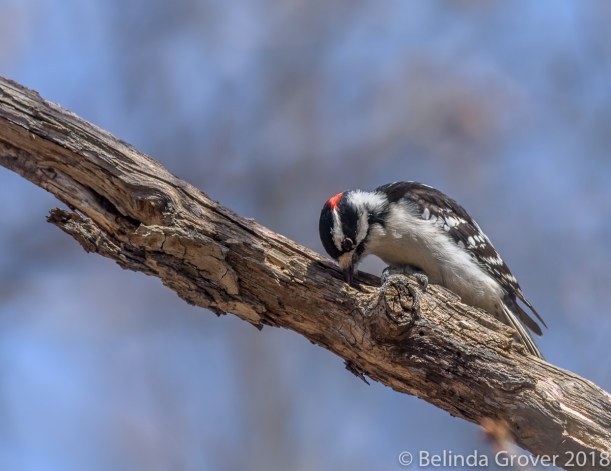
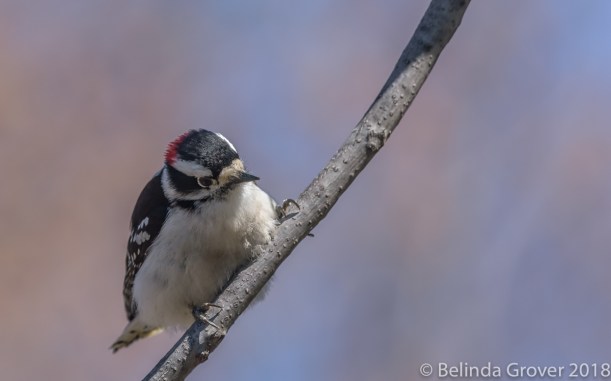
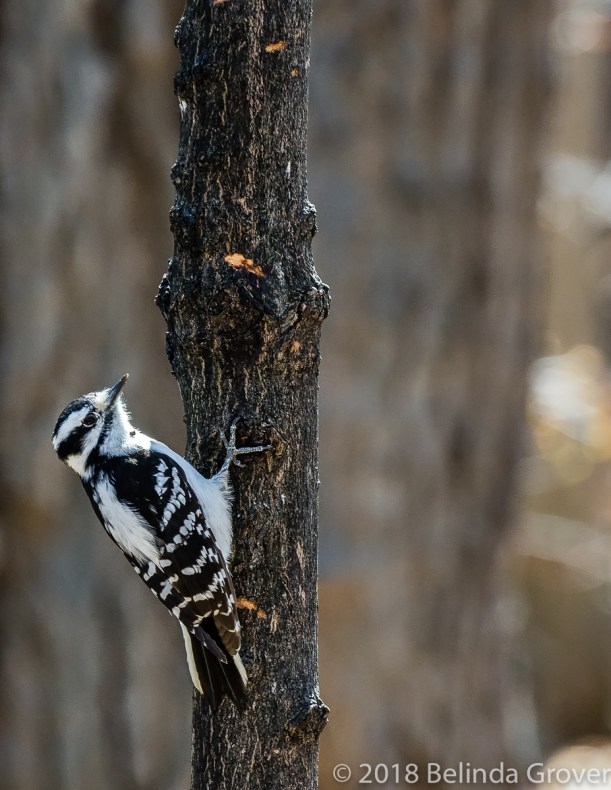
Spring is a busy time for downy woodpeckers. Food is becoming more plentiful as it warms up and more insects appear. I took the photos of this male downy with a 300 mm lens, the bird was very close by. Of the many photos I took, these were the only two where I managed to capture the entire length of the bird.
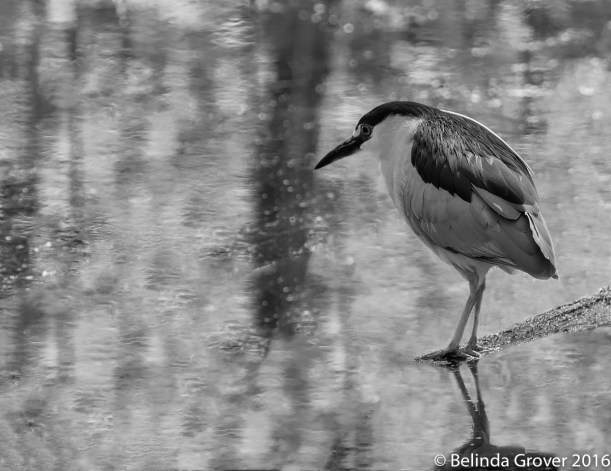 I have featured this photo before in colour but thought it would lend itself nicely to black and white. That and the fact that it’s too early for photo opportunities like this. We had a snowfall yesterday, a little early for April Fools’ Day and for the return of the herons.
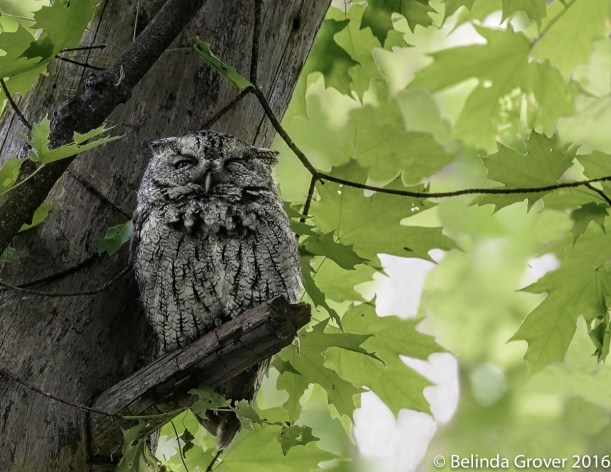 At the reserve we go to most often, we’ve seen barred, great horned and eastern screech owls. We see eastern screech owls most often. We usually hear of their presence from other photographers and then we go in search of them. Given their terrific camouflage, I’m always amazed when we do spot one.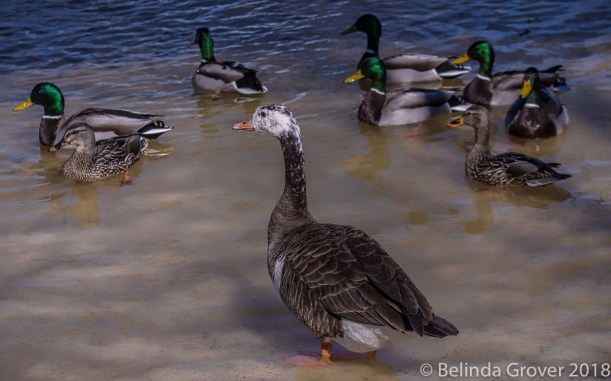
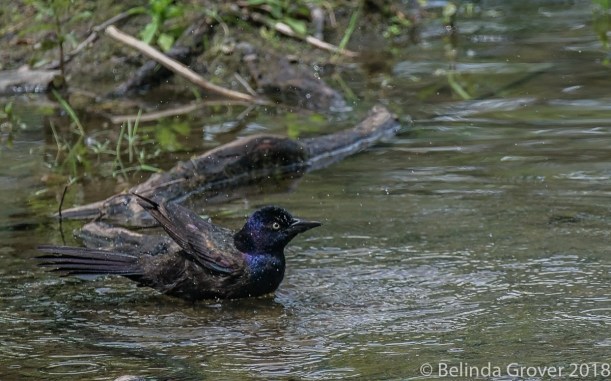 This grackle was enjoying the fine weather and a solitary bath in the lake. Although a common bird, I think their good looks and intelligence raise them above the ordinary.
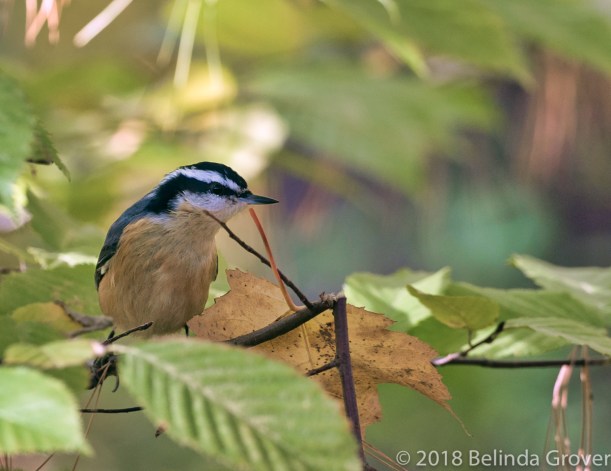
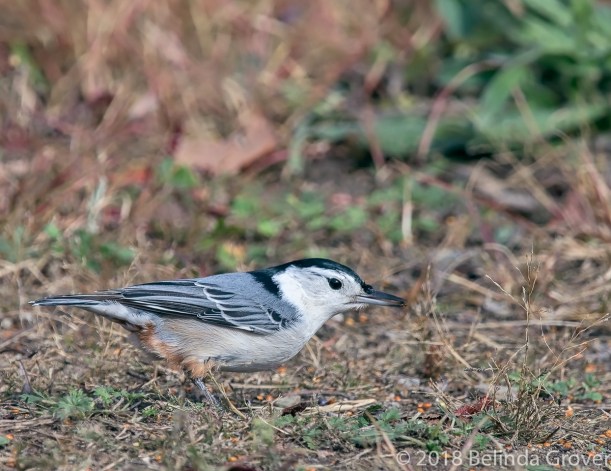
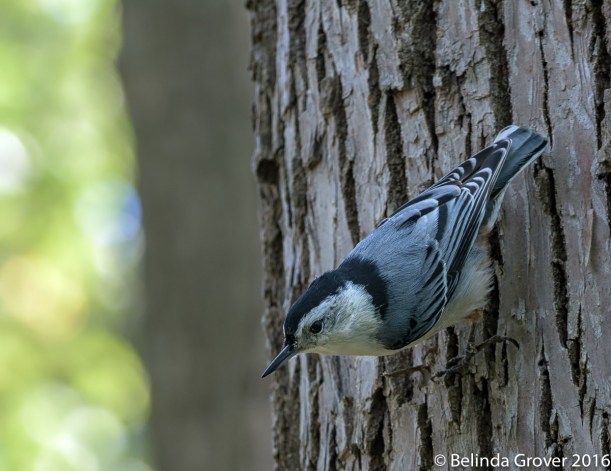 I like to hear the nuthatch’s nasal call, often alerting me to its presence in the woods. As they move along the tree trunks and branches so quickly, it’s often hit or miss to capture one in focus. Oh, but when you do😊.
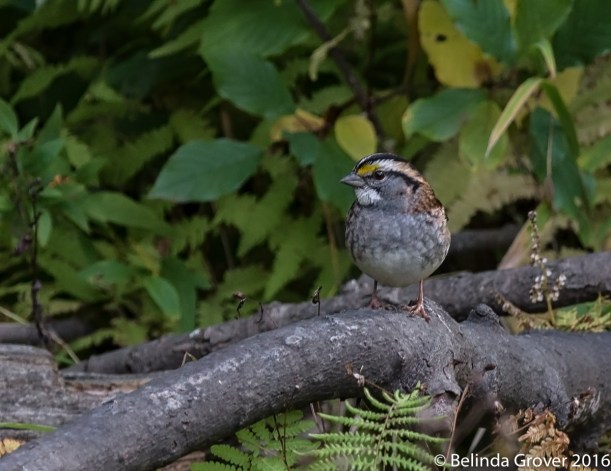 The white-throated sparrow is a common visitor to backyard feeders but having neither a backyard or a feeder I spotted this bird in the woods. I usually see a few in season but no more than that. This little bird perched himself on a fallen tree and remained there long enough for me to take his photo.
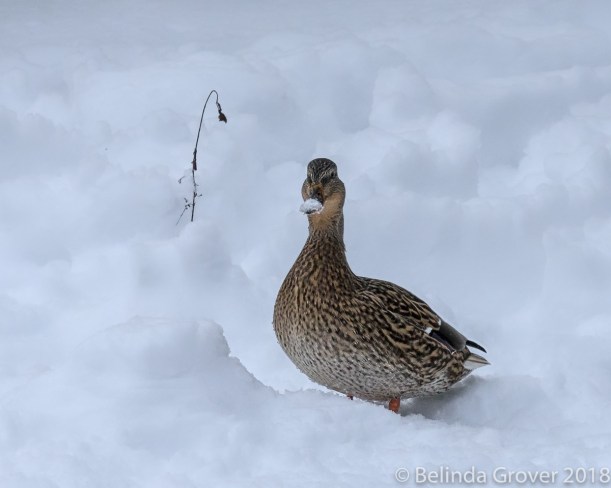
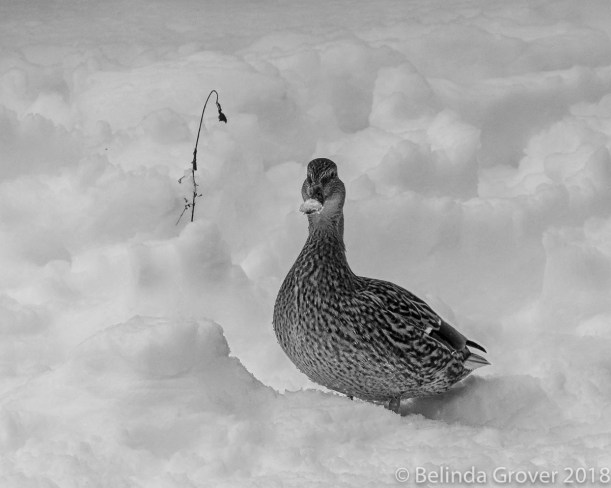
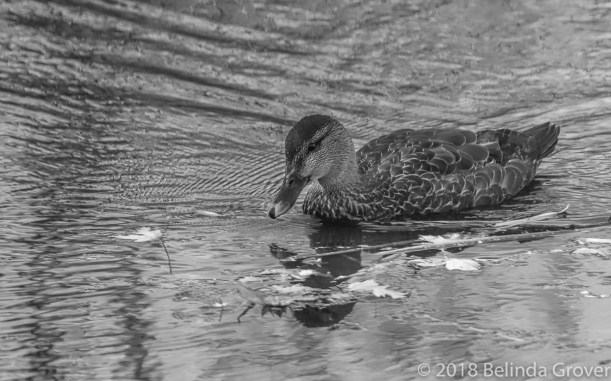
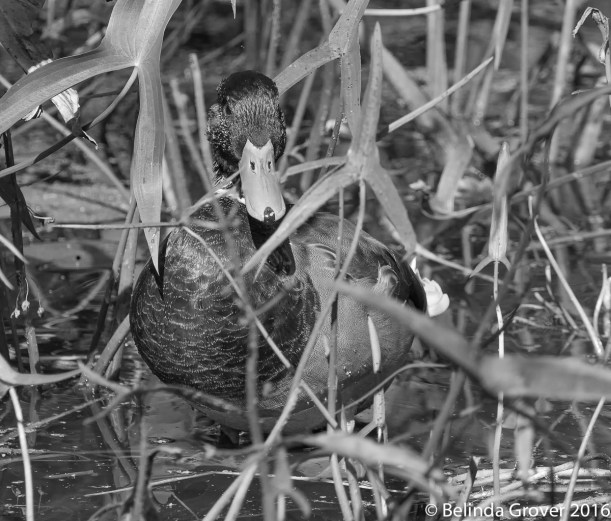 I featured a version of this photo several years ago. When I look back at some of my older photographs, I see what I might try differently. I converted the photo to black and white, reduced the clarity and saturation and removed a bit of vegetation that overlapped the mallard’s bill. I think it makes for a better photograph. My style and skill have developed over the years and it’s nice to see the progression. Of course when you have a subject like this you can’t go too far wrong 😊.
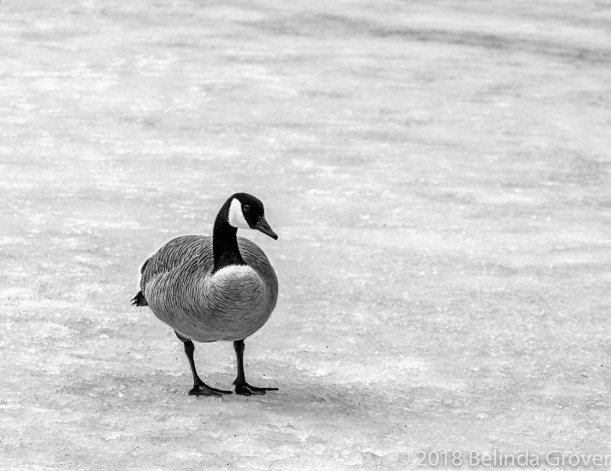
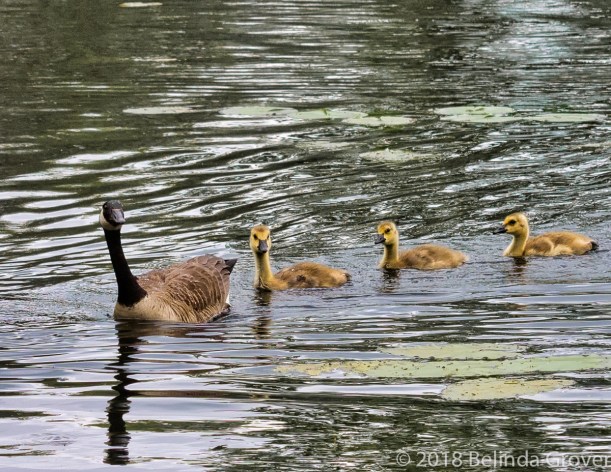
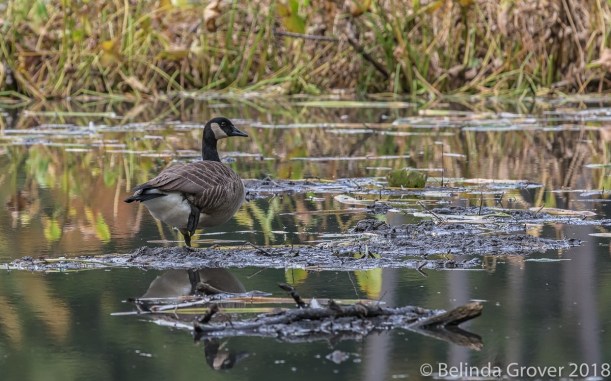 No one is indifferent to Canada Geese. Noisy, messy and gregarious; I like them best in photos like these, looking kind of smart. Fall reflections are a definite asset too.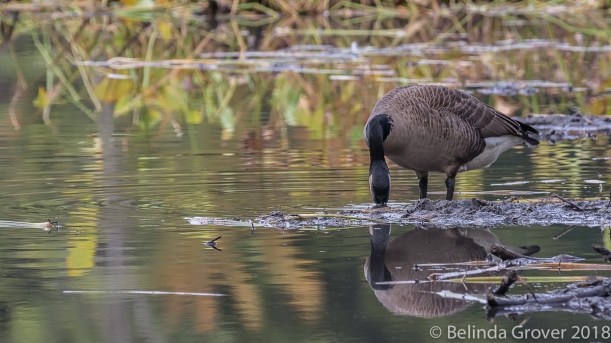
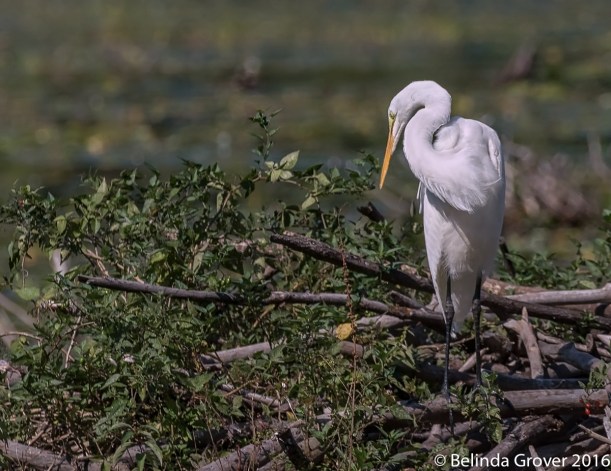 It’s unusual to see an egret perched on a beaver lodge, normally we see them wading in the water or fishing. The bird stood there for quite a while and I managed to get him in several poses, the first of which is shown here. Most summers we see several egrets and herons in this one location, not last year. The lake was very high which must have made for challenging conditions. They likely found some easier spots to fish.
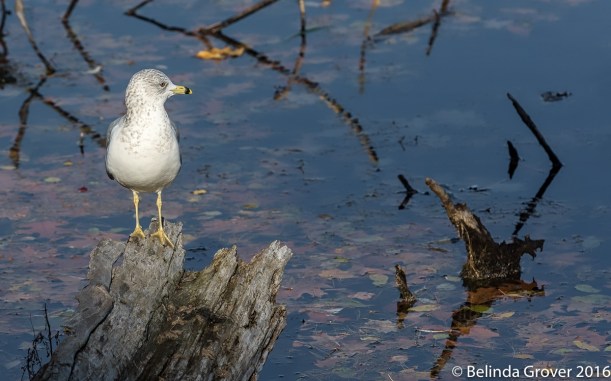 The Ring-billed gull is the most common gull in North America and like many birds migrates south in the winter. I took this photograph in November. It was nice to see the bird in a natural setting as they often congregate in city parking lots. It perched on the log for quite a while where I could appreciate its good looks, something I had never really noticed before.
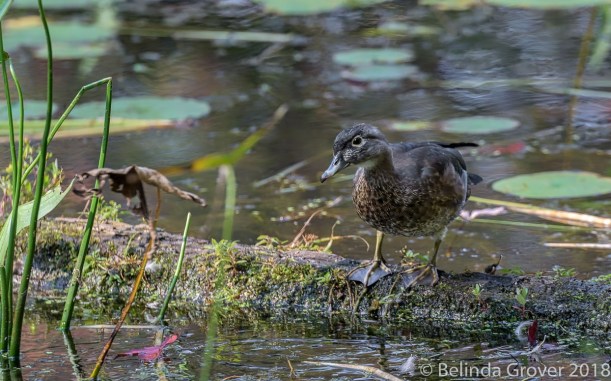


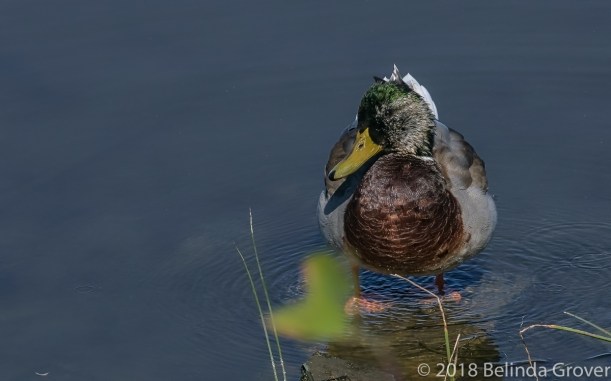
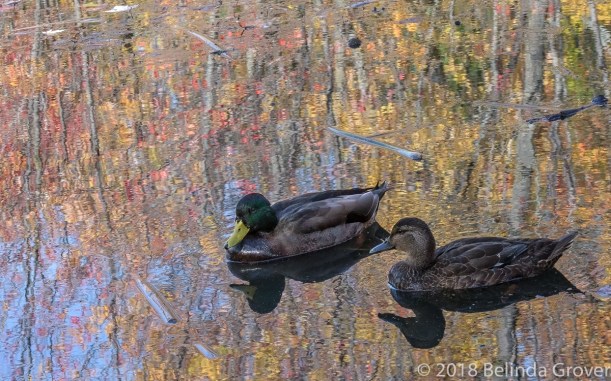
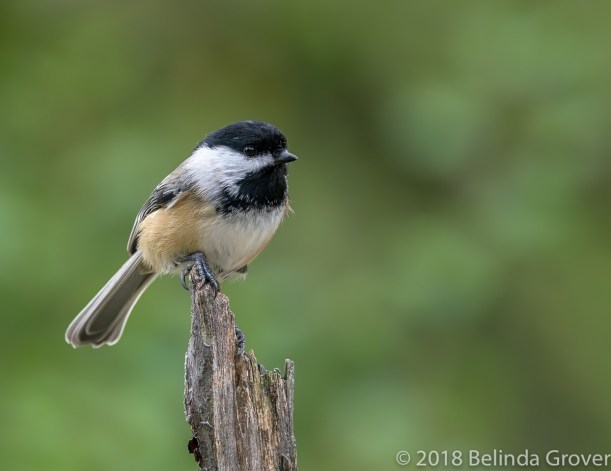
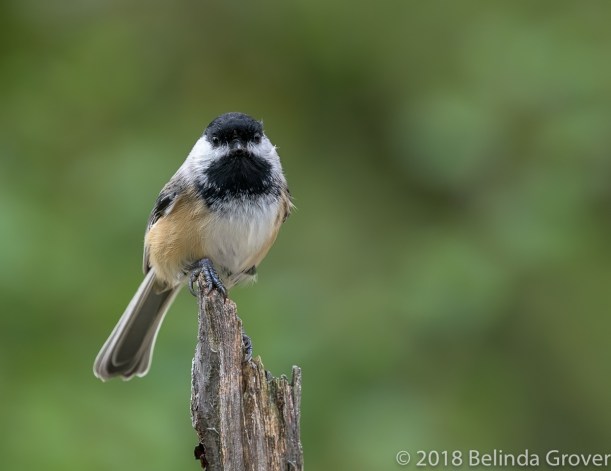

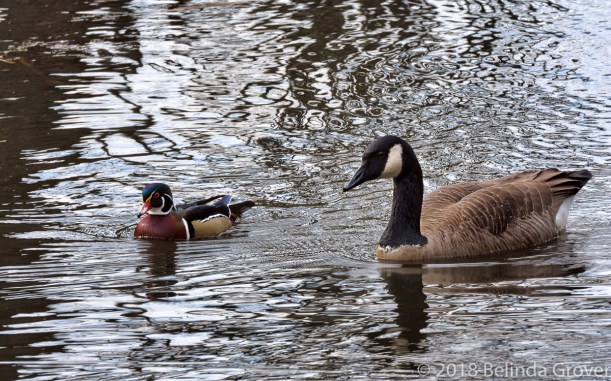

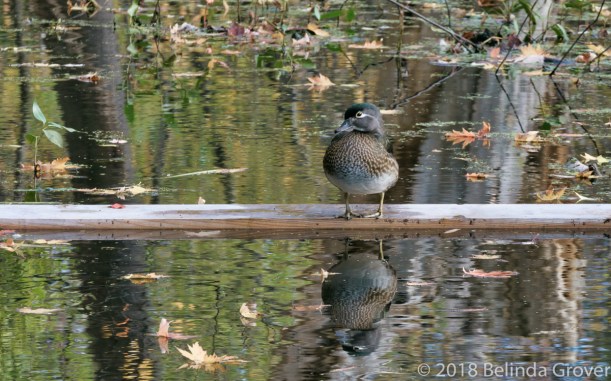
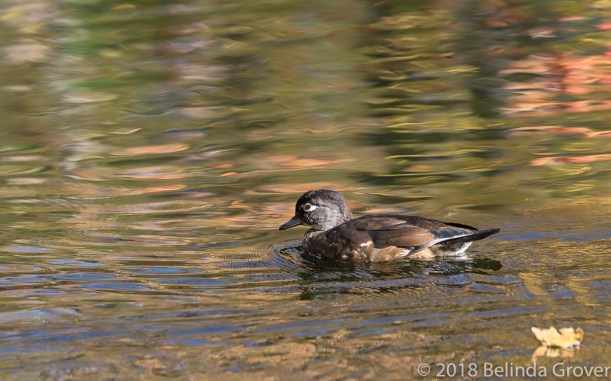
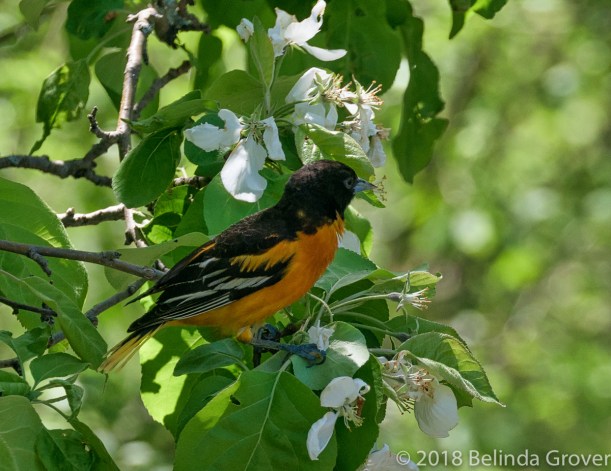
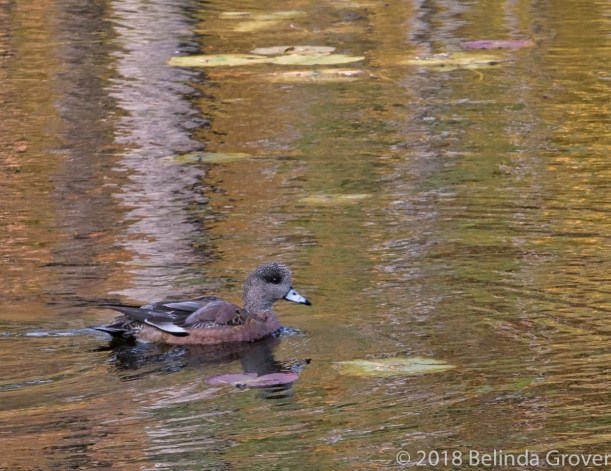
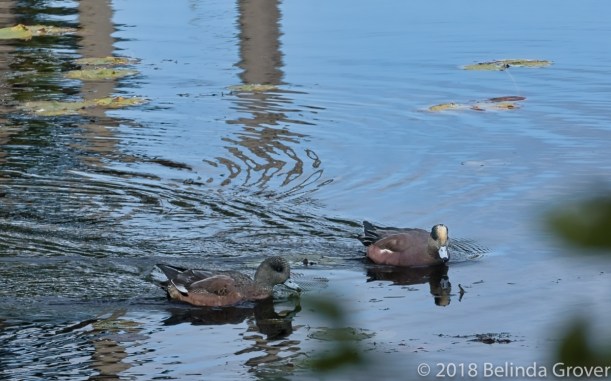
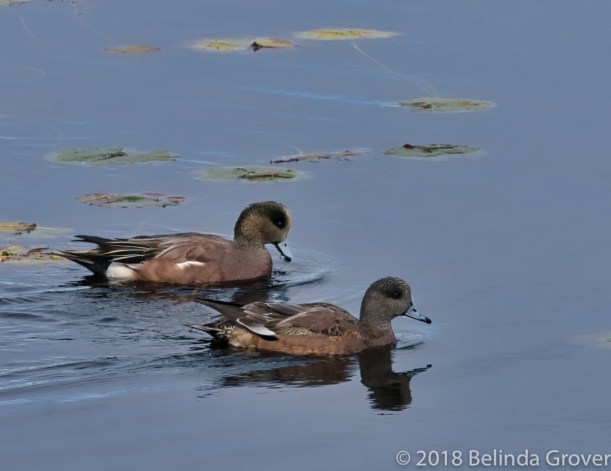
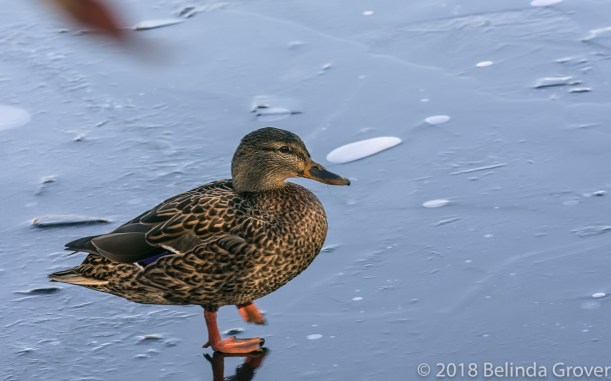
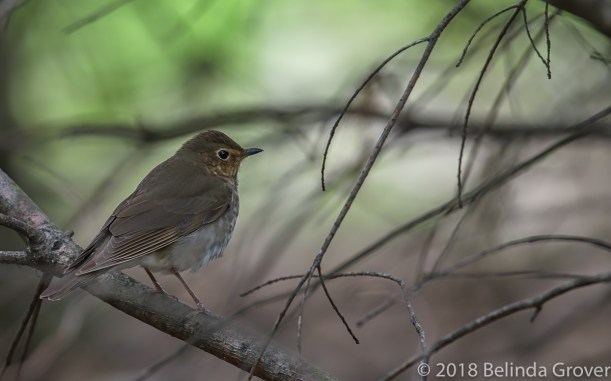
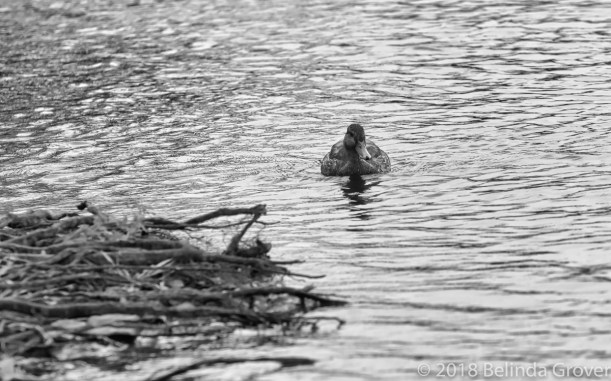
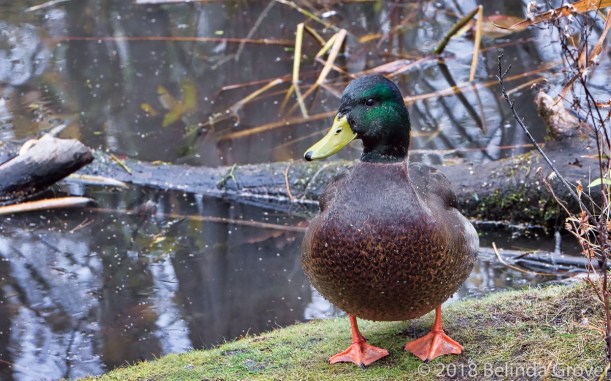
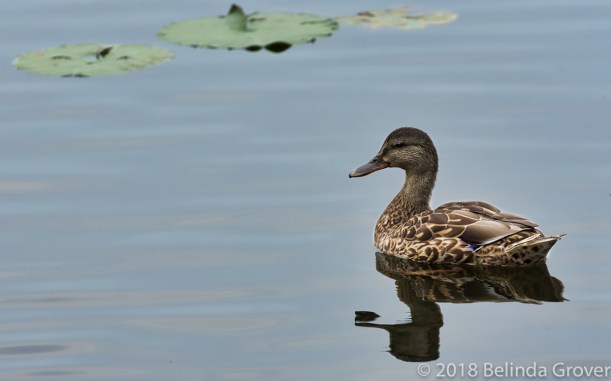
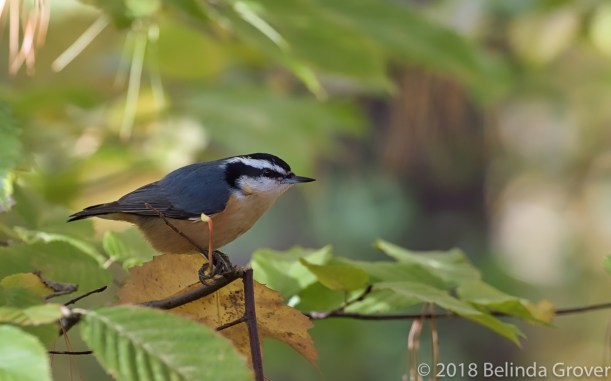
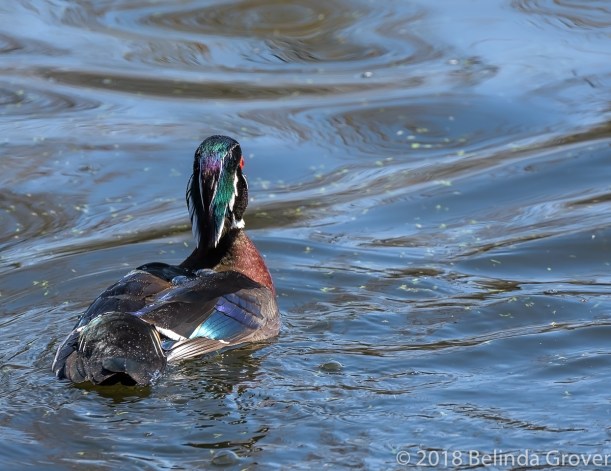
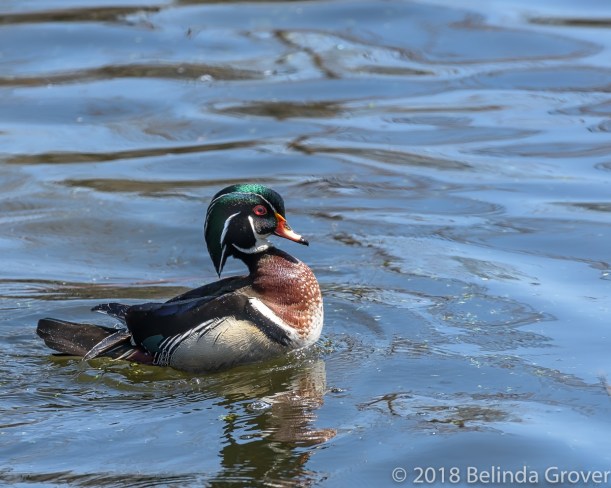
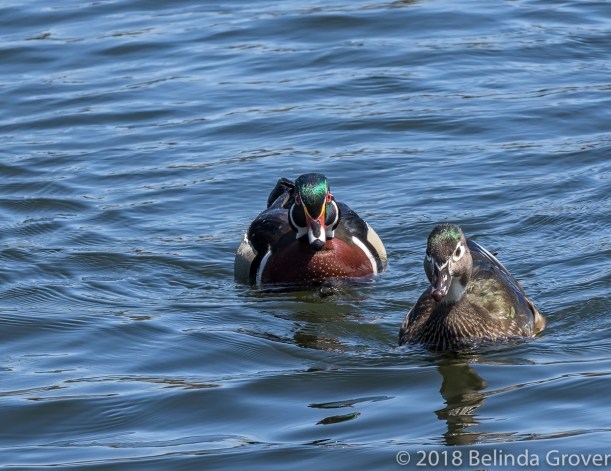 This wood duck pair was enjoying a quiet swim around the lake. The photo was taken in May when both were in full breeding colours, no young yet for these two. Parenthood was still a few weeks away.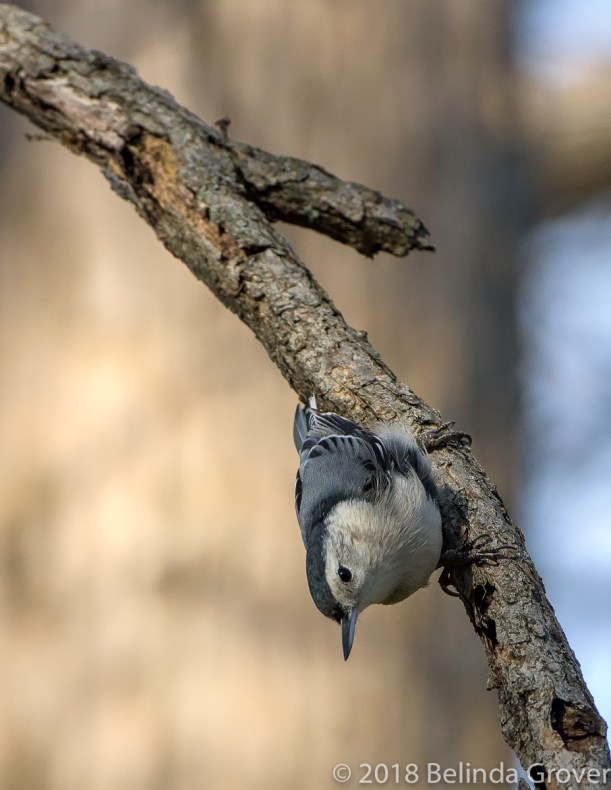
 BELINDA GROVER PHOTOGRAPHY