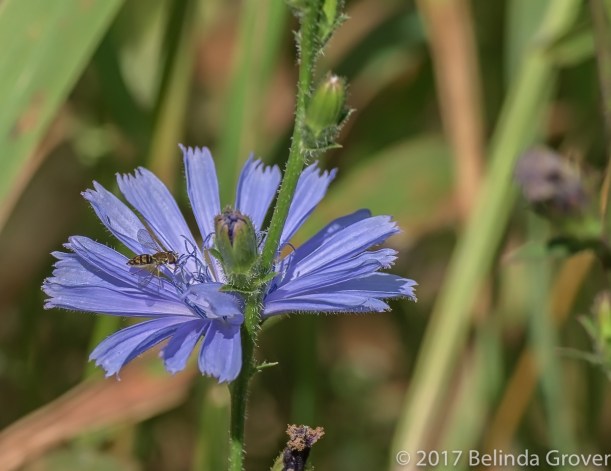
The birds are keeping themselves scarce right now but there is no shortage of insects or flowers to photograph. I look forward to when the chicory puts in an appearance, almost as much as this hover fly.

The birds are keeping themselves scarce right now but there is no shortage of insects or flowers to photograph. I look forward to when the chicory puts in an appearance, almost as much as this hover fly.
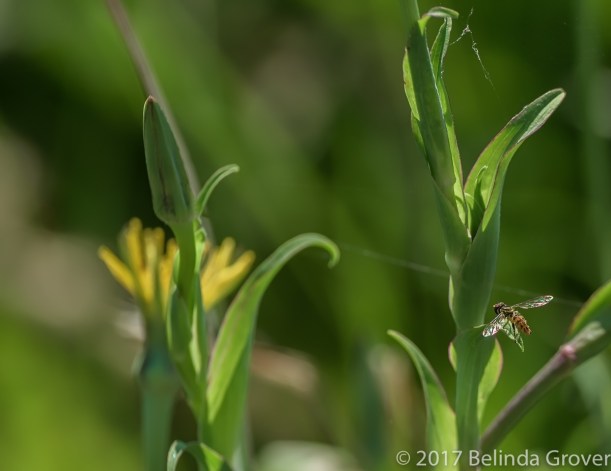
This hover fly flew into the frame just as I was composing my photograph, a nice addition to the shot. On these brilliant summer days I enjoy walking along the meadows’ edges with the the riot of colour and buzzing of insects laid out for the taking.
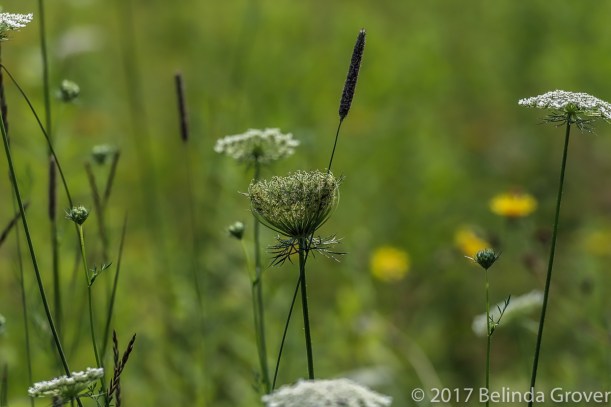

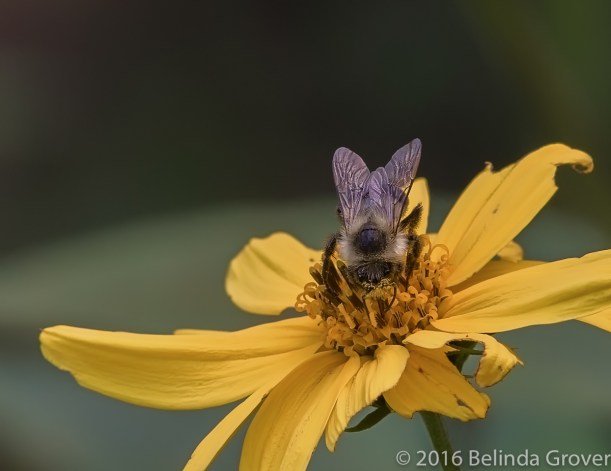
This little bee was a cooperative subject as he took his time gathering pollen. There weren’t many other bees around so he had his pick of the sunflowers. Summer time and the living is easy.
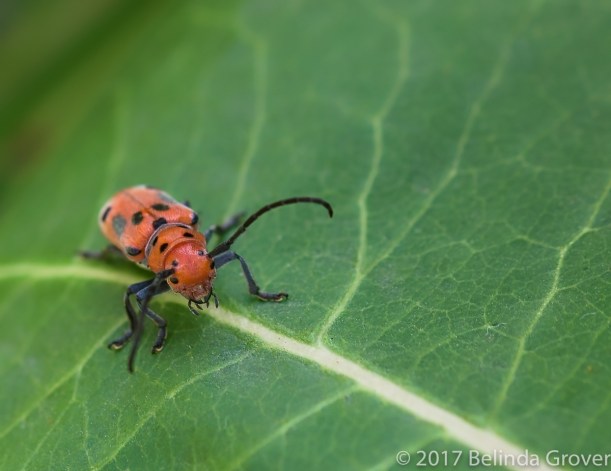
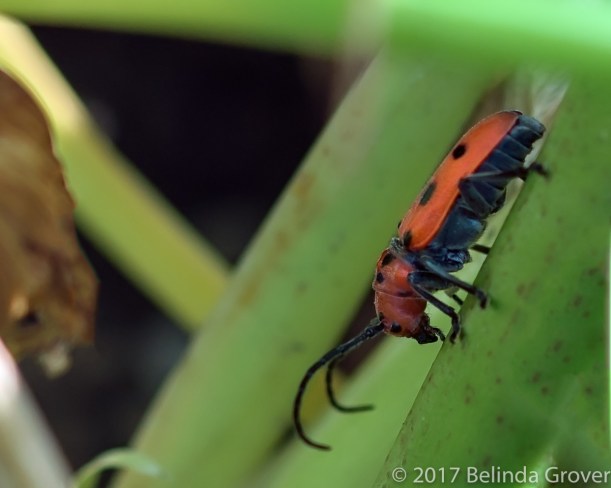
I rarely carry more than the lens on my camera when I set out to do some photography, so I pretty much have an idea of what I’d like to photograph. On this particular day I had my 105mm and was looking for flower and insect subjects. I wasn’t disappointed by these red milkweed beetles.
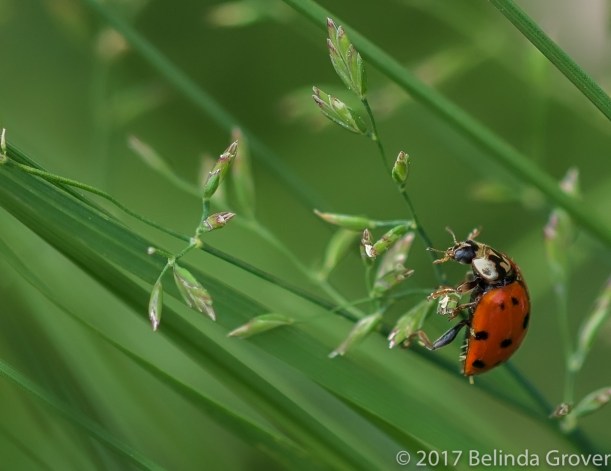
With all the greyness and rain we’ve had it would be easy to think that summer forgot to arrive this year. So when the sun does shine everyone comes out to enjoy it. I spotted these ladybugs while on a walk in my neighbourhood. We don’t see too many insects in the city centre so I was feeling pretty lucky that afternoon.
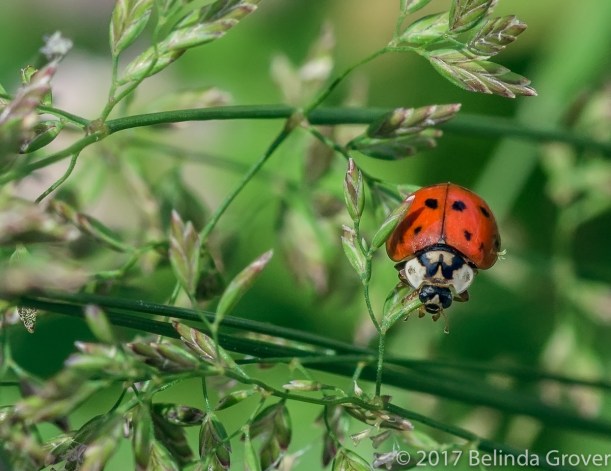
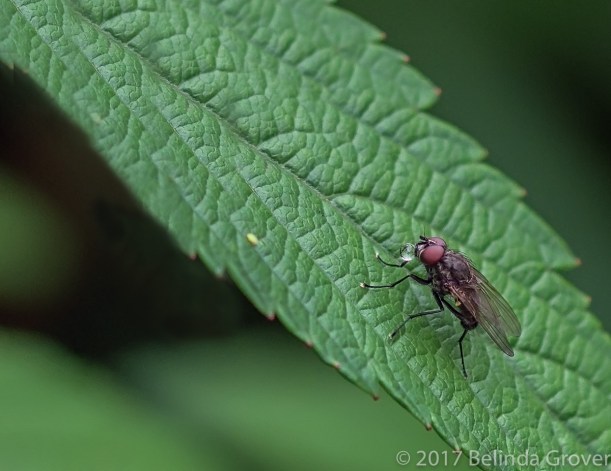
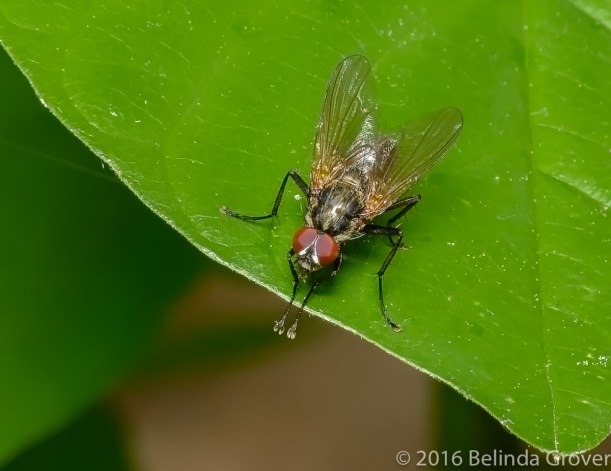
I haven’t had as much time as I’d like to get out with my camera and this will be the case for a while yet. The other day however, while out in the neighbourhood with a macro lens on my camera, I stopped beside a hedge and had a look around. I spotted some ladybugs (for a future post) and this little fly. When I got home and viewed the insect on my computer, I was delighted to see it was blowing a bubble. A perfect macro moment!
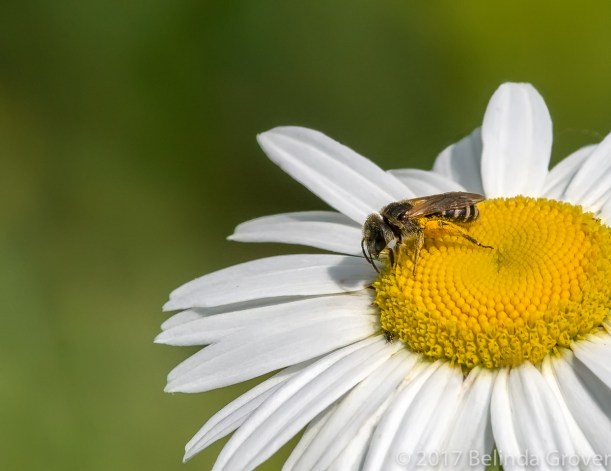
Although it’s still spring, the temperature has been in the low 30Cs the last few days. The birds and their offspring are scarce but the wildflowers and insects are everywhere you look at the reserve. My first bee and flower photograph of the season, always a cheerful combination!
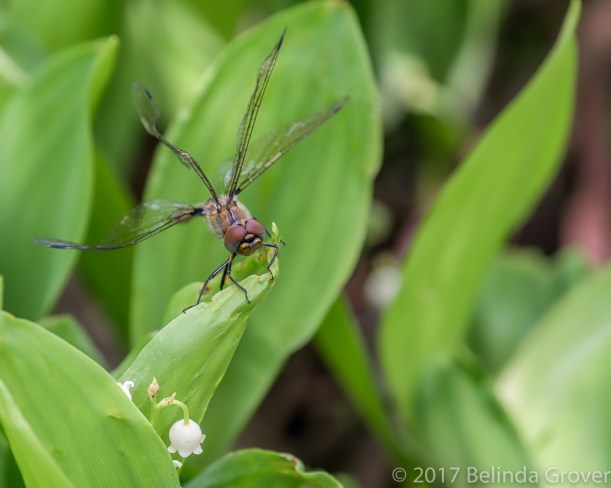
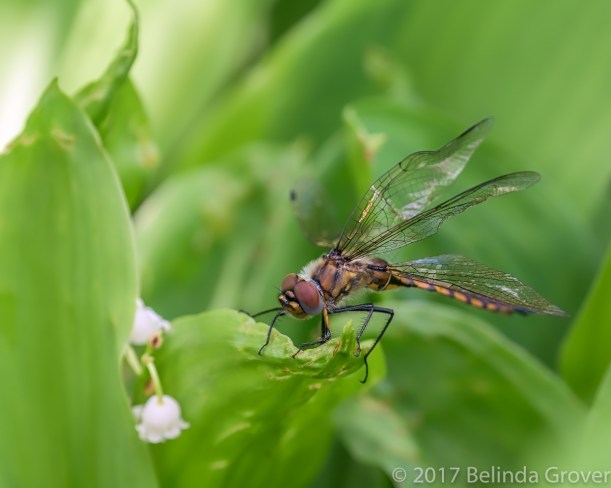
In the past week we’ve seen our first dragonflies of the season. Once these insects appear summer is truly on its way. Since I rarely carry more than one lens with me, and had set out to photograph birds that day, these were taken with my 300mm lens. I took plenty of shots, the dragonfly was in no hurry to fly off, and though some were discarded I had quite a few keepers. I look forward to the weeks that follow with more dragonfly varieties emerging as well as the appearance of damselflies.
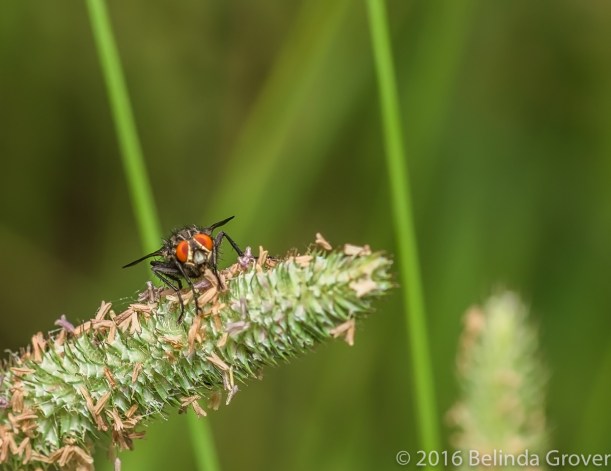
I don’t mind flies, as long as I don’t find one in the house or landing on my dinner plate! In the woods, however, all’s fair. I was hoping for a dragonfly to photograph but this fly landed on the reed instead, and didn’t move. There was no wind either which made taking this tiny insect much easier. He was attractive (for a fly), I liked the background so I took his portrait.
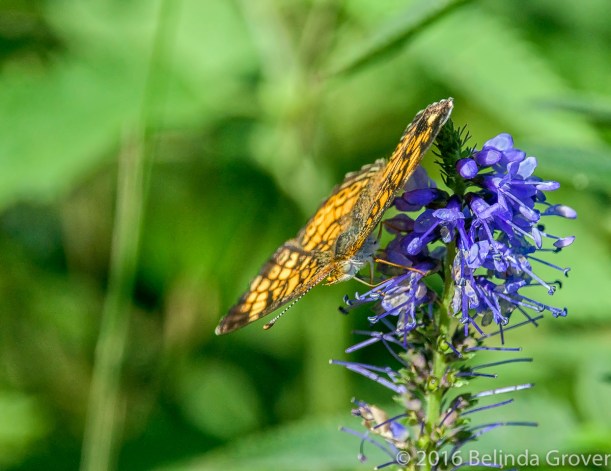
I thought the Pearl Crescent butterfly perched on the flower looked like a fascinator you might see at a cocktail party. The tilt of the butterfly, the position of its wings and the richness of its colouring created this illusion. Only its face and the flower are in focus, I would have needed a larger F stop to have got all of its wings in focus. But in this case I don’t think it mattered.

As I walked along the path I glanced to my side and saw this bald-faced hornet looking my way. I was struck by its bold colouring which made it stand out against the brown of the bark. This hornet is a member of the wasp family. They are known to attack if their nest is disturbed but generally aren’t a problem when away from their nests. They can be quite beneficial too as they eat flies and other insects. I was surprised that the fly in the picture did not try to fly way. The bald faced hornet has an impressive but rather sinister look. I took this photo at a distance of about five feet, a respectful distance given my subject.
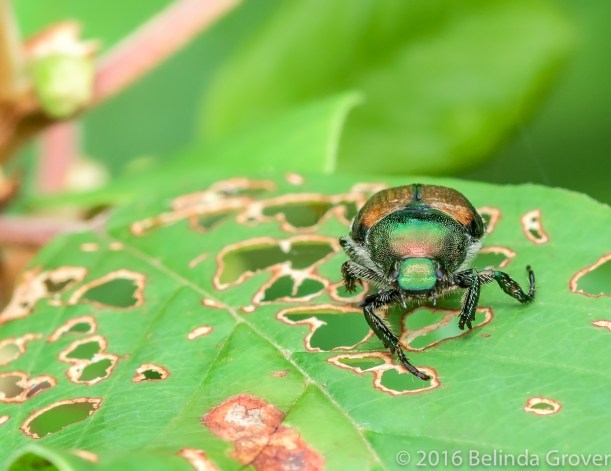
I was pleased to get as near as I did to this Japanese Beetle. I’m beginning to photograph insects at a closer distance so that I don’t have to crop as much and to get more detail. I took this with my 105mm lens with a flash to slow movement and a diffuser to soften the light. The beetles can be tricky to take in the bright sun as they reflect light. The diffuser helps tone down the highlights.
Japanese Beetles are very destructive insects, eating through many crops, plants and trees. But as subjects to photograph, their iridescent colouring is very attractive.
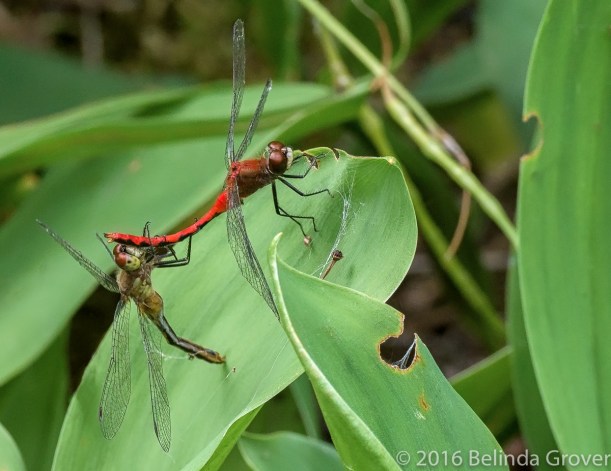
The breeding period is quite short for dragonflies and by mid-summer you are practically bumping into mating pairs. They don’t seem to mind and go about their business undisturbed. These meadowhawks caught my eye as they stood out so strikingly against the green of the leaves. As we near the end of winter, with the cold and snow still very much with us, the colour and life in these photographs make me restless for the spring to come.
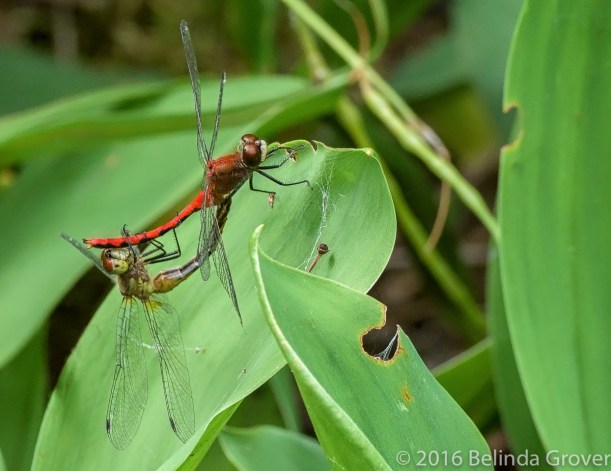
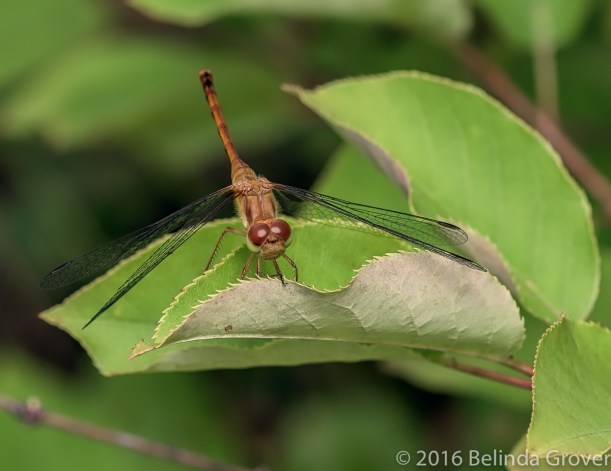
Dragonflies were the first insects I shot when I started photography and remain among my favourites. I took this Meadowhawk last July with my faithful 105mm lens. A nice thing to know about dragonflies is that most of the time they will return to their last perch. Even if they are startled they’ll usually come back to the same leaf/twig. I just set my lens on that spot and wait for them to return😉
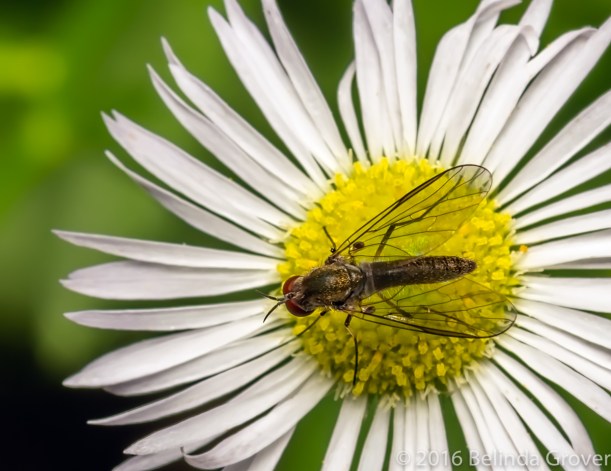
Two of my favourite subjects are insects and flowers and getting both in one shot was a bonus. I don’t usually like to take photographs at this angle, I prefer straight on shots. However, given the detail and colour in the fly I found the composition interesting. This was taken with my macro lens and flash, a wonderful combination for this kind of photography.

Like a lot of people this time of year, I’ve had enough of winter. It’s cold and snowy and I miss the sun. Looking through my files I came upon this fritillary I took in June. It was a reminder of a time last summer when the whole day stretched before me and I could enjoy the outdoors with camera in hand.
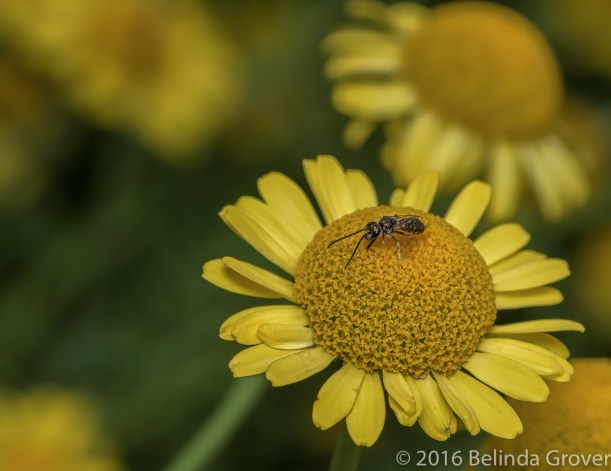
Today was a cold cloudy day with more snow in the forecast. Not being a fan of winter, I thought the perfect antidote would be a colourful summer scene. I took this shot of a metallic bee with my 105mm lens and flash. Although pleased with the result, I stood a bit too far back so I had to crop more than I would have liked. (I am new to macro photography and still getting comfortable with insects.) When the warm weather returns there will be plenty of opportunities to try shots like this again from a closer perspective. It’ll be fun to compare the results.
Happy New Year All!
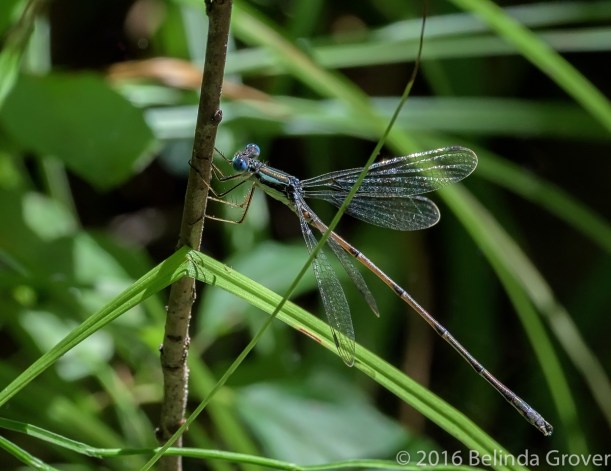
Spreadwings’ larger size distinguishes them from other damselflies; they aren’t as common either and seem to have a shorter lifecycle. While the smaller damselflies begin to appear in May, the spreadwings appear later in the season. I took the first photograph in mid summer, the second in September as the landscape began to take on a a fall feel. As with most things, we tend to prize the less common, but in this case I believe it’s because time is limited for capturing these lovely insects.

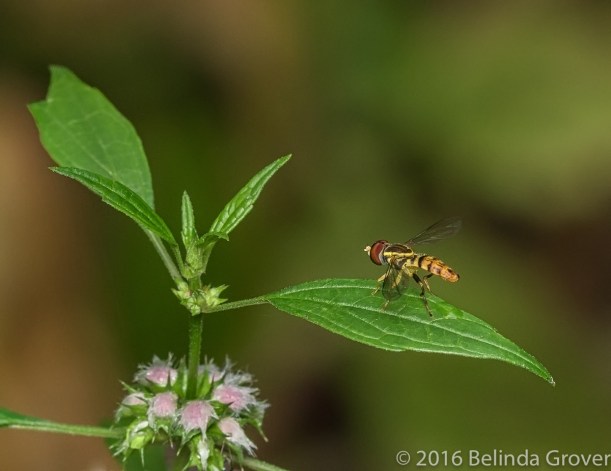
This little fly made me think of “Droopy”, the classic cartoon character created by Tex Avery. He was an endearing character that the hover fly reminds me of. The insect is tiny and the leaf it’s resting on gives an idea of scale. The photo was taken with my 105mm lens and flash but I should have moved closer to the fly to get even more detail. I liked the composition though and I believe this photo is as much about the flower as the insect. Next year once spring arrives, I am determined to get closer to my winged subjects as often you only get one chance at a shot.
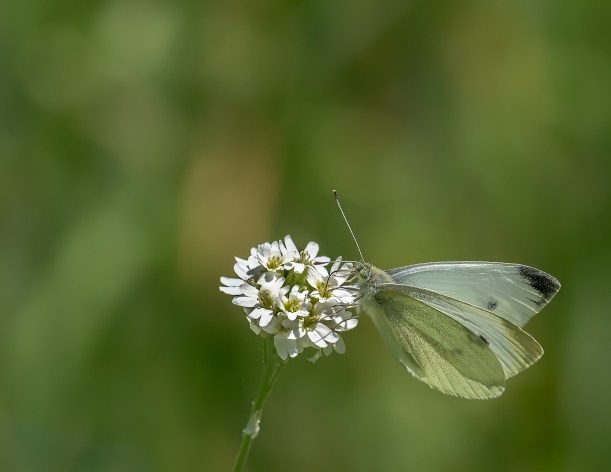
This butterfly is another example of how something common is still quite appealing. It might not have the brilliant display of other butterflies but it has a delicate beauty that makes it stand out. It’s widespread in our area and I’ve seen it as early as May and well into August. It’s a good insect to photograph because it tends to perch a little longer than others, giving plenty of opportunity to take your shots. They’re also a nice addition to any flower!
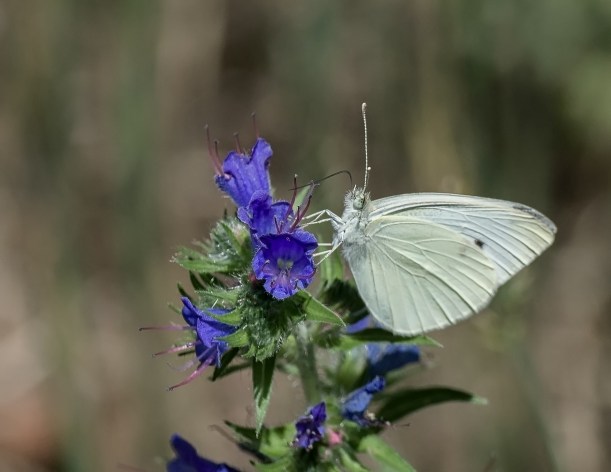
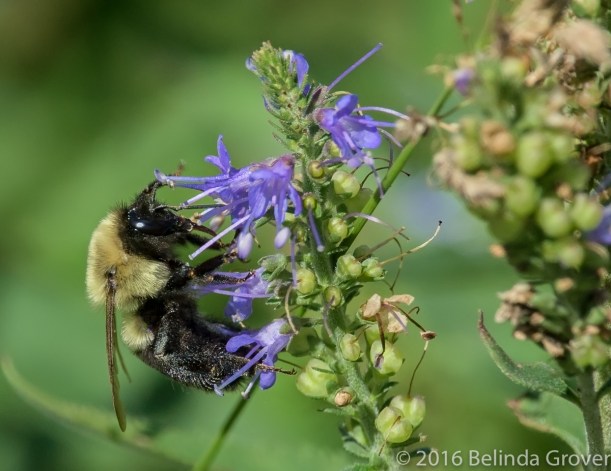
These photos were taken late in the summer when the bees were really stepping up production. They were everywhere you looked and though I had set out to take some bird photographs, I tend to try for whatever is at hand. The light was perfect that morning, and when I saw the bee against the flower. I took some shots. Taken with my 300mm lens and teleconverter, a bit of a challenge at such close range. I was able to get more insect photos well into September because the early fall was nice and mild.
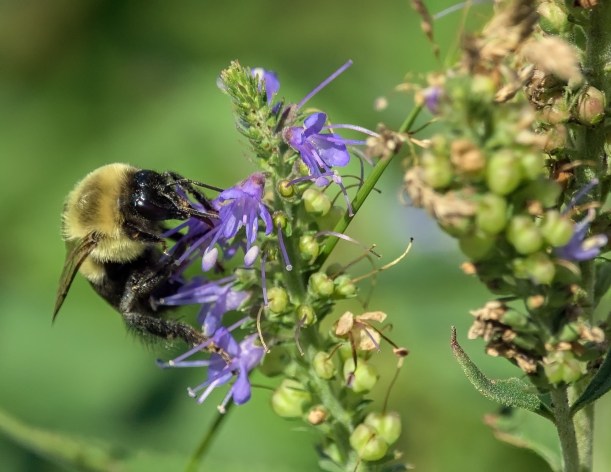
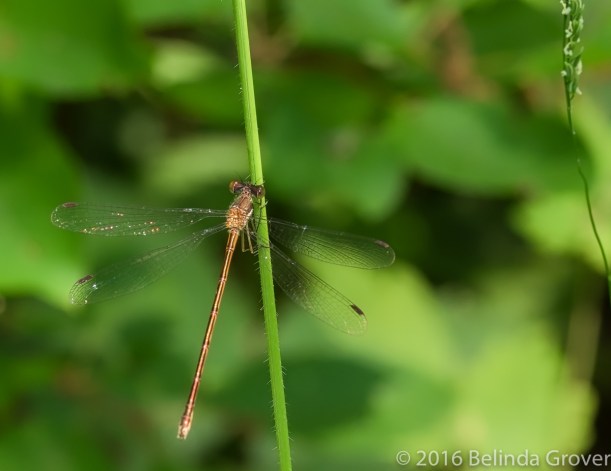
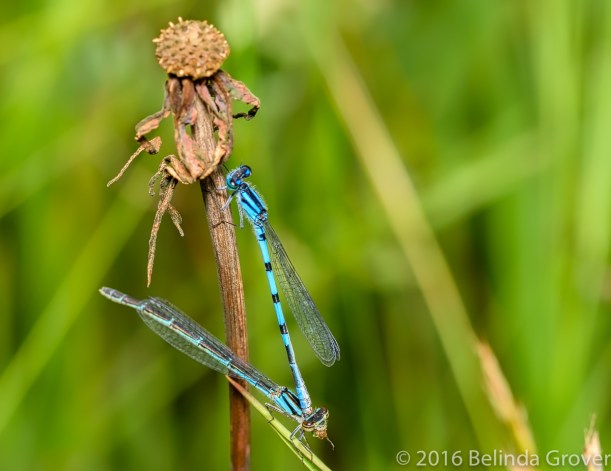
Damselflies are at their height in July but we have seen them earlier in the season and often well into August. These insects seem to symbolize summer and remind me of the warm sunny day when I took these photographs. I believe the damselfly in the first shot is a spreadwing, not as common as the bluets in the second photo. I think one of the bluets is having a snack, a bit distracted from the business at hand.

Another grey rainy day. It calls for some colour, so I thought I’d post some butterflies. A bit of summer therapy! Skippers have a short season here but when they make their appearance they’re everywhere. The three on a blade of grass were a perfect example of leading lines, they couldn’t have been more cooperative!

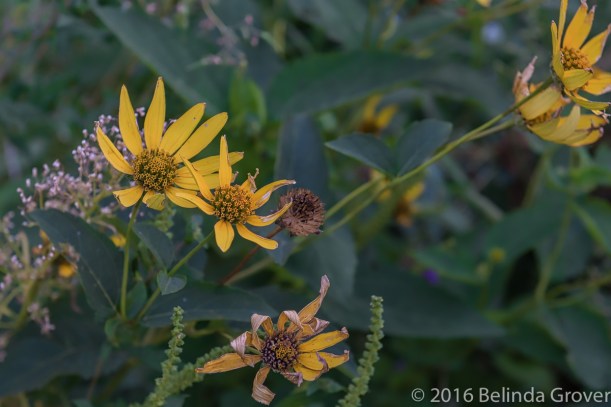
I took these photographs of wild flowers in mid-September. Although they were beginning to fade they were still beautiful. The flowers were growing in a garden bed on municipal land in the downtown core. They caught my eye not only for their beauty but because they were the same variety of wild flowers you’d see growing along a country road. Although planted with some thought for colour and form they replicated what you’d see in nature. When I got closer, I was also pleased to see that they attracted bees and other insects just like their country cousins.
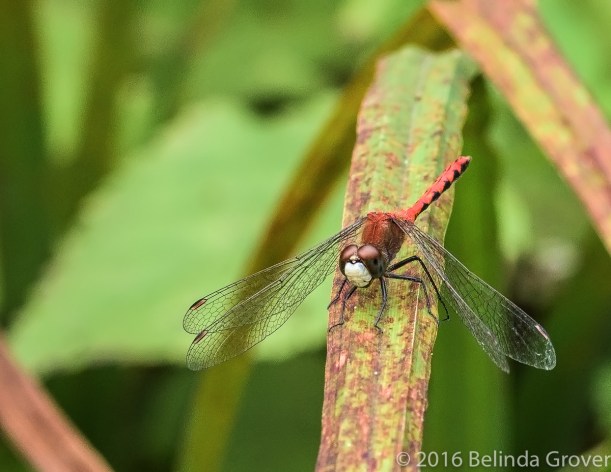
In going through my catalogues of photos to decide on today’s post, I came across these photographs that I took in July. The air was thick with all kinds of dragonflies and damselflies then. Now in October, when the sun is at its warmest, there is still the odd one to be seen. The tail end of the season is always bittersweet but looking at these photos goes no small way in bringing back the pleasure and the warmth of the summer that has just ended.
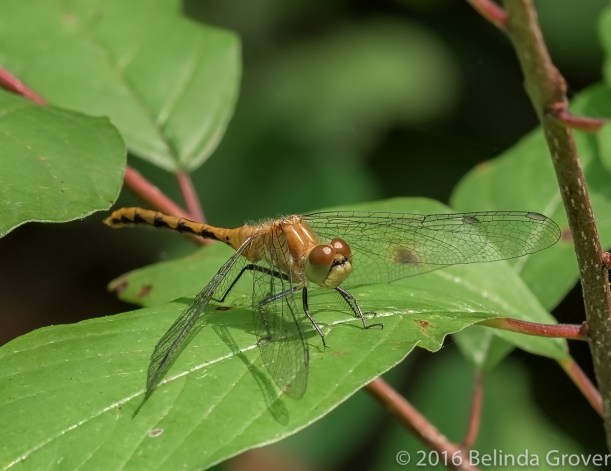
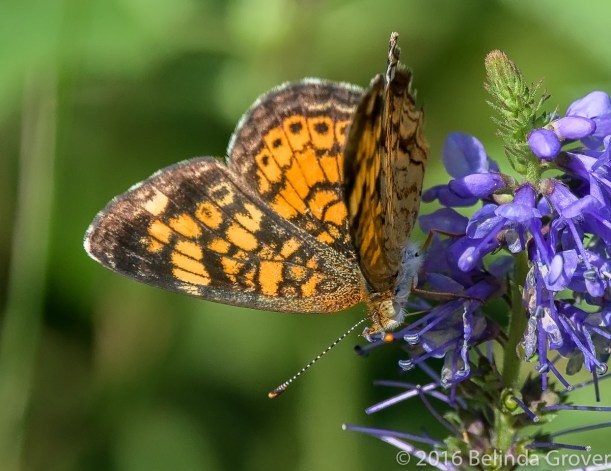
This lovely butterfly can be seen in our region June-August but I only saw it a few times this summer. It’s known to be a fast flying fritillary but this one flew at a leisurely pace allowing me to take a number of photos. Although we’re having a warmer than normal fall, it was grey and rainy today. A butterfly was just what I needed!

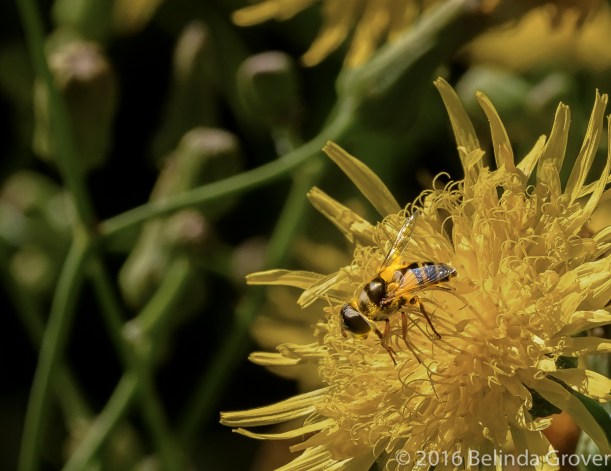
I’m putting this post up on a dark rainy afternoon at the end of summer. In going through my photographs I came across this scene taken back in July. The warm colours and the industrious mimic fly was the perfect antidote for the scene outside my window.
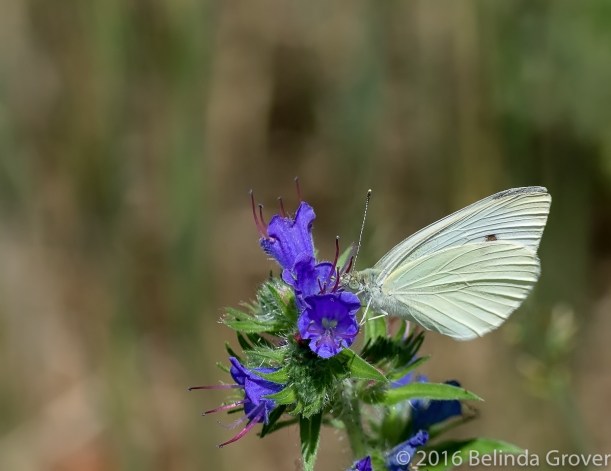
I like the way the purple of the flower contrasts with the butterfly. They do make you work for their portraits though as they move from flower to flower at breakneck speed. At first glance their colouring isn’t very remarkable but if you look more closely they have attractive markings and pale green eyes.

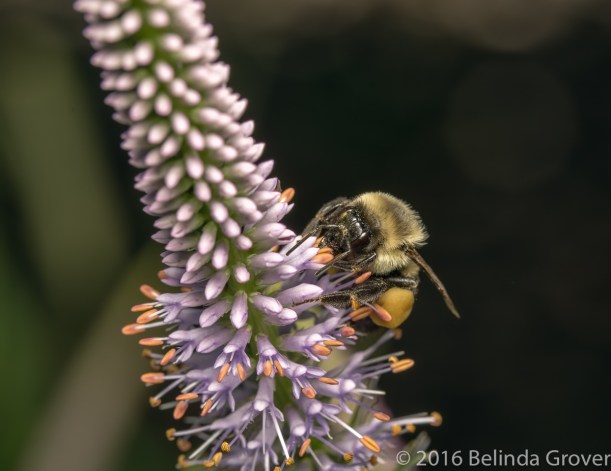
I enjoy taking photographs of bees. They’re attractive, they visit colourful flowers and the challenge of capturing a moving target adds to the fun. I took this photo with my 105mm lens using a flash and a diffuser. It’s a nice combination when taking fast moving insects as the flash freezes the movement of the insect and the diffuser softens the light nicely. Out of camera the background was rather flat, adjustments to the contrast, exposure and shadows brought out some detail.
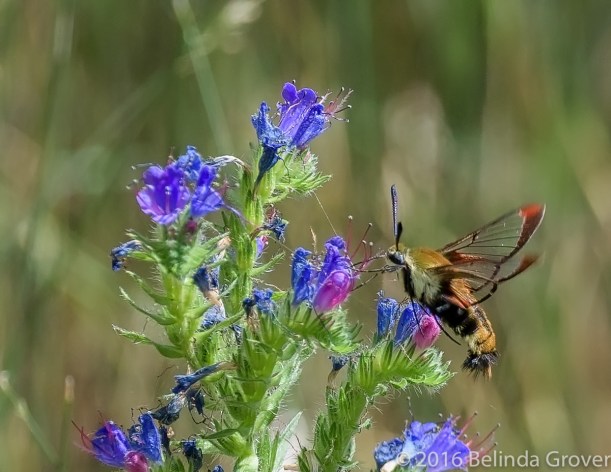
This was only the third time I’ve come across a hummingbird moth. I had been looking around for birds and almost missed it. I followed the moth as it moved from flower to flower in no great hurry. This extraordinary looking insect feeds much like a hummingbird does by hovering in front of a flower and using its proboscis to feed on the nectar. All this happened within the first few minutes of entering the reserve. I came away thinking that if I saw nothing else on the trail that day it really wouldn’t matter.

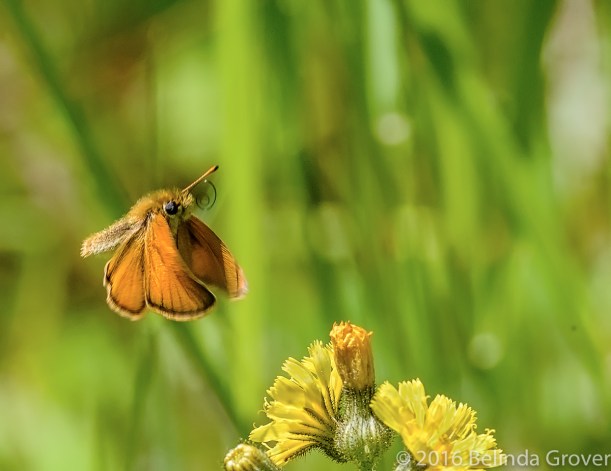
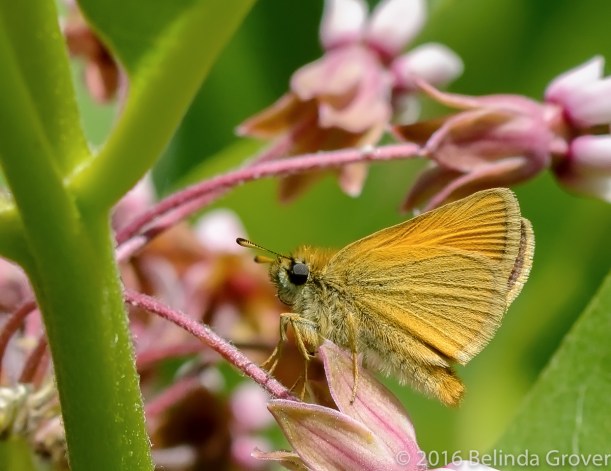
We’re starting to enter that part of the summer when you get the first sense that the season is slowly coming to a close. Every time I notice some wildflowers begin to fade or not catch sight of a certain bird or insect I’ve seen all along, I feel time moving on and know that summer is growing short. These photographs were taken in June. I saw some skippers in July but it’s been several weeks since I’ve seen any. Cabbage Whites seem to be in the majority lately. There are still plenty of sunny hot days to enjoy but as a northern country we hold these days particularly dear and just wish they’d last a bit longer.
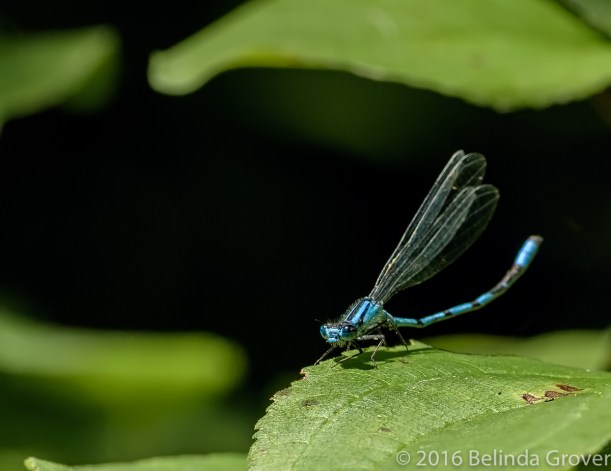
Damselflies are fun to photograph and like dragonflies, if startled they will often fly back to the same perch. Once you begin to understand their behaviour, insect and other nature photography can be much more rewarding. These shots were taken earlier last month. We are having an extremely hot dry summer and it seems to be having an impact on wildlife. Insect and bird activity has slowed in the last while. There are still plenty of subjects to photograph, it just takes a bit longer to find them.

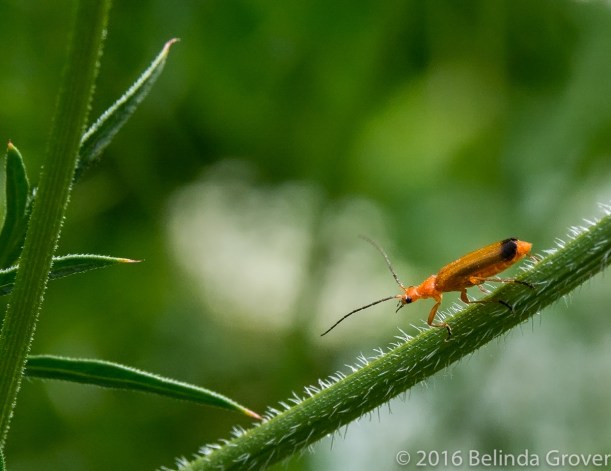
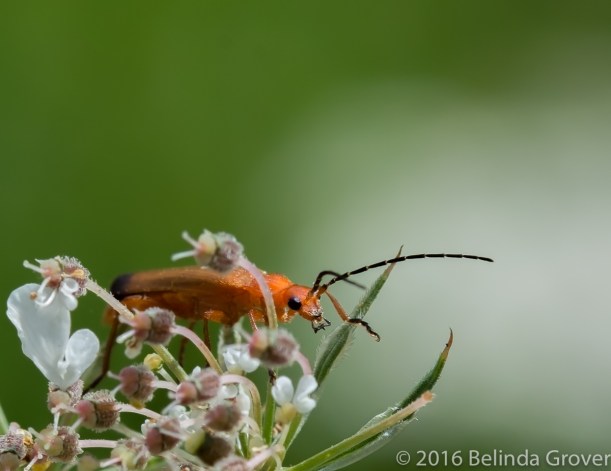
I’m learning that it can be easier to take photographs of insects than to identify them! After looking through two insect guides I believe these insects are either soldier or flower beetles but then again who knows?! (If anyone can tell me I’d certainly appreciate it.) I took these shots at a nearby wildlife garden that we had visited the week before. The vegetation that grows here is beautiful on its own but it also attracts a good number of insects. In addition to butterflies and milkweed beetles, I came across these beetles. The hot weather makes them run around like crazy and the temperature that day was soaring. It’s difficult to get such small moving objects in focus and I was pleased with the results.
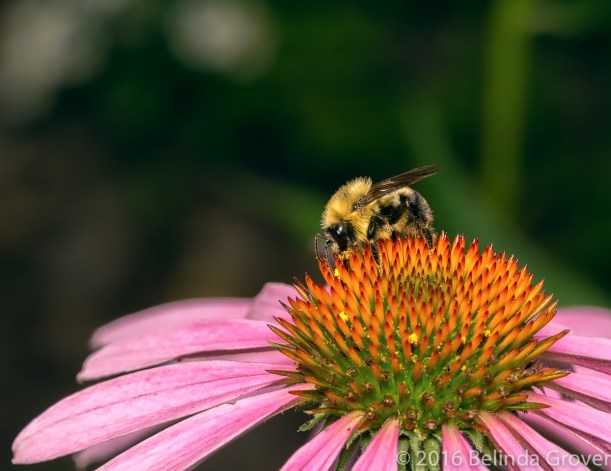
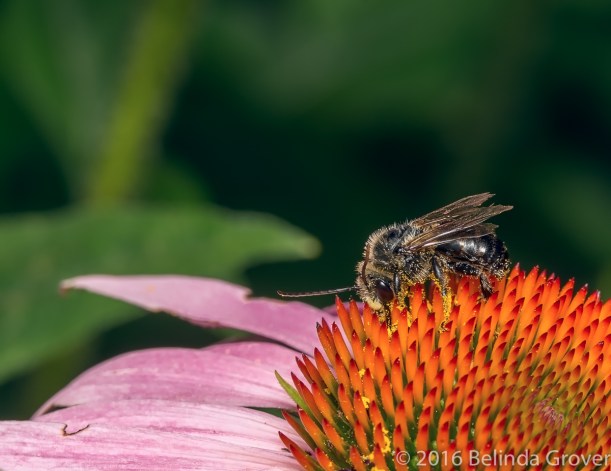
The wildlife garden I visit has tremendous stands of coneflowers, which are usually paired with bumblebees. Yesterday was no exception. I followed this bumble bee as it moved from flower to flower, collecting pollen grains. The flower in the first photo is in better condition than in the second so I cropped minimally to show it off. (It’s more about the flower than the bee.) I took both shots with my 105mm, flash and soft box at F14, 1/250sec, ISO100.
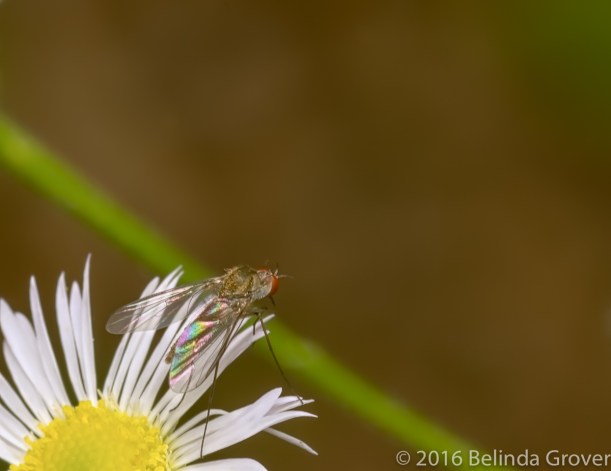
A long title for a tiny subject. I’d stepped out today hoping to photograph some wildflowers. I spotted a slew of these daisies and as I lifted my camera to my eye I noticed this tiny fly on the edge of the petal. The subject of the photo quickly changed from flower to insect. I snapped away hoping the fly would turn towards me. That didn’t happen but I did manage to catch the reflection on its wing. A pretty good outcome I’d say.

As the summer wears on the variety of dragonflies increases. On hot summer days the birds might be scarce but the insect world is in high gear and there is no end of colourful subjects to take. This dragonfly landed in the open and was well lit, I couldn’t ask for more! I spent some time trying to identify it without any luck. If anyone knows what it is I’d love to hear from you.

There are many varieties of skippers. The least skipper is the smallest of Ontario’s butterflies (17-26mm or approx. 1 inch). I spotted this butterfly among some wild flowers that bordered a suburban bike path. It’s a pleasant area to walk as the city has let the natural setting flourish beside a pedestrian and cycling route. I took my 105mm macro lens with me that day hoping to get an opportunity for some insect shots. I was happy I did.
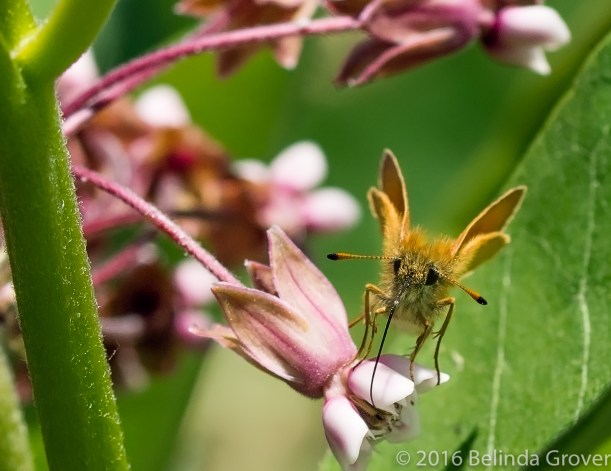

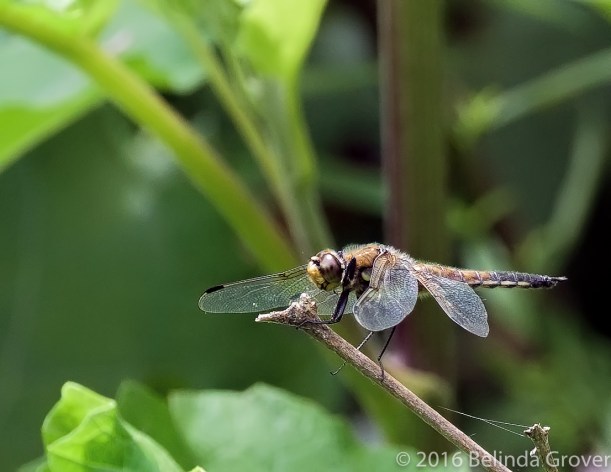
It’s always nice to capture these insects on an interesting plant or giving you the eye, something I think I did in both of these shots. I was carrying my long lens that day, hoping to photograph some birds but saw these willing posers instead. Just like new plant life that seems to crop up daily, every few days I see different kinds of dragonflies and damselflies. I think they’re beautiful subjects so I’ll be featuring more of them over the course of the summer.
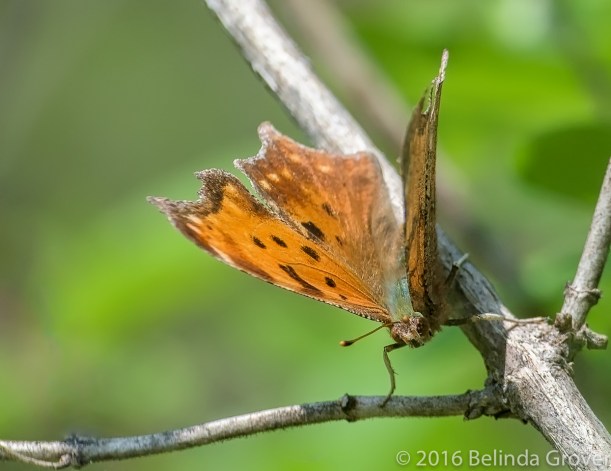
Butterflies can be a particular challenge to photograph but this comma was an exception. I took this shot on a cool day in May so the butterfly moved more slowly than it would when the weather is warmer. It remained in this pose long enough for me to take several shots. The natural light was ideal and shows off its iridescent colouring. The season for butterflies is short in Eastern Ontario, so I don’t miss an opportunity to photograph them. I was using my 200mm lens that day; sometimes having a bit more distance between you and your subject works to your advantage.
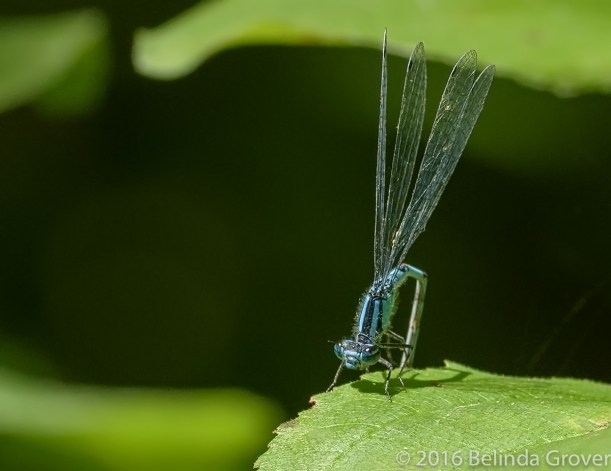
None of these photos feature true bugs. The spider is an arachnid and the other two are insects. The damselfly was taken with my 70-200mm lens, the fly and jumping spider with my 105mm. I use my longer lens most of the time with an eye to taking bird and other wildlife shots. I find that I can get pretty decent close-up shots of insects with it as well although I have to crop the image more. With a bit of encouragement from “my partner in crime” I have been getting more familiar with my macro lens, extension tubes and flash. The spider and fly are recent shots taken with this set up. I’ll be using it more often.

 BELINDA GROVER PHOTOGRAPHY