
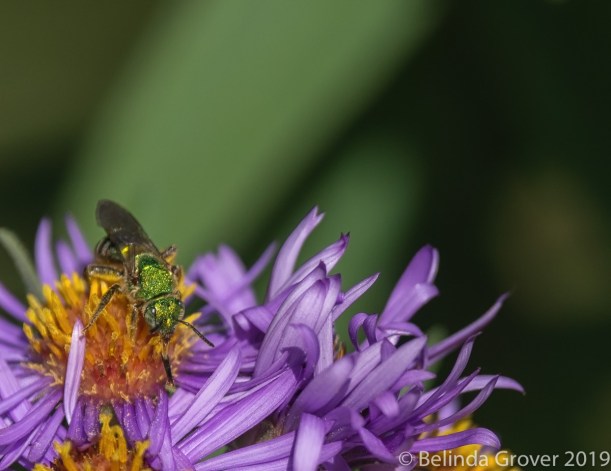
 I took these photos early last fall. It was a good year for these brilliantly coloured bees. The first was taken in the woods and the second in a neighbourhood garden, both with my 300 mm lens, which I often use for close ups like these. It keeps me at a comfortable distance from stinging insects although these bees are usually too busy feeding to pay me any attention.

 I took this photo early last Spring. The bee was slowly warming up on the lily; the air is still quite cool in the early morning and all insects need a little heat to keep flying.
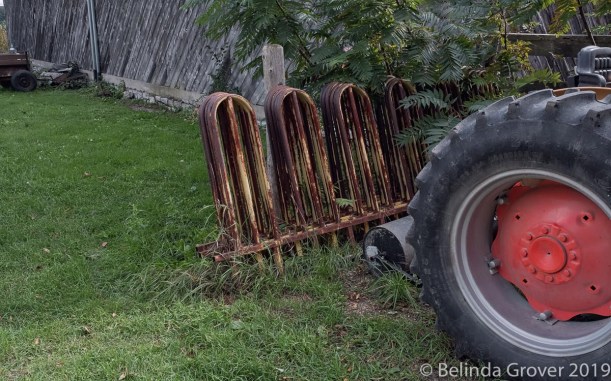 Another scene from the countryside last summer. I love taking these walks, no hustle or bustle, just the buzz of insects and the sweet meadow smell with every step.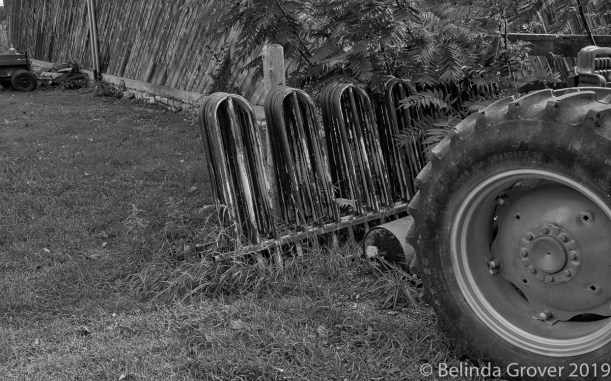
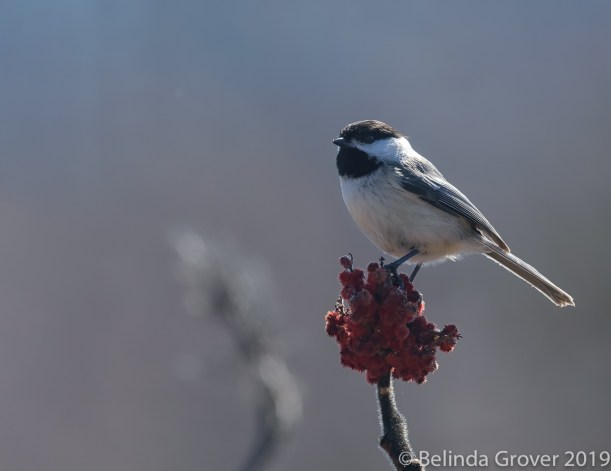 A chickadee from last spring. Usually at this point, I’m at the reserve looking out for early spring migrants. This year, it’s different for everyone. So for the time being I’ll be posting photos I took earlier last year.
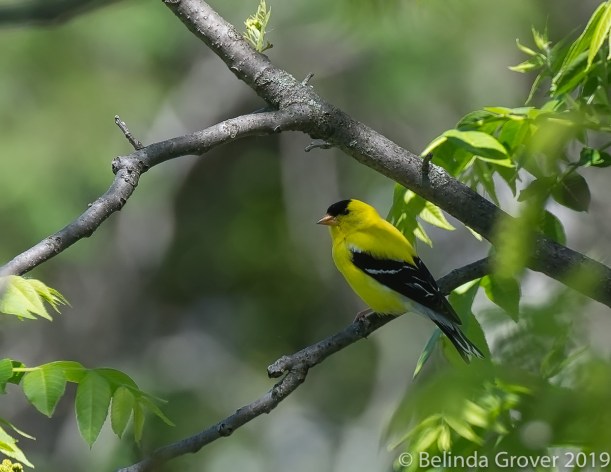 It was nice to see this goldfinch in plain view, it was in no hurry at all. They are often just flashes of colour, flying away as I approach. Not that day though.
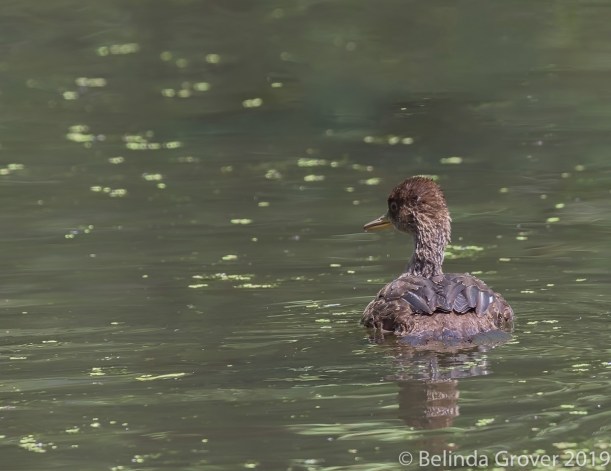 We don’t see many hooded mergansers. When we do, they’re usually too far away to get a decent photo. This female was closer to shore than usual, she was on her own, no other ducks in sight. When she saw me, she swam away but I did manage to get this parting shot.
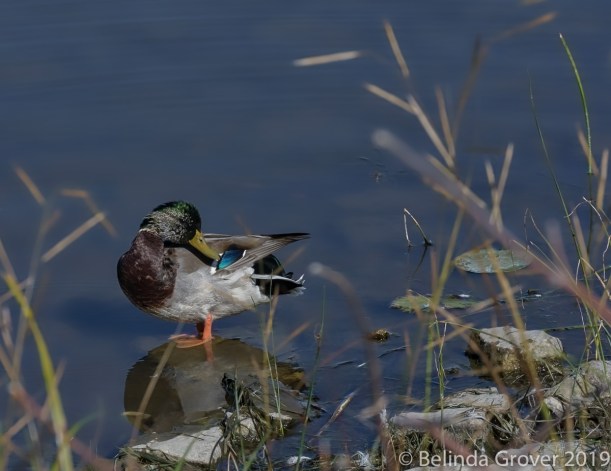
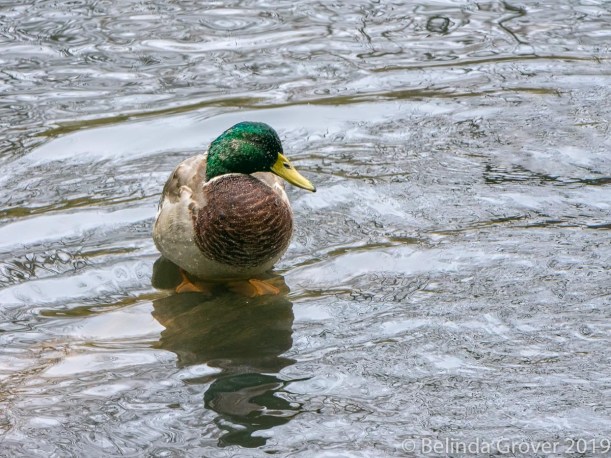 The lake has a lot of fallen trees that form ledges in the water. The mallard found a footing to dry off after a swim. It was late fall, and the water reflected the leaden sky. The ducks added the colour that day.
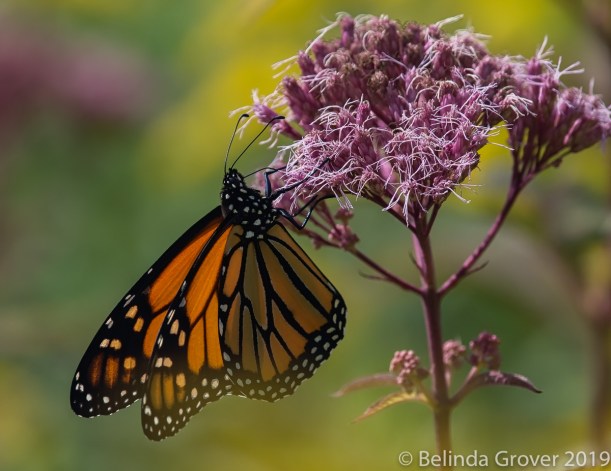 Last year was a terrific one for butterflies; monarchs and painted ladies seemed to be everywhere. Monarchs were a particular pleasure as we hadn’t seen too many in recent years. I took these in September, shortly they would begin their migration to central Mexico.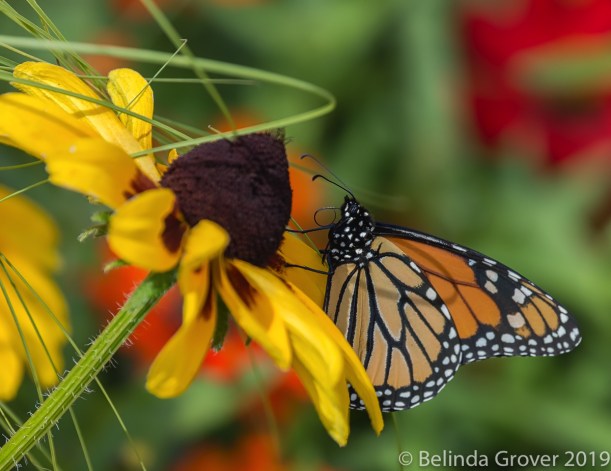
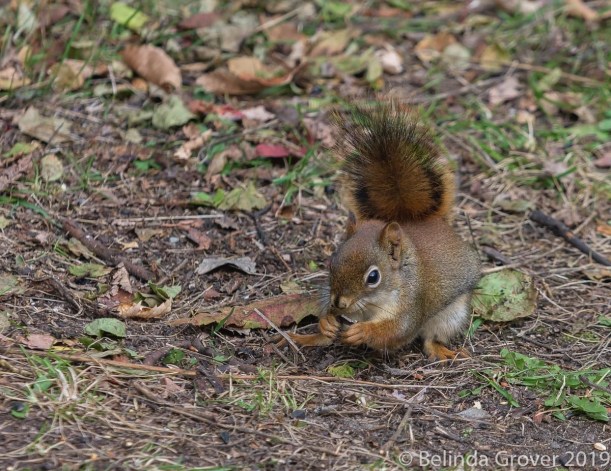 I’ve photographed many red squirrels but I’ve never seen one with such striking highlights before. Perhaps it was the light and shadow that day. A fine little guy, enjoying his snack.
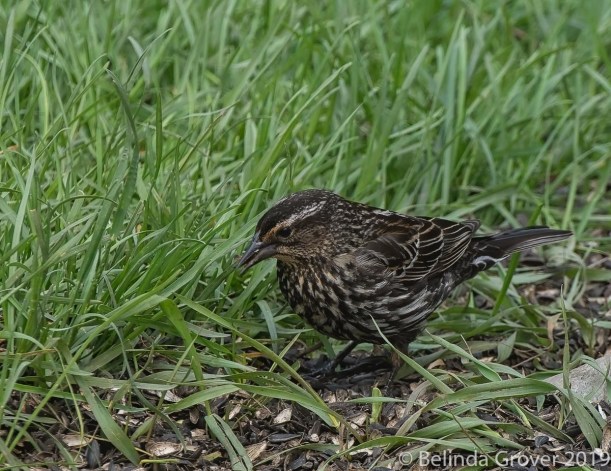 A female red-winged blackbird taken last spring. A bit of cheer and a reminder that as dire as things might be right now, things will turn around and when they do, the trails and reserves will welcome us back.
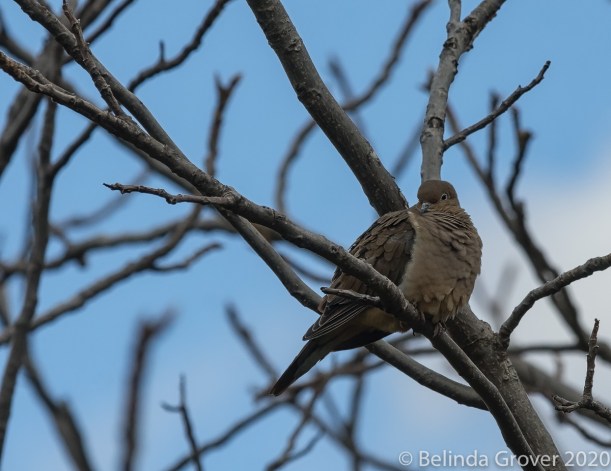 On a cold day, I noticed the mourning dove high up in the tree puffed up against the cold. Although many migrate in winter, the nearby feeder in the wildlife garden was a drawing card for this bird and many others.
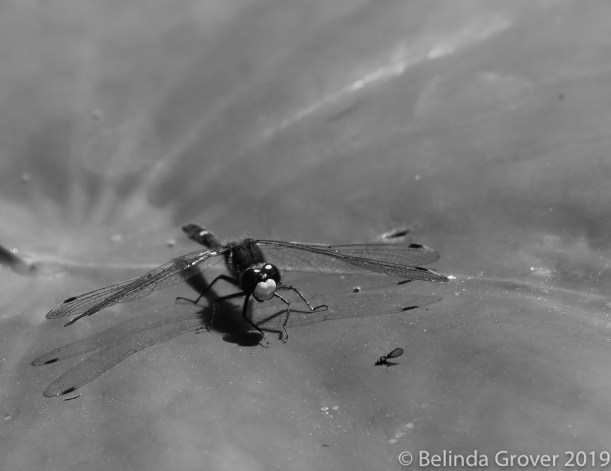
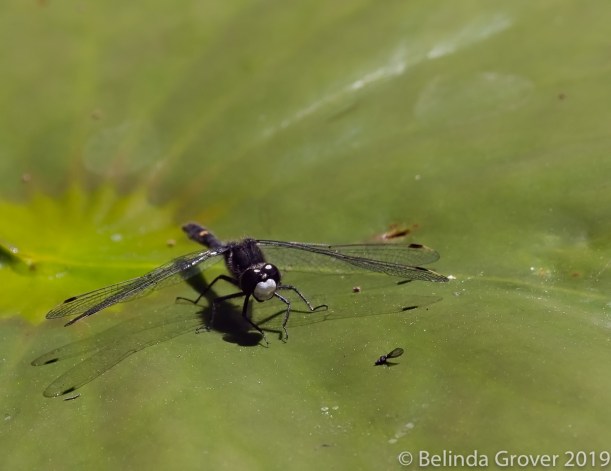 I took a lot of dragonfly photographs last June. They tend to emerge in bursts and you see them everywhere. I particularly like to watch them when they land on lily pads and turn slowly towards the sun. They look like mini helicopters.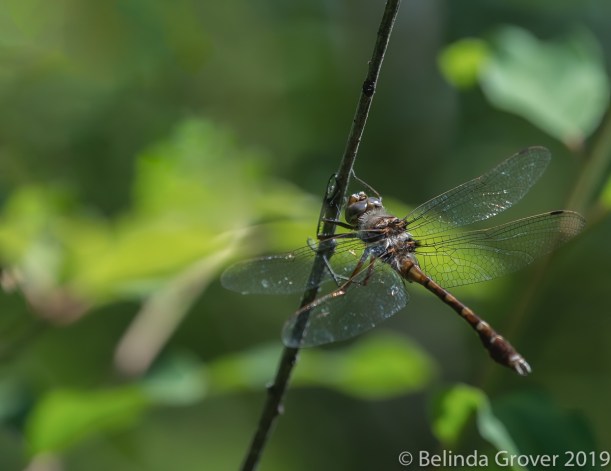
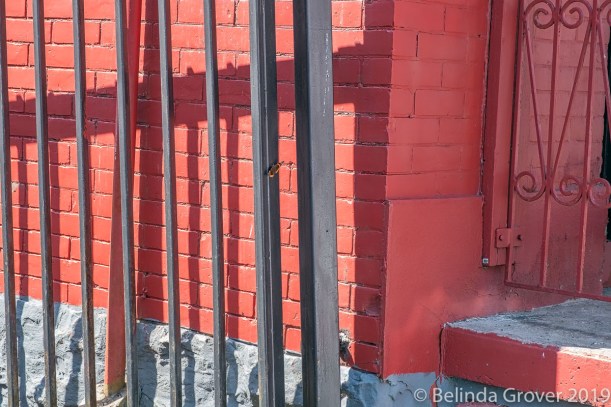 It’s fun to wander down some of the laneways in town. They often run several city blocks. I sometimes catch a glimpse of a garden, back stoop or garage and there’s always plenty of sun and greenery. The dogs in the backyards are friendly too, they rarely bark as I pass by.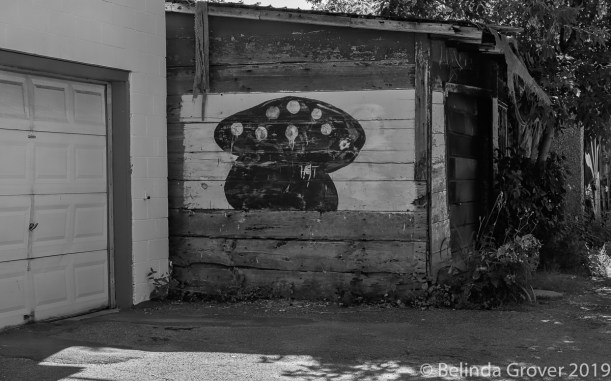
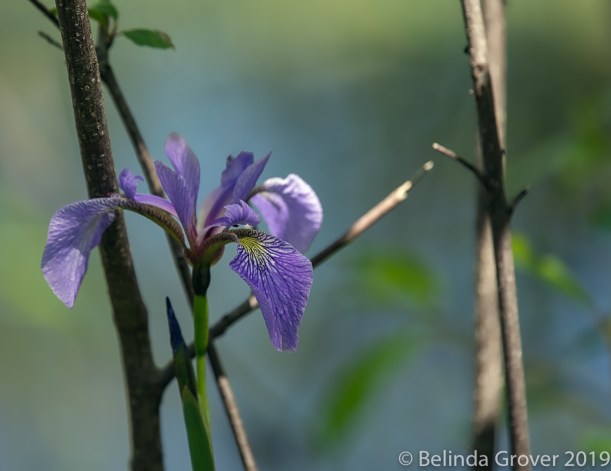 The first photo was taken at our favourite reserve. We see a few irises along the water’s edge every June. The second photo was taken in a neighbourhood garden. The cultivated irises are beautiful but I prefer the more subtle colour of the wild flower. And though it looks delicate, it really can’t be as it thrives in this natural setting.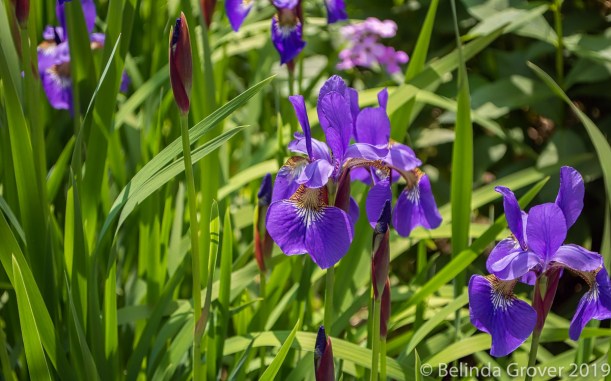


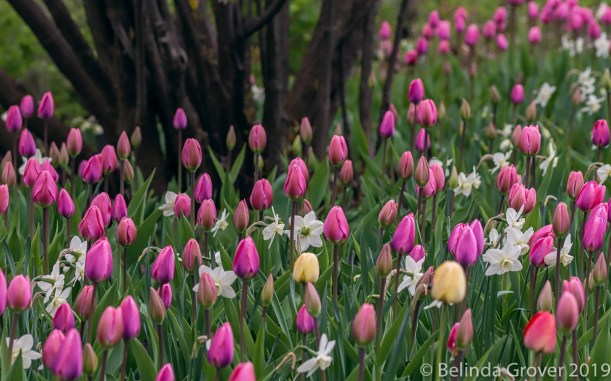 I imagine that somewhere, people are enjoying the sight of tulips and daffodils. Ours make an appearance mid-Spring. I took this photo at Ottawa’s Annual Tulip Festival. I never miss it!
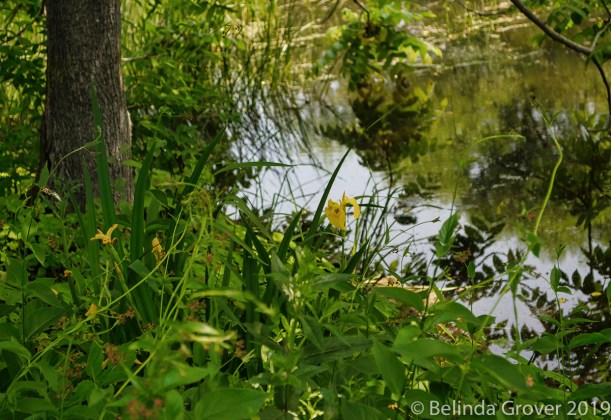 On a sunny day last July, we found a shady spot by the water to cool off. The air was hot and still and the scent of iris hung in the air. The snow might be falling outside right now but a scene like this reminds me that we’re headed in the right direction. 😊
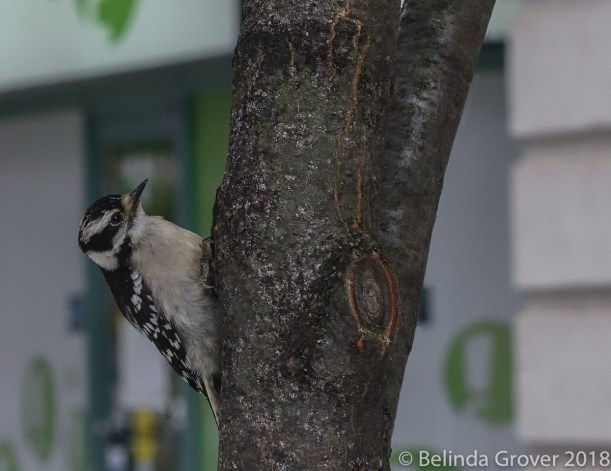 Far from any green space, we stopped to photograph this downy woodpecker on a busy street. The management of the office tower had just planted trees outside and the bird decided to investigate. Office workers rushed by and no one else seemed to notice the downy at work.
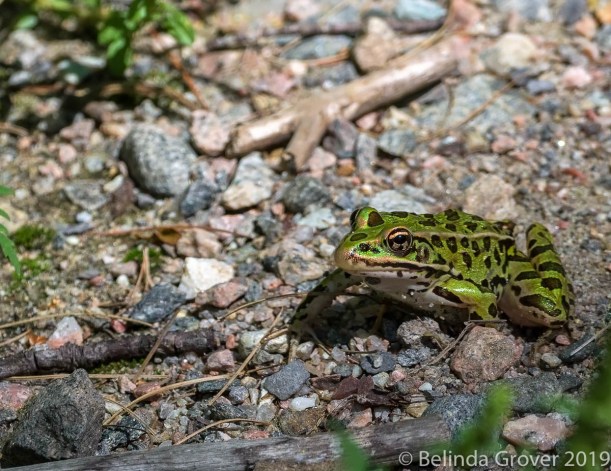 Frogs blend into their surroundings so well that unless you see them move or spot one in the open, they are difficult to find. I think the leopard frog is a very good looking frog, and this one sparkled. 😊
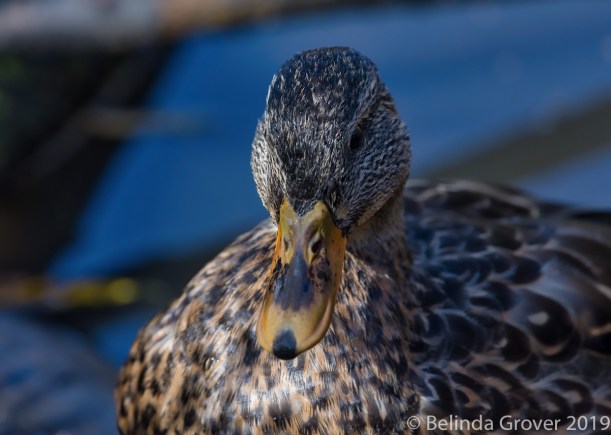 This mallard was standing on a log, staring in my direction as I walked along a bridge that crossed a pond. I couldn’t back up and I was using a 300mm lens so I just took the shot. I was glad I did, it was one of my last duck photos of the year.
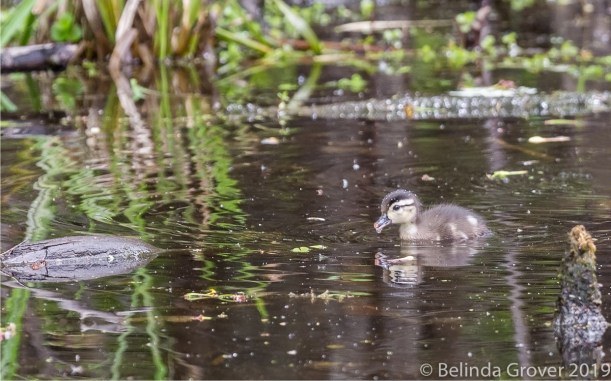 This little wood duck has appeared on my blog before, this photo caught it slightly differently. It’s still a while before the adults return and form pairs and several more months before we see sights like this again.
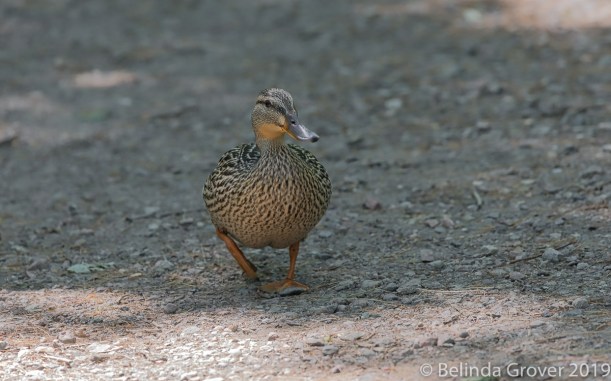 You’re never alone in the woods. There’s a well trodden path in the reserve that sees a lot of foot traffic, both human and duck. Looking around we often see a mallard following us (or maybe just enjoying a walk too 😊).
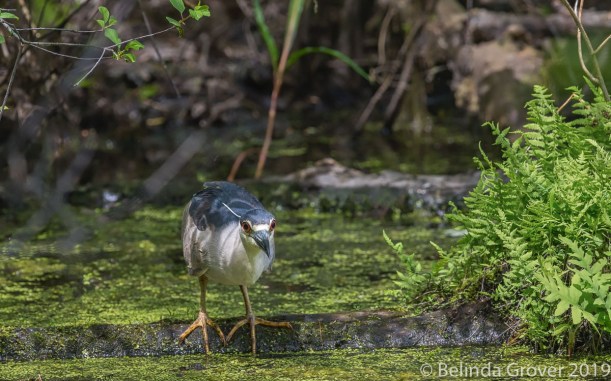 When the Black-crowned night herons first return in the spring, we usually spot them high up in the trees. If we see one at the water’s edge it usually takes flight. The one pictured here was photographed later in the season and the fishing was good. It looked up to stare at us and then continued about its business.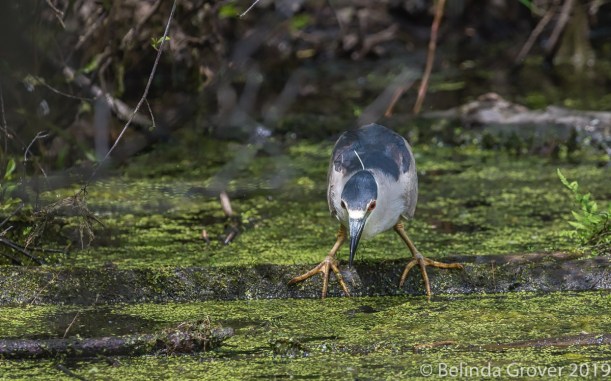
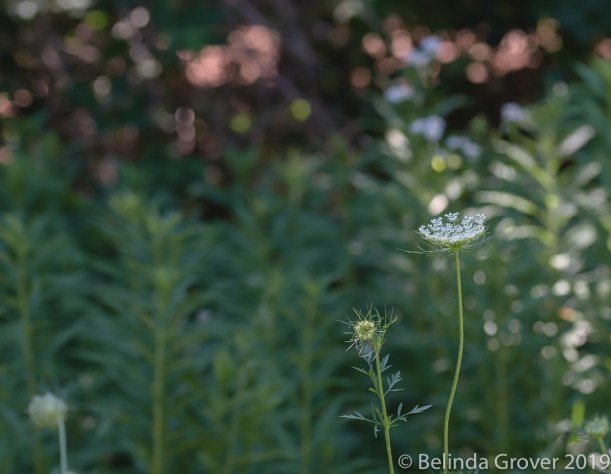
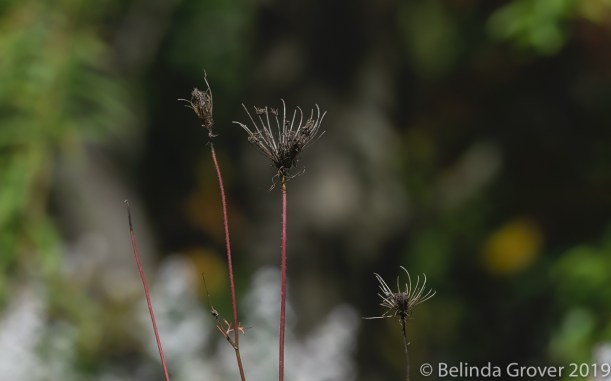
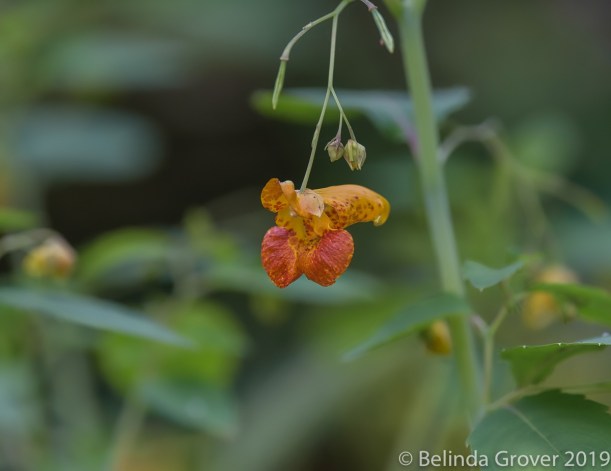 This flower is an annual, native to North America, and often grows close to a water source. Every summer I see it growing by a small pond in a wonderful tangled mass of colour.
 When I took the photograph of this mating pair, I didn’t notice the other insects in the frame until I downloaded the image. I did a larger crop to show the damselfly on the far left, and a few other hangers-on on the tree stump. It was a busy time of year for these insects.
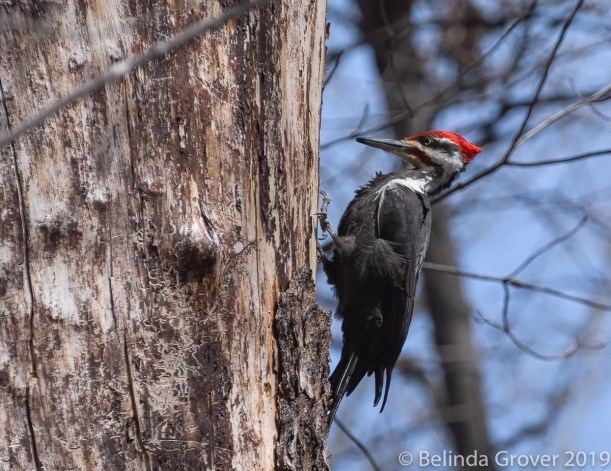 The pileated woodpecker, native to North America is also its largest woodpecker. We heard the bird excavating the tree before we saw it. These loud, colourful birds populate our woods year round although we see them most often in April, as they begin nest building, and into the fall. Other animals benefit from their home construction. As these woodpeckers nest only once in the same tree, other birds and animals will often move in and feed on the insects the woodpecker has disturbed.
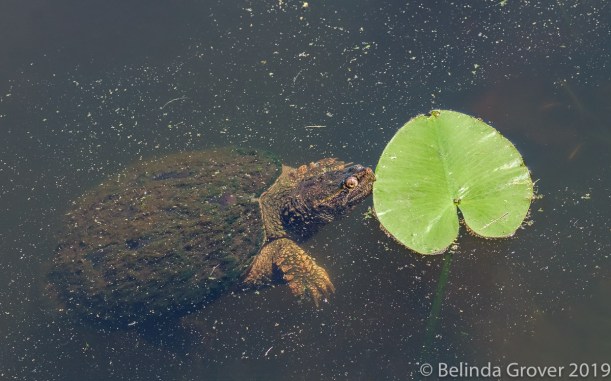 The snapping turtle surfaced from the murky water as I stood on a viewing platform. I thought it was quite young given its size but with all the algae on its shell I’m not so sure. This small lake has three kinds of turtles, the snapper growing the largest. After a long winter of hibernation deep in the mud, we’ll see them again when the ice melts in spring.
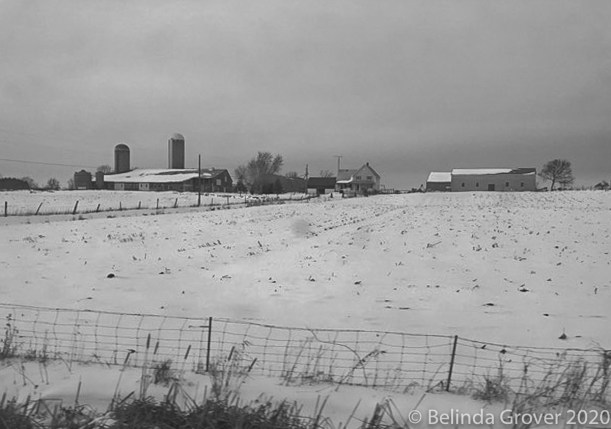 Staring at the countryside speeding past my window, I took a few photos with my cell phone. I’m not familiar with my phone camera, and I was a considerable distance from the farm but the countryside was beautiful and I wanted to capture what I saw.
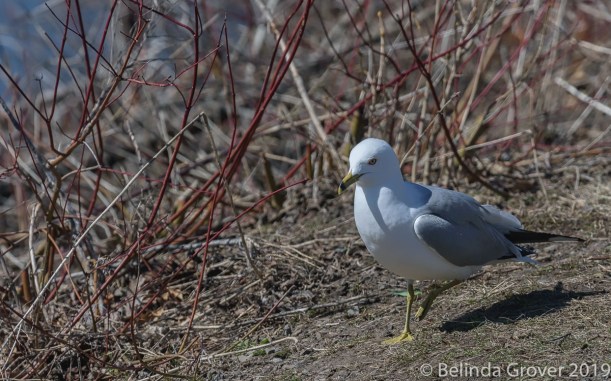 These medium sized gulls are sociable birds and opportunistic feeders. Ring-billed gulls often congregate in large numbers so I was surprised to see these two on their own. The first photo is of a breeding adult, the second is a non-breeding gull. I’m not overly fond of gulls but seeing them close up, they can be admired for their bearing and striking eyes.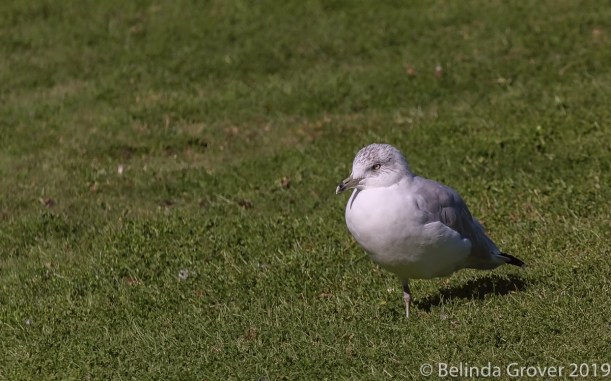
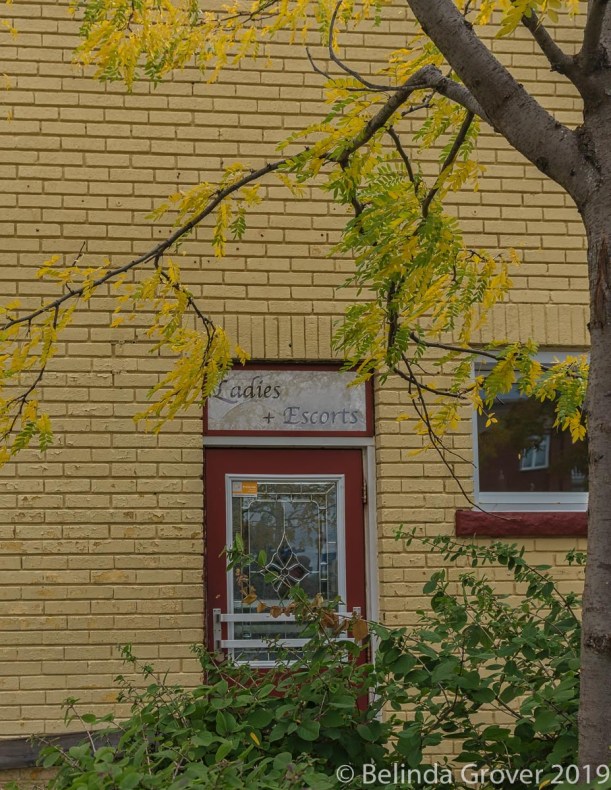 This building once housed a tavern built in 1909, it’s now a fine restaurant. Over a side door, it has retained a sign from a time when women required an escort to enter a bar. Another find on a walk through the city.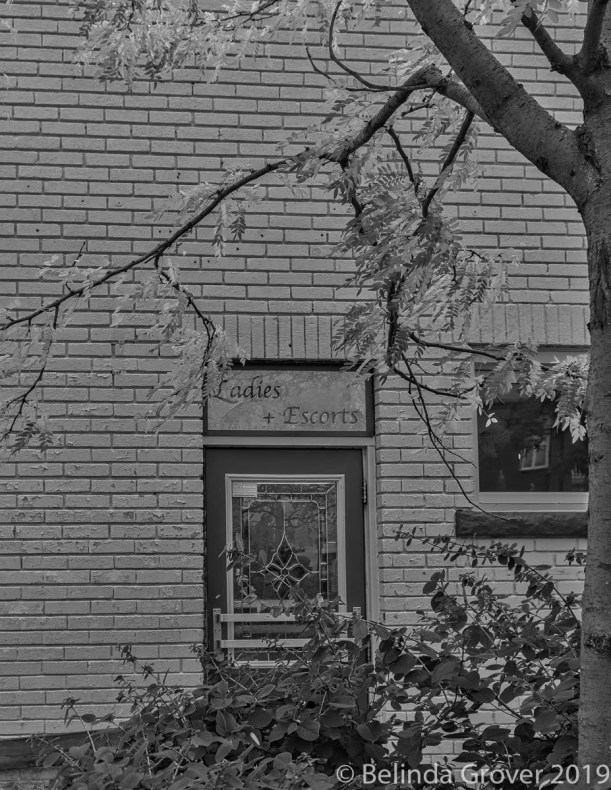
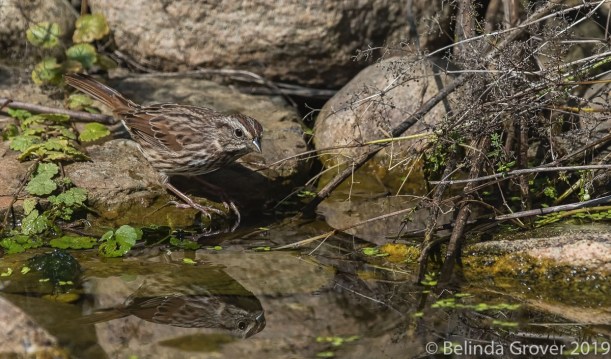 These common sparrows are often found in groups. You might appreciate their song but don’t often really consider them. This little sparrow enjoying the water on a hot day didn’t mind my presence, so I took the opportunity to admire him and take some shots.
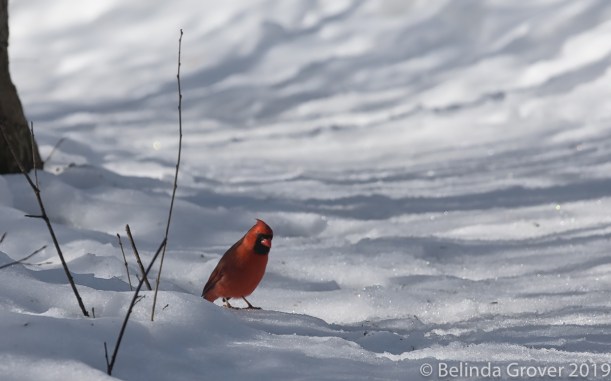 The wind carves out the snow in waves. A pretty sight made more so by the cardinal that wandered into the frame. Although bright and solid the bird looked a little lost in all that white.
 Mimic flies are fun to photograph. If I had my macro lens with me, I would have concentrated on the insect but as I didn’t I took the shot I could. I rarely carry more than one lens when I go out so if I see something worth taking I’ll give it a go.
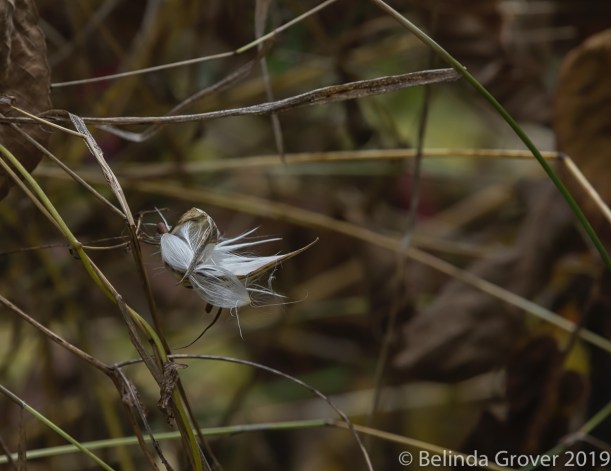 I think the milkweed plant is its most beautiful in the fall. The pod stood out against the dry grasses and brought contrasting colour and texture to its surroundings.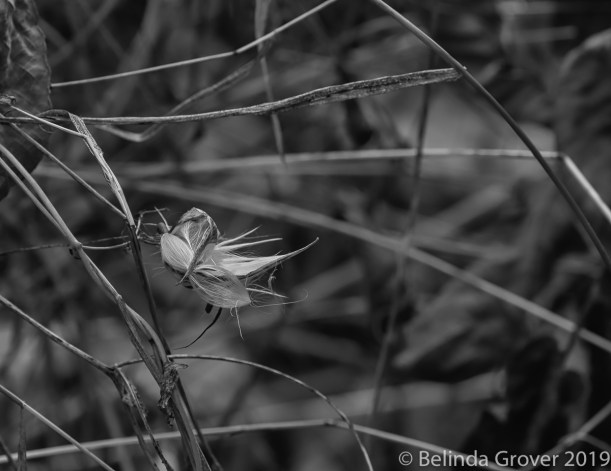
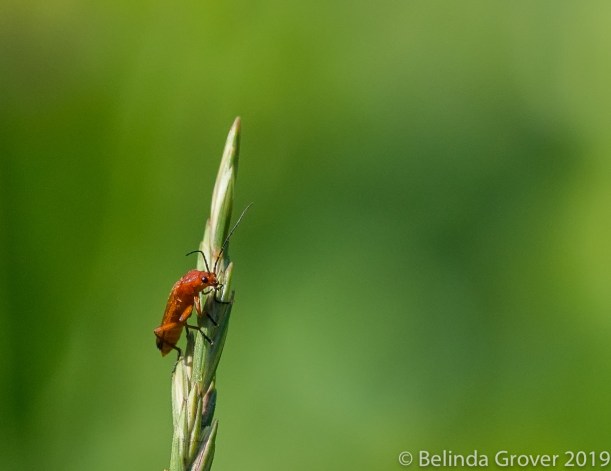 Another insect post. I miss these vibrant summer colours. We see a lot of white and grey in the winter but when the sun does shine, the sky never looked bluer.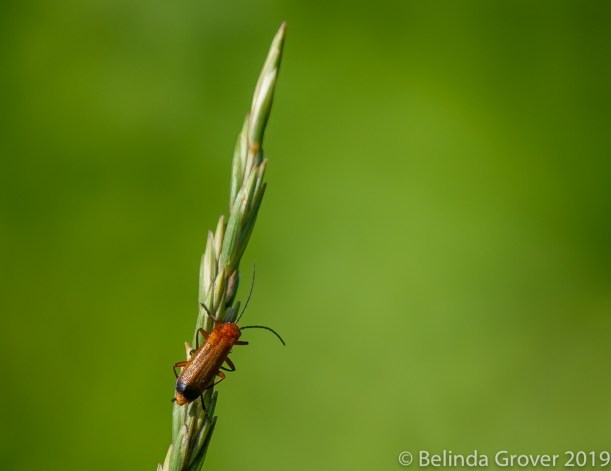
 The reserve we go to has both beavers and muskrats although muskrats are more common. This muskrat was gliding silently through the water in among the reeds. Interesting fact – muskrats are more closely related to voles than to beavers and their tail is more like a rat tail as you can see in the photo.
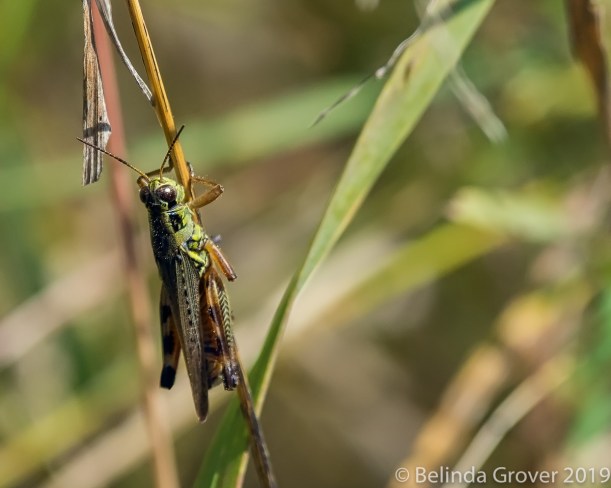 Grasshoppers are always fun to photograph, when you can find one. I only saw this grasshopper because it jumped onto a stalk of grass as I was walking by. It gripped the grass as still as could be and I took my shot.
 BELINDA GROVER PHOTOGRAPHY