
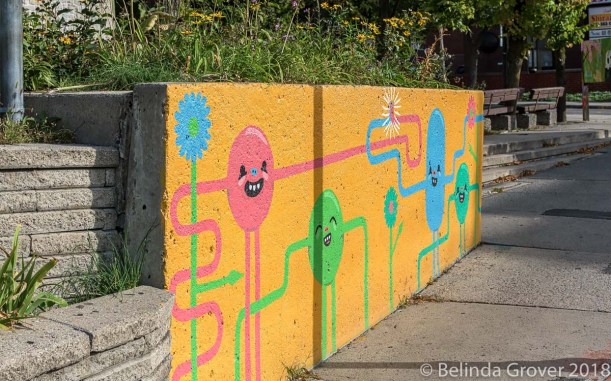
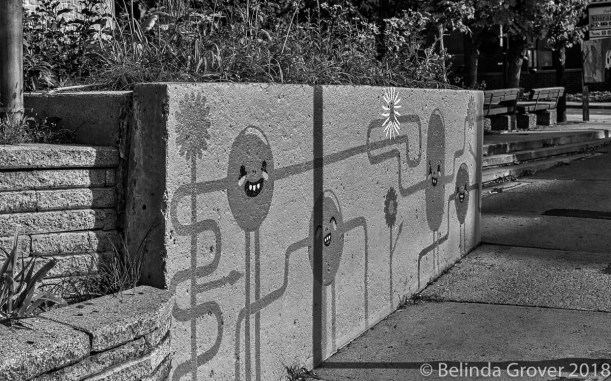
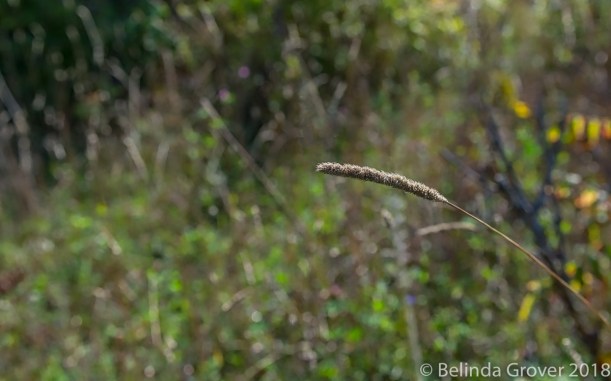
This pre-school in our downtown neighbourhood has a welcoming mural and is bordered by a small garden maintained by the local business community. The garden contains native plants and attracts a variety of insects all summer long. City and nature photography, all within a few metres of each other.
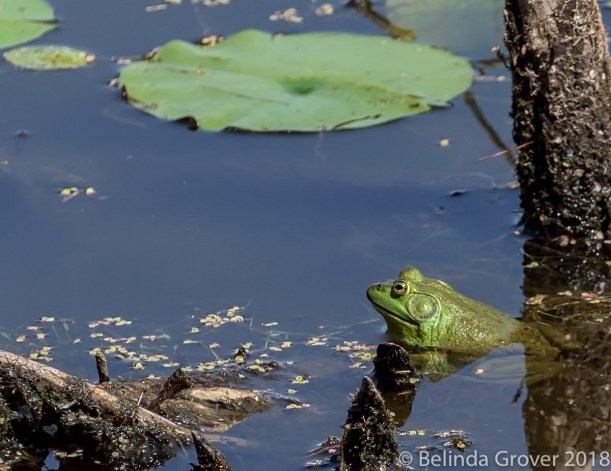
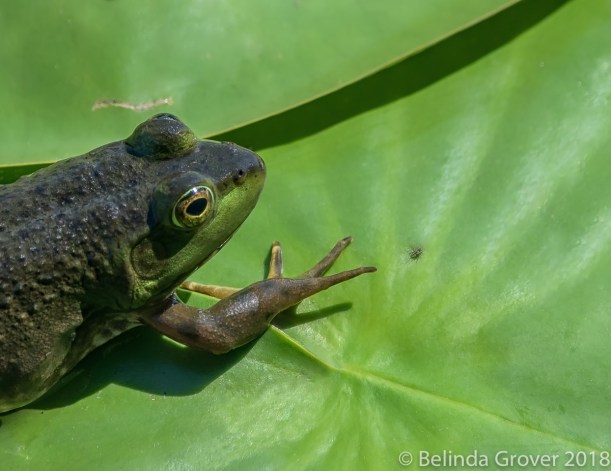 Frogs are part of the summer landscape. They arrive with the warm weather, sport summer colours and strike some classic poses on lily pads. Just add fly…
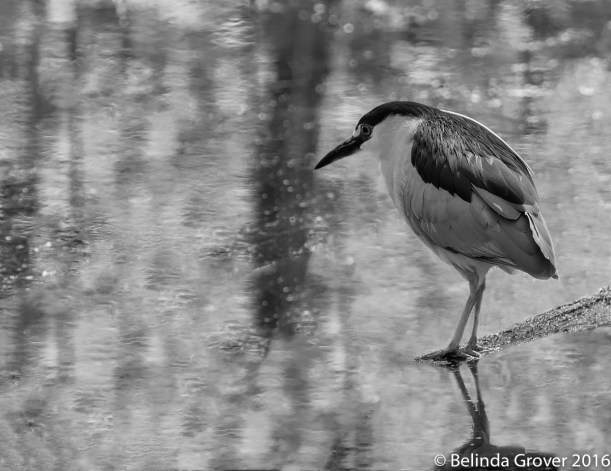 I have featured this photo before in colour but thought it would lend itself nicely to black and white. That and the fact that it’s too early for photo opportunities like this. We had a snowfall yesterday, a little early for April Fools’ Day and for the return of the herons.
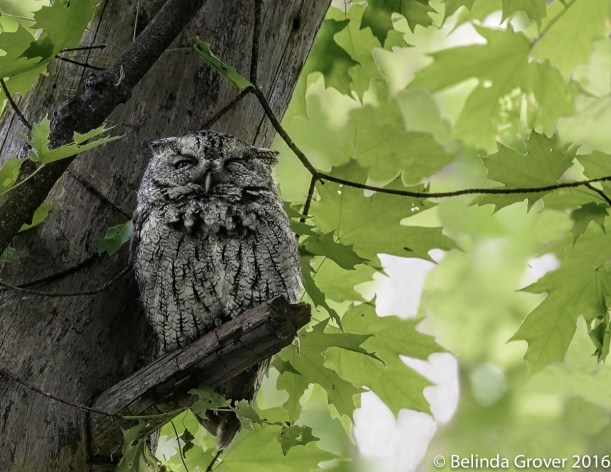 At the reserve we go to most often, we’ve seen barred, great horned and eastern screech owls. We see eastern screech owls most often. We usually hear of their presence from other photographers and then we go in search of them. Given their terrific camouflage, I’m always amazed when we do spot one.
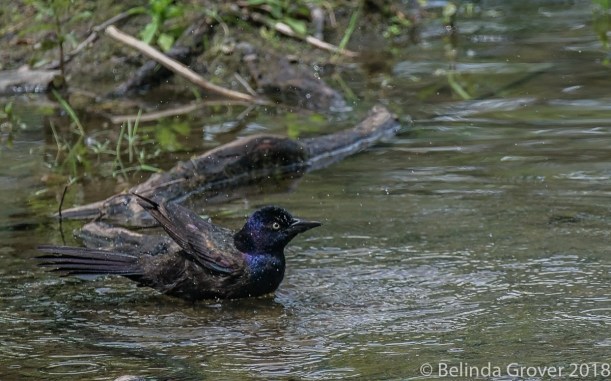 This grackle was enjoying the fine weather and a solitary bath in the lake. Although a common bird, I think their good looks and intelligence raise them above the ordinary.
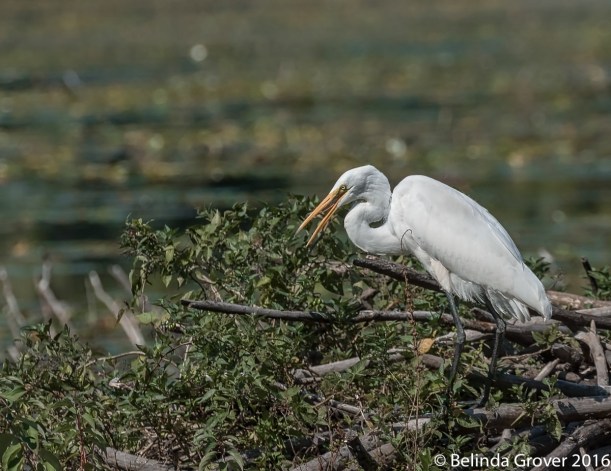 This is the second in a series of photos I took of an egret taking some turns on a beaver lodge. Perhaps he was digesting his lunch. There are some big catfish in this lake although the high water level might have made fishing difficult. I was at a sufficient distance not to disturb him and happily he was in no hurry to leave.
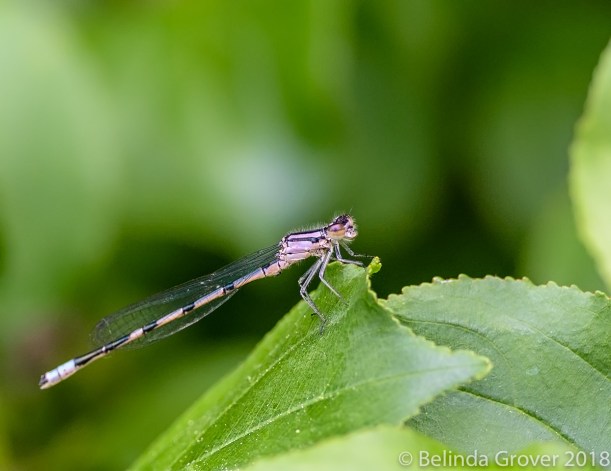
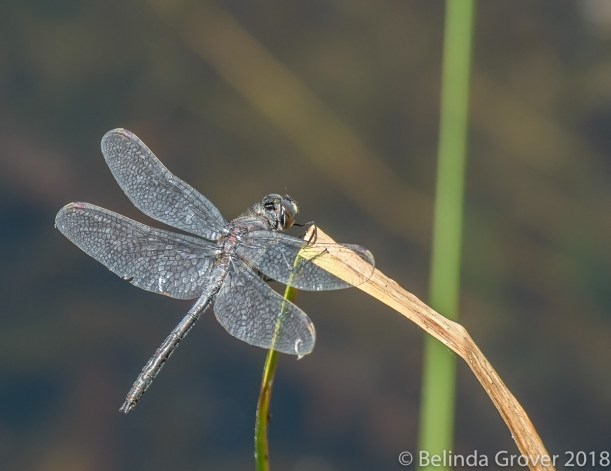 Although dragonflies can be challenging subjects, in watching them you become familiar with their behaviour and can often anticipate where they will land. The dragonfly in the first photograph was on a perch just above the water which made for a pleasing background. They are one of my favourite insects to photograph.
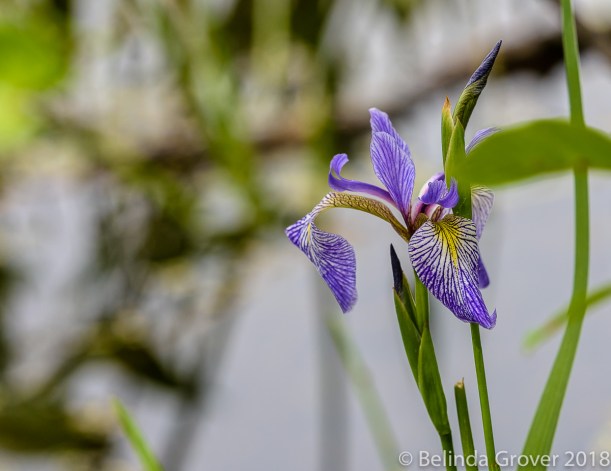 Following a trail down to the lake one year, I spotted an Iris growing right off the water. I was standing close to the water’s edge, looking for ducks and almost missed the flower tucked to the side. Every June, I follow the same trail down to the lake and continue to see the Iris return each year.
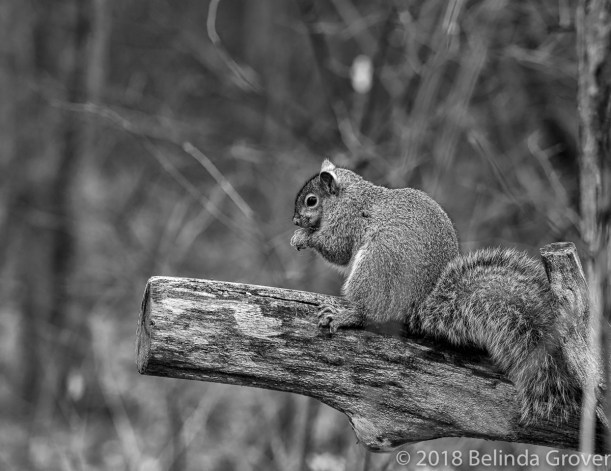
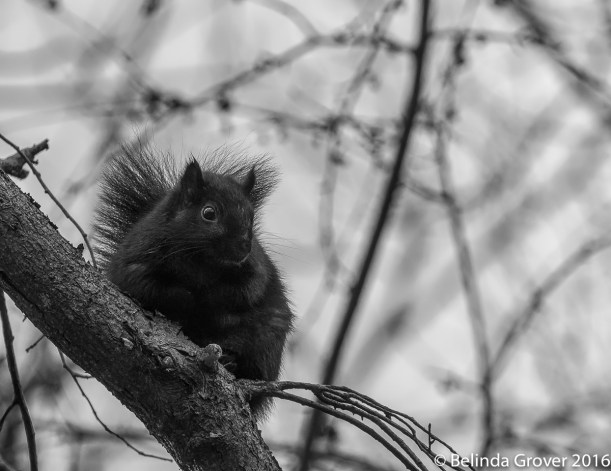 Although this photo was taken in November, the trees were bare and the sky overcast. It looks more like mid winter than late fall. Of all the squirrels in our woods this variety of eastern grey is the most watchful.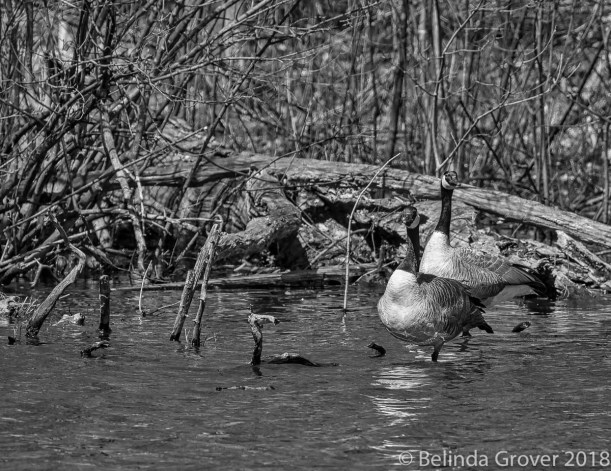
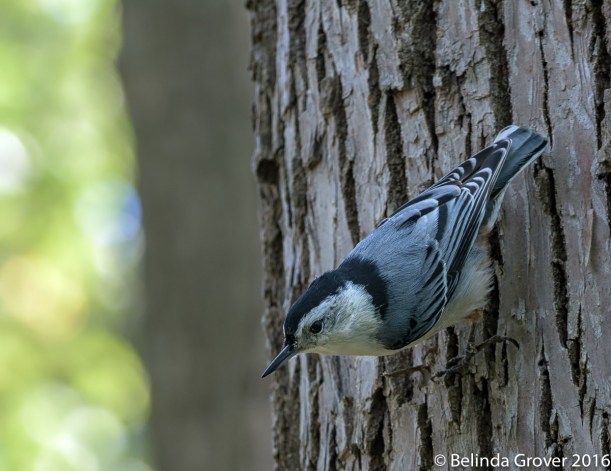 I like to hear the nuthatch’s nasal call, often alerting me to its presence in the woods. As they move along the tree trunks and branches so quickly, it’s often hit or miss to capture one in focus. Oh, but when you do😊.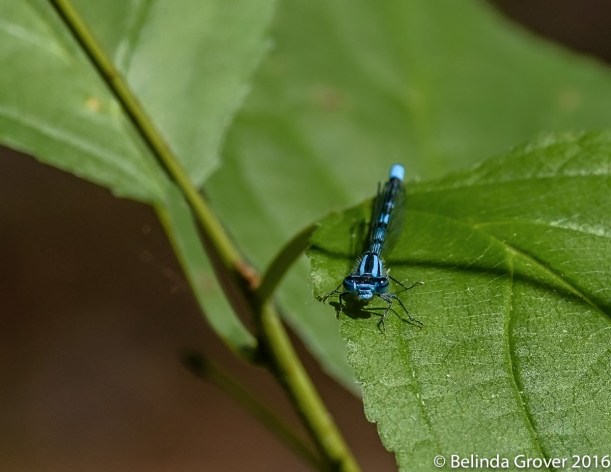
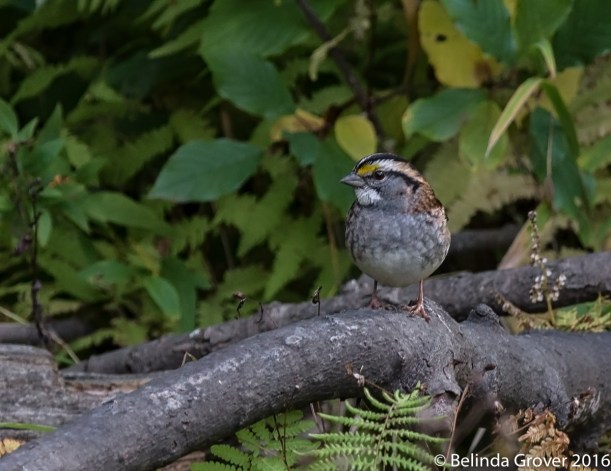 The white-throated sparrow is a common visitor to backyard feeders but having neither a backyard or a feeder I spotted this bird in the woods. I usually see a few in season but no more than that. This little bird perched himself on a fallen tree and remained there long enough for me to take his photo.
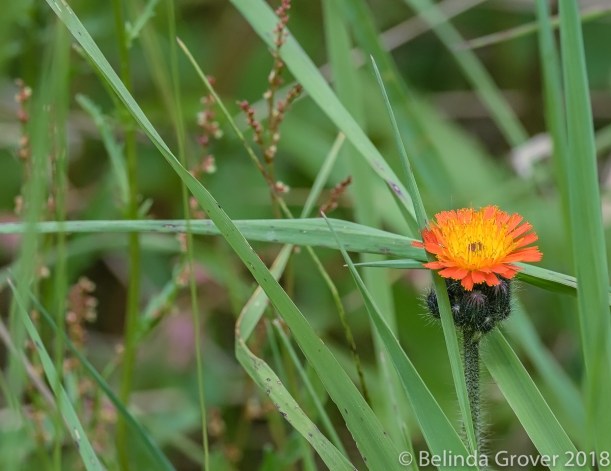 When I was a kid at summer camp we used to call hawkweed (above) the devil’s paintbrush. Both are common names for this attractive flower although the latter appealed more to the imagination of ten year olds! I don’t think I really took notice of the yellow salsify before I picked up a camera. It was while composing in camera and in the editing that I began to appreciate the flower’s detail and form.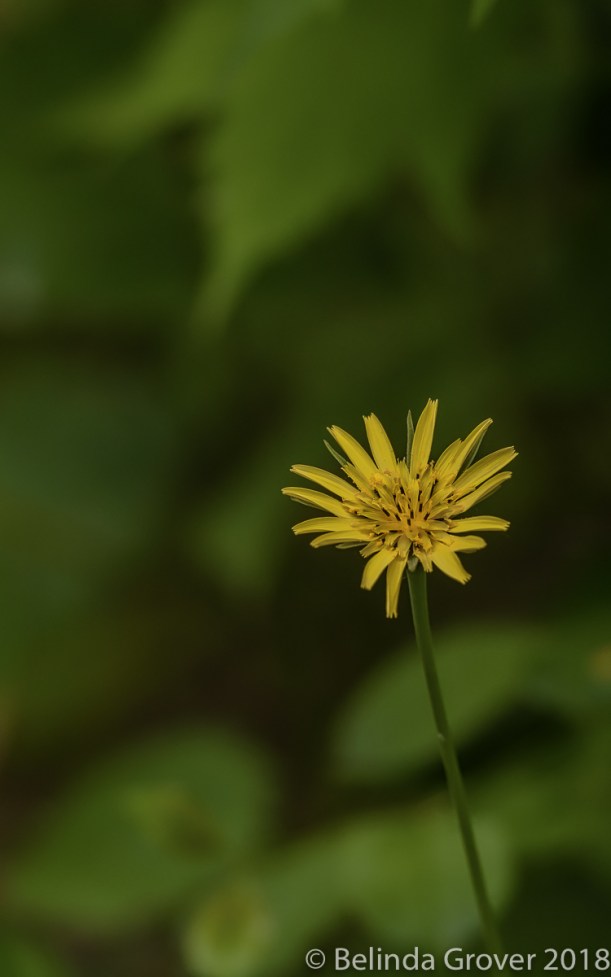
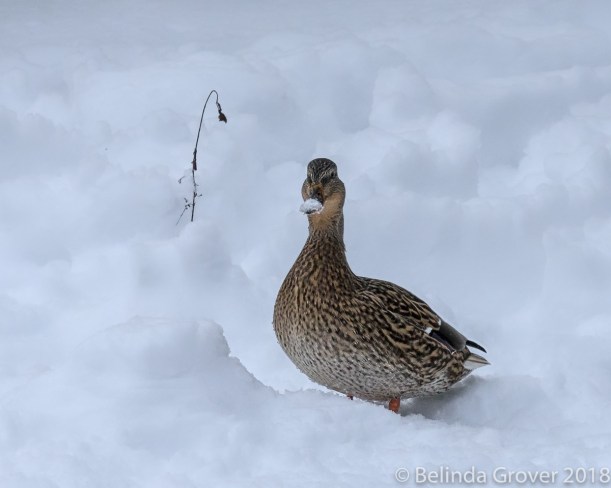
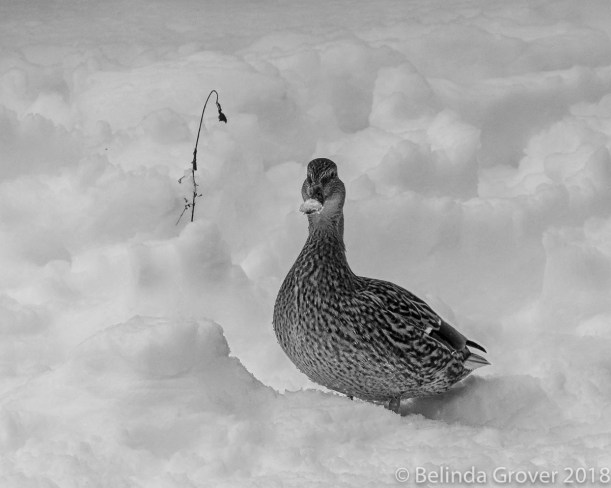
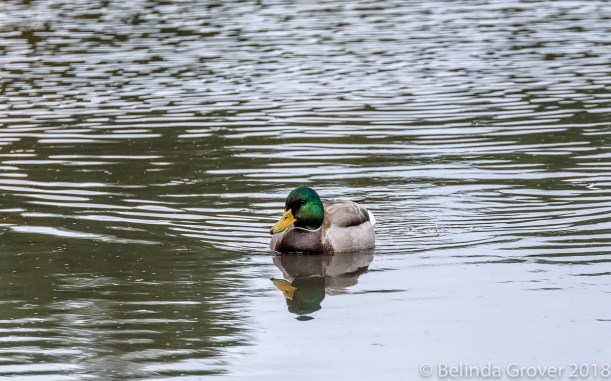
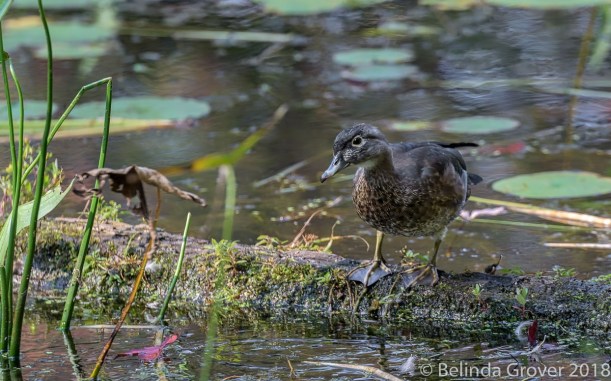
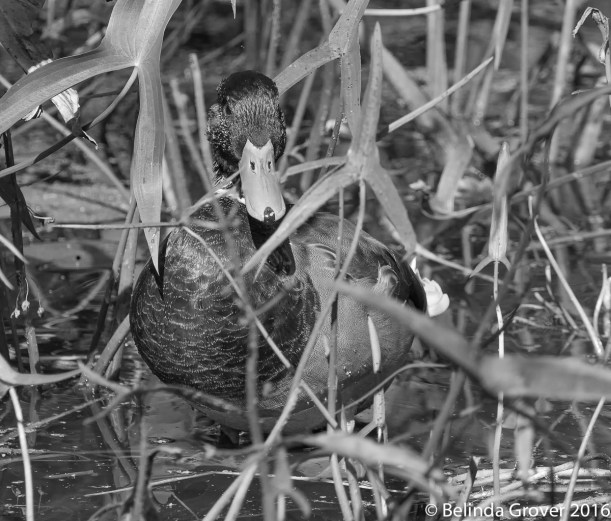 I featured a version of this photo several years ago. When I look back at some of my older photographs, I see what I might try differently. I converted the photo to black and white, reduced the clarity and saturation and removed a bit of vegetation that overlapped the mallard’s bill. I think it makes for a better photograph. My style and skill have developed over the years and it’s nice to see the progression. Of course when you have a subject like this you can’t go too far wrong 😊.
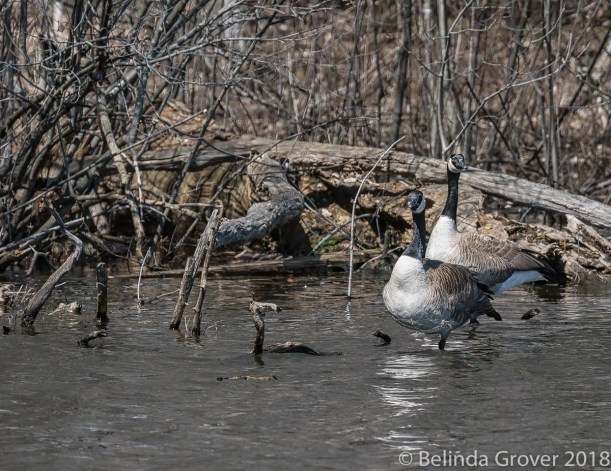
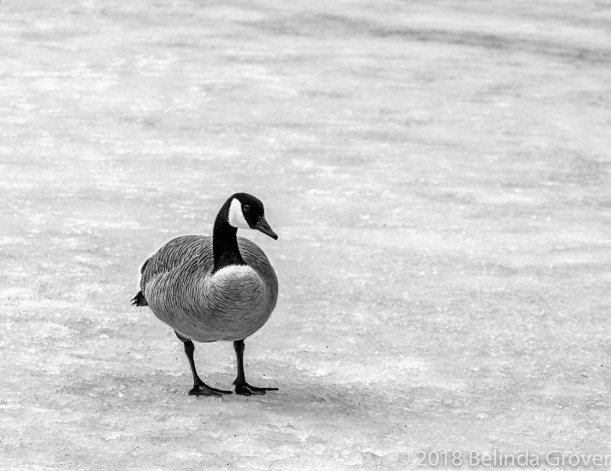
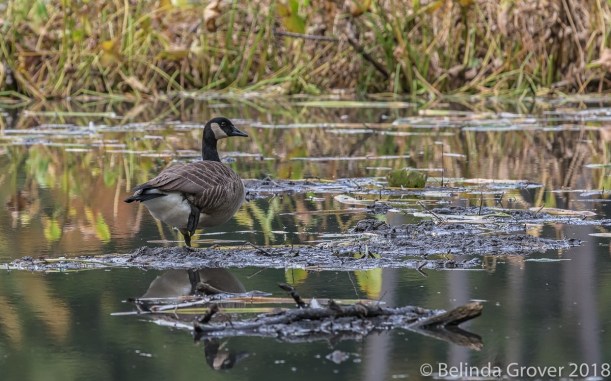 No one is indifferent to Canada Geese. Noisy, messy and gregarious; I like them best in photos like these, looking kind of smart. Fall reflections are a definite asset too.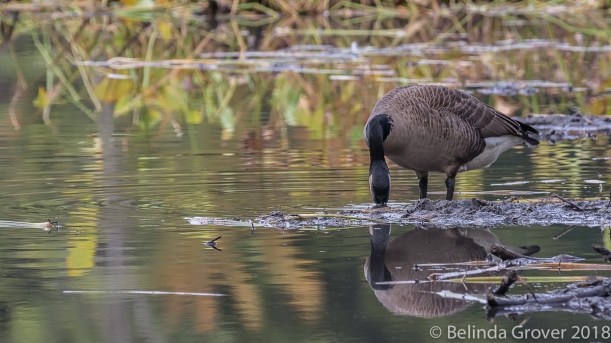
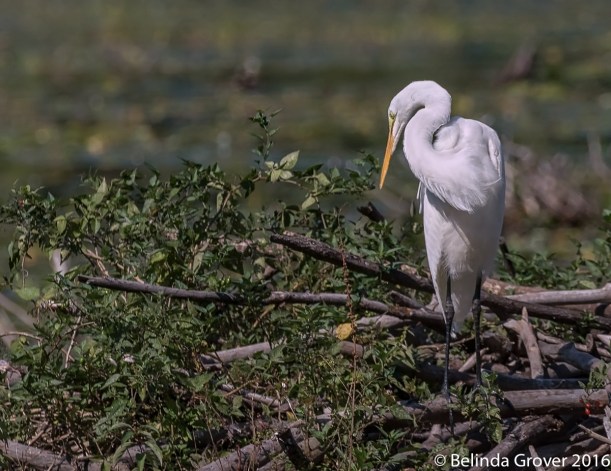 It’s unusual to see an egret perched on a beaver lodge, normally we see them wading in the water or fishing. The bird stood there for quite a while and I managed to get him in several poses, the first of which is shown here. Most summers we see several egrets and herons in this one location, not last year. The lake was very high which must have made for challenging conditions. They likely found some easier spots to fish.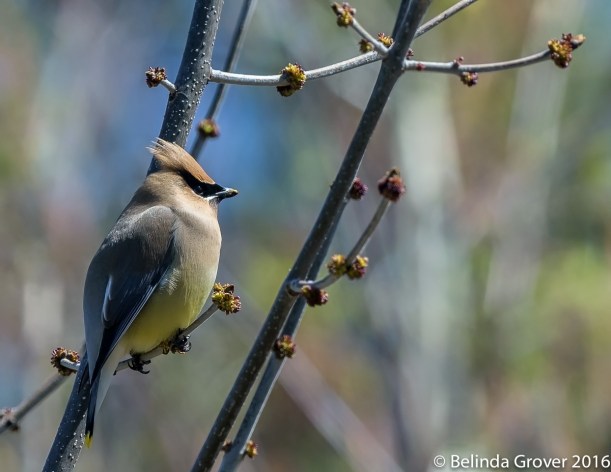
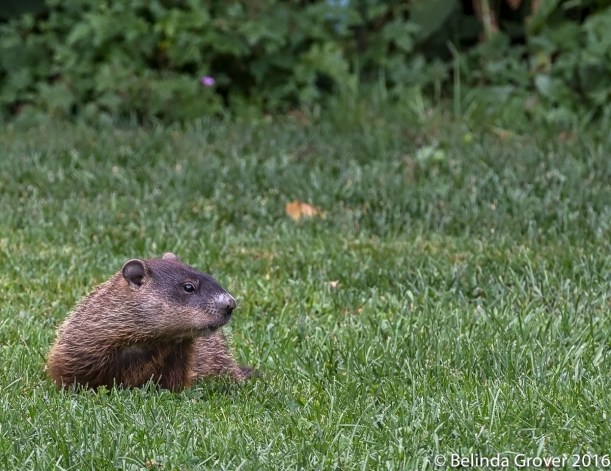 A bit late for a Groundhog Day post and too early to spot one out of its den. Groundhogs hibernate until March or April in our climate. No friend to farmers or gardeners as their burrowing can do serious damage and they like to feed off crops. They are cute rodents though and are funny when they freeze in plain sight as this one did.

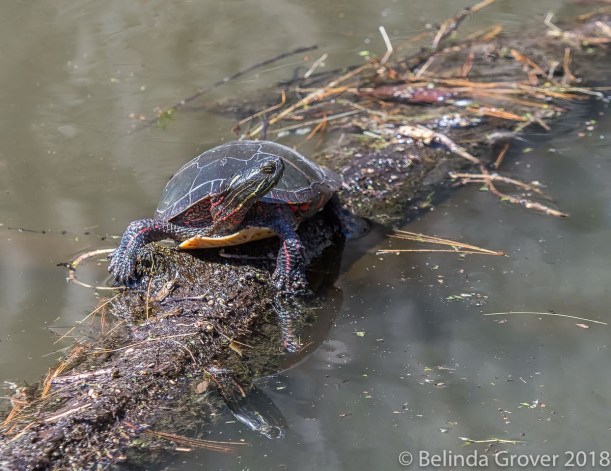 There are several kinds of turtles in our waterways. These photos feature two of them – the painted turtle and the Blanding’s turtle, which has a domed shaped shell and bright yellow throat. It’s on the threatened species list so it’s pretty exciting when we see one.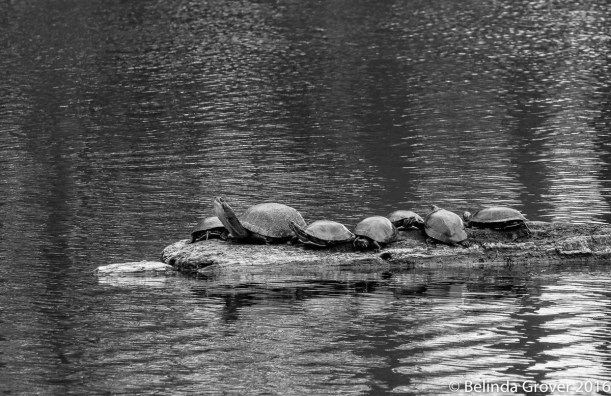
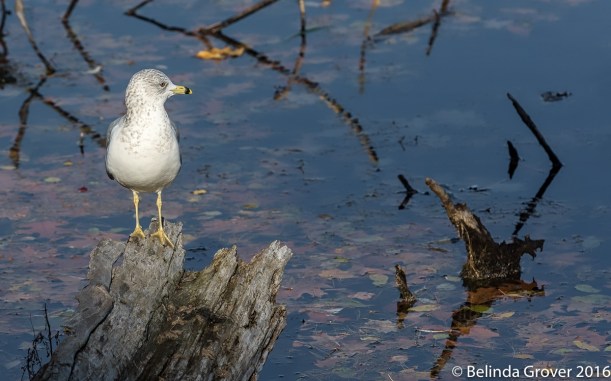 The Ring-billed gull is the most common gull in North America and like many birds migrates south in the winter. I took this photograph in November. It was nice to see the bird in a natural setting as they often congregate in city parking lots. It perched on the log for quite a while where I could appreciate its good looks, something I had never really noticed before.



 BELINDA GROVER PHOTOGRAPHY