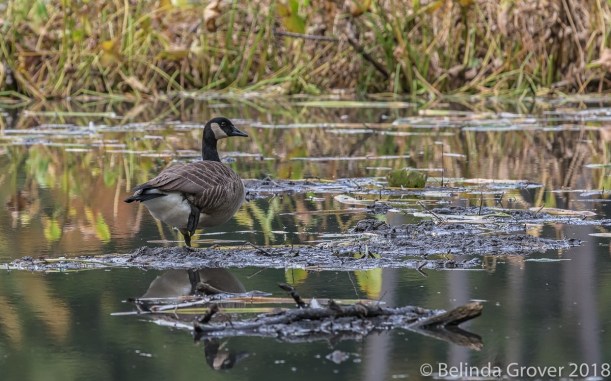
 No one is indifferent to Canada Geese. Noisy, messy and gregarious; I like them best in photos like these, looking kind of smart. Fall reflections are a definite asset too.
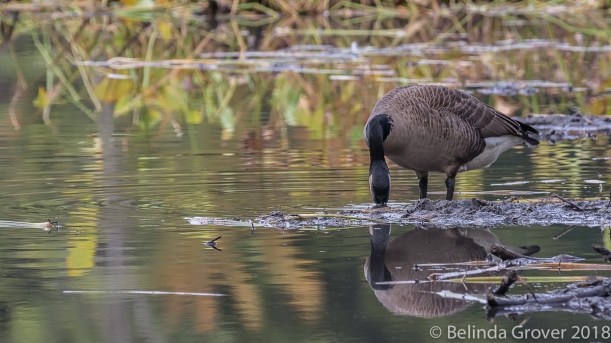

No one is indifferent to Canada Geese. Noisy, messy and gregarious; I like them best in photos like these, looking kind of smart. Fall reflections are a definite asset too.
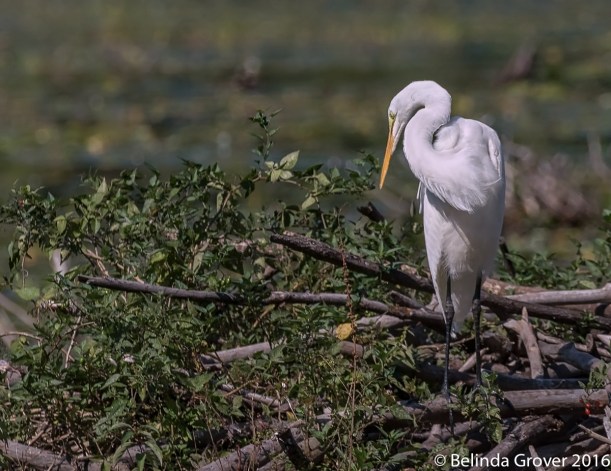 It’s unusual to see an egret perched on a beaver lodge, normally we see them wading in the water or fishing. The bird stood there for quite a while and I managed to get him in several poses, the first of which is shown here. Most summers we see several egrets and herons in this one location, not last year. The lake was very high which must have made for challenging conditions. They likely found some easier spots to fish.
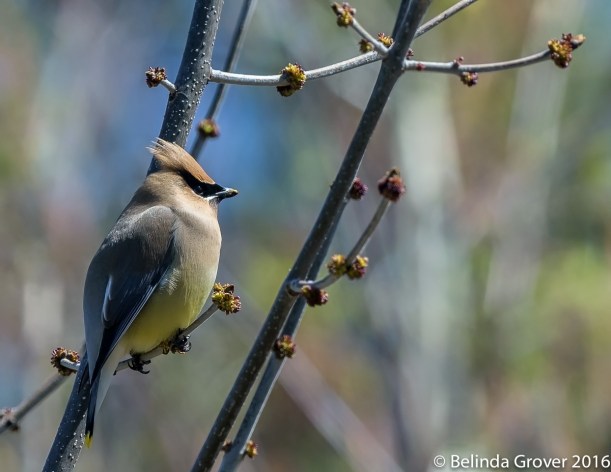
Another sign of spring is the return of cedar waxwings. We usually see them in a group or ear-full (as they’re known collectively) but I only saw this one bird. It was nice to get him out in the open before the leaves were out.
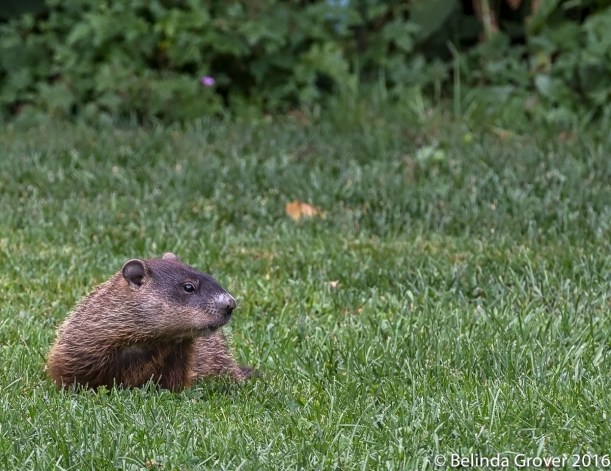 A bit late for a Groundhog Day post and too early to spot one out of its den. Groundhogs hibernate until March or April in our climate. No friend to farmers or gardeners as their burrowing can do serious damage and they like to feed off crops. They are cute rodents though and are funny when they freeze in plain sight as this one did.

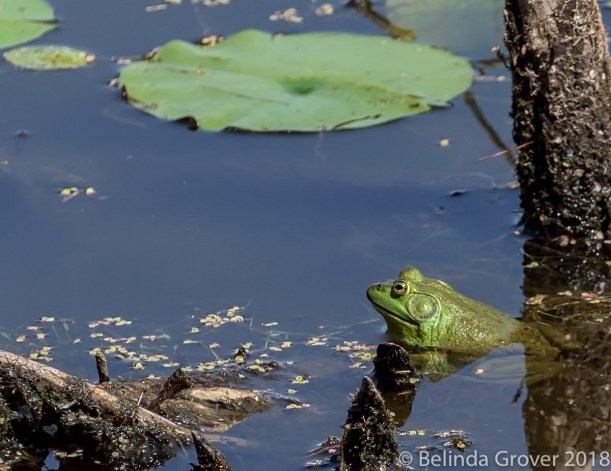
I liked the way the frog was posed on the lily pad, rather prince-like. The frogs in this cove are very small. You get a sense of this from the plants that surround them.
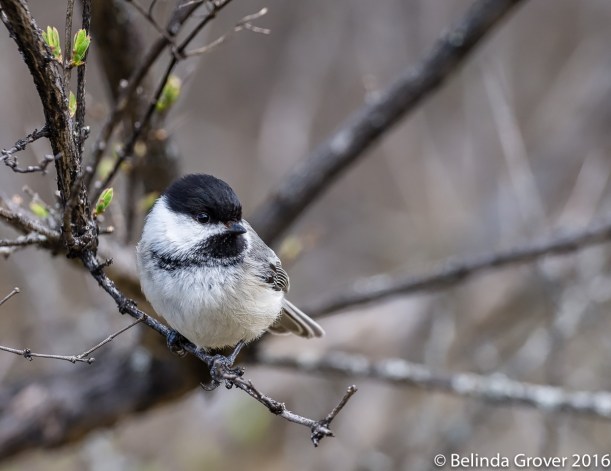
This photo was taken a few years ago in Spring. The trees are not in bud yet. They’re still covered in snow but we’ve turned the corner on winter; the sun’s a little warmer and the temperatures not quite as cold. As I’ve mentioned before, chickadees remain here year round and they too must be anticipating the warmer days to come.

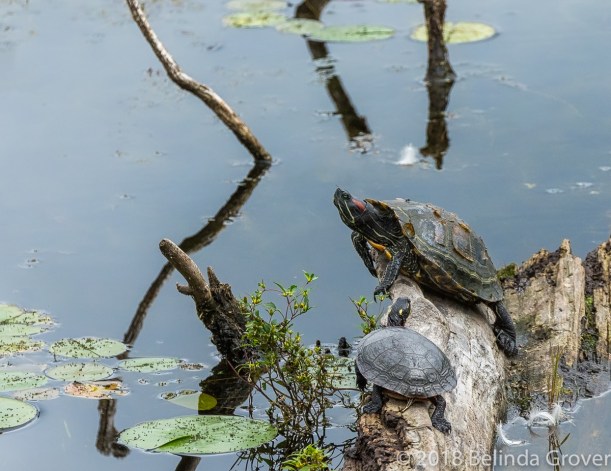
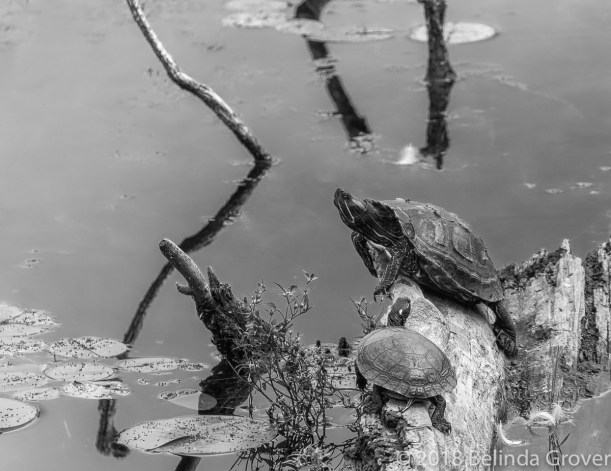
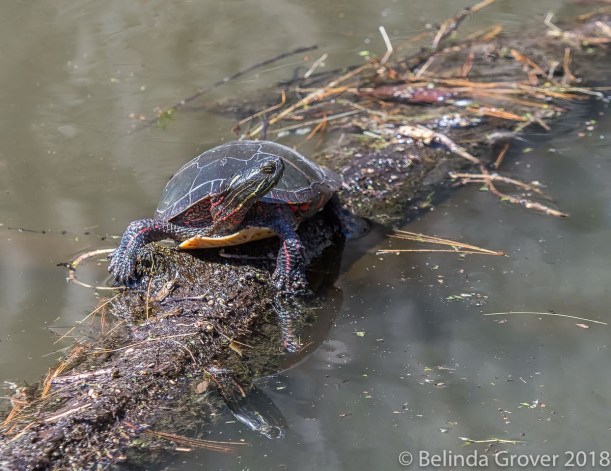 There are several kinds of turtles in our waterways. These photos feature two of them – the painted turtle and the Blanding’s turtle, which has a domed shaped shell and bright yellow throat. It’s on the threatened species list so it’s pretty exciting when we see one.
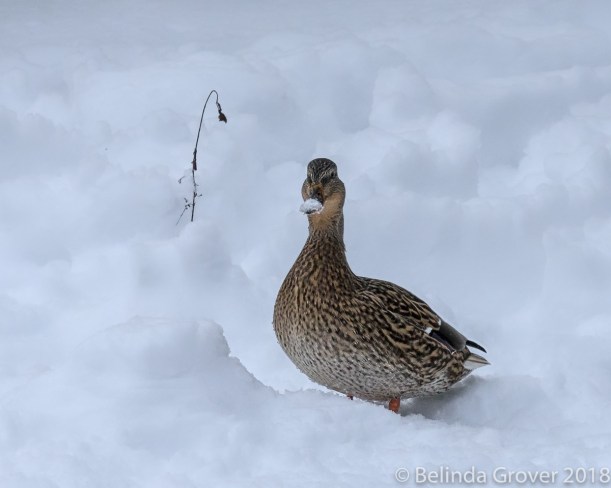
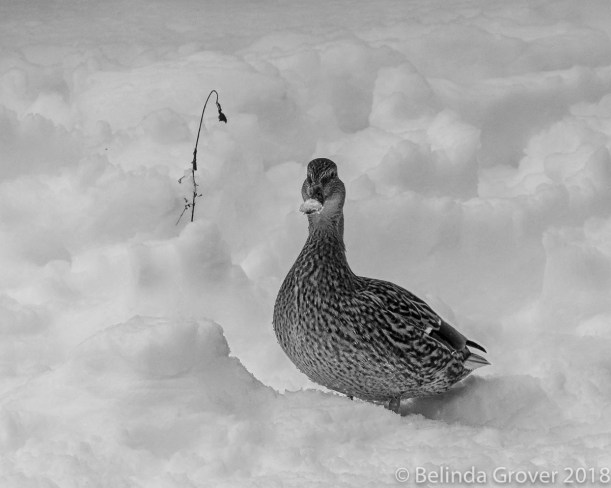
It’s been a long cold winter. The snow drifts are high beside the river. Mallards congregate here because this portion of the river is fast moving and doesn’t freeze. As we approached the river’s edge we fell in behind a man carrying a huge sack of cracked corn for the ducks. We stood back as the ducks mobbed the man. As we were leaving I saw this mallard a ways from the crowd and took this shot.
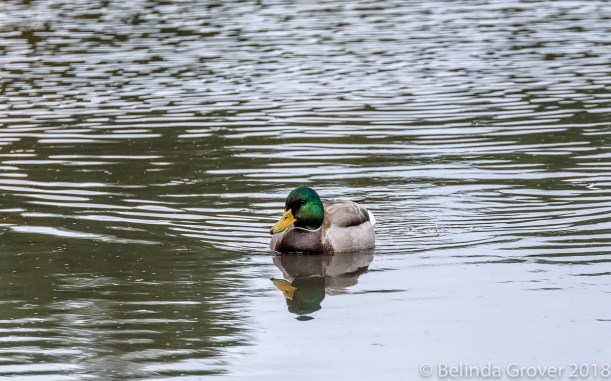
I liked the pattern in the water, so I centred the mallard. I broke the rule of thirds but I feel the photograph wouldn’t have been as good if I hadn’t.
At this point in the year (late fall), the trees are bare and on a cloudy day, the water takes on this sombre cast, relieved somewhat by the mallard and the ripples created as he moves through the water.
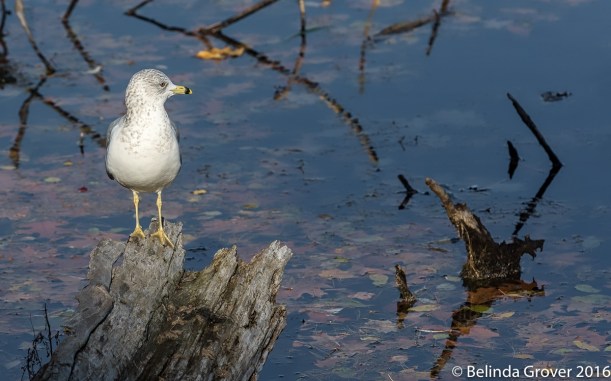 The Ring-billed gull is the most common gull in North America and like many birds migrates south in the winter. I took this photograph in November. It was nice to see the bird in a natural setting as they often congregate in city parking lots. It perched on the log for quite a while where I could appreciate its good looks, something I had never really noticed before.
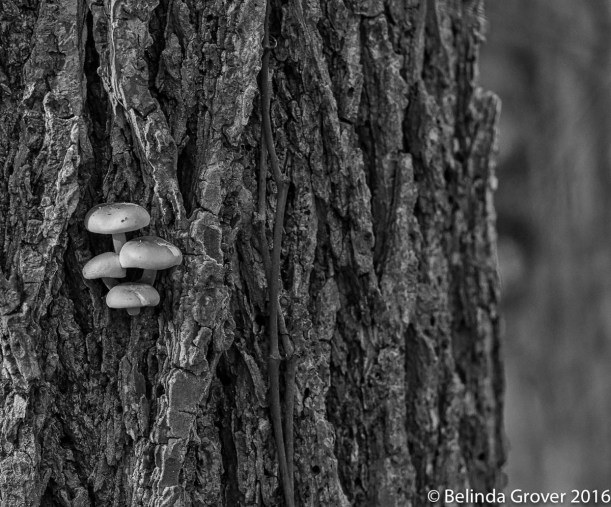
The fungi and vine on the tree trunk formed a very pleasing arrangement. Nature’s artistry. The bark of the tree added texture and detail.
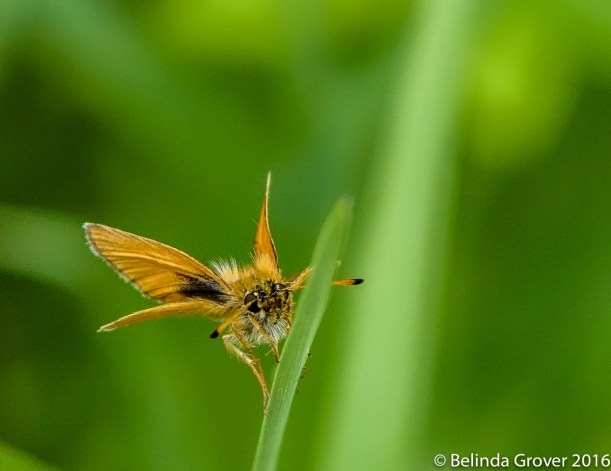
Another cheerful summer memory. We’ve reached the half way point of winter but it’s still too cold to get out with my camera. I’m waiting for +0 C temperatures. If and when that ever happens I’ll be out there😏.
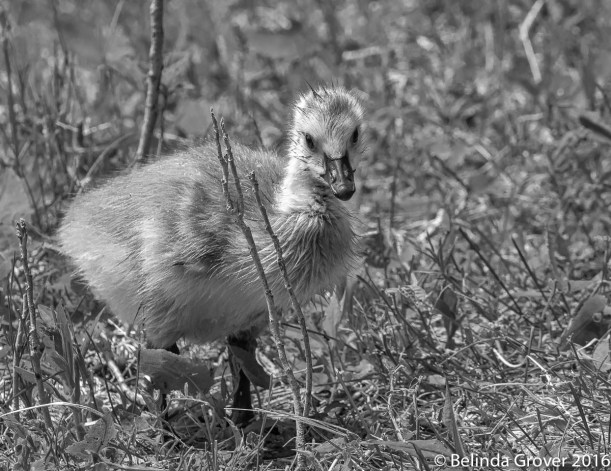
It’ll be a while before we see goslings or any other signs of spring. Looking through my catalogues I came across this photo, I took it on a June day a few summers ago. This gosling strayed a little from its parent and gave me this measured look.
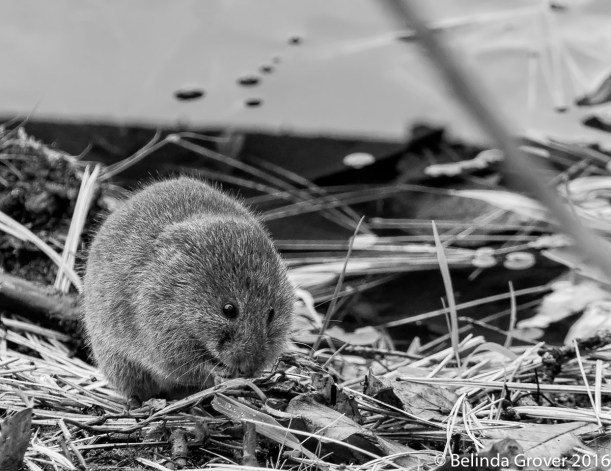
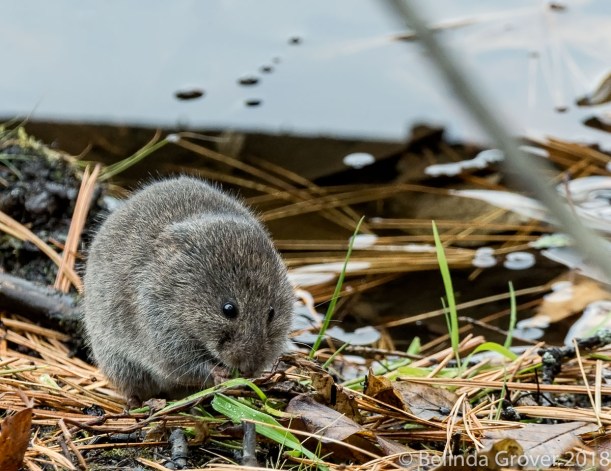
This cute little rodent is a relative of the mouse and is commonly called a vole or field mouse. It’s the only one I’ve ever seen and I was able to take a number of photographs as he was unaware of or unconcerned by my presence. He might have been a young animal that had not yet developed a sense of fear. I watched him for a while and then left him to his ramble.
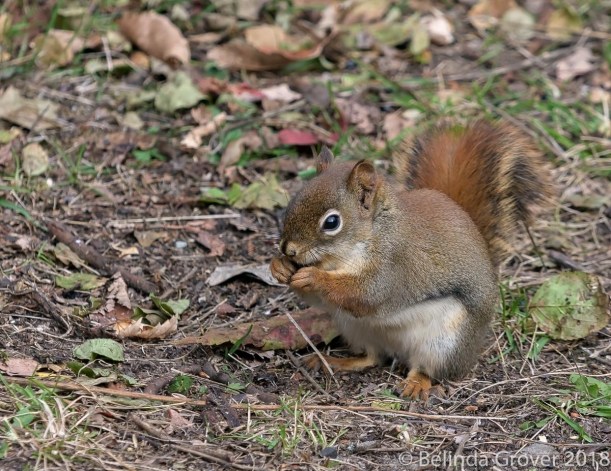
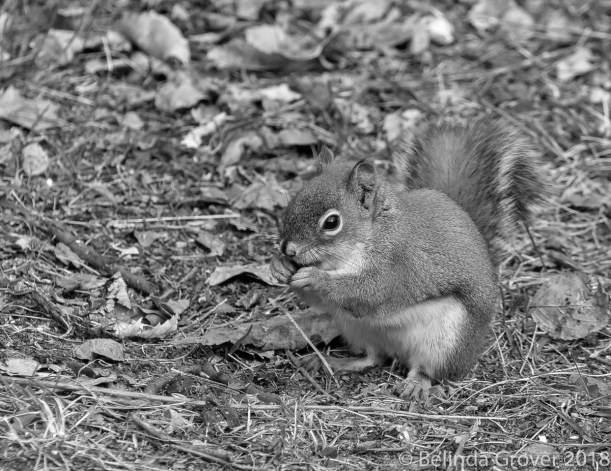
We saw more red squirrels last year than usual. They’re feisty, will often stand their ground with people and tend to chase the larger grey squirrels out of their territory. What they lack in size they make up for in temperament. We’ve had a prolonged period of extreme cold lately and you have to marvel at the toughness of these little creatures.
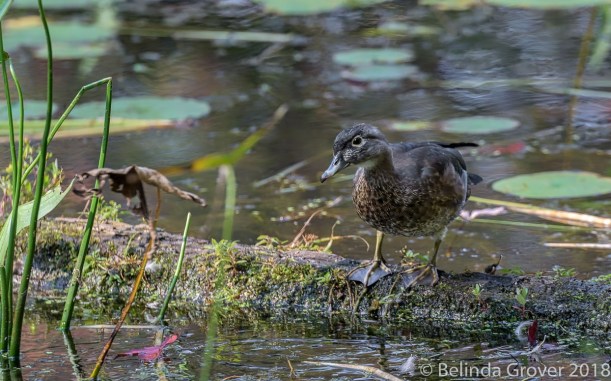
This young wood duck took her time before she glided back into the water. Most of the ducks remain together in groups, so it’s always nice to find one on it’s own enjoying a quiet moment. This lake has many fallen trees that provide comfortable perches for passing ducks and turtles along with great photo opportunities.


Although I took this photo in October the background suggests summer. The bird appears to be molting, another hint that the season was moving along. No matter the time of year, or less than perfect plumage, cardinals are always a delight.

Cottontails are known to come out at twilight or once it’s dark when it’s safer for them to feed, although I spot them during the day from time to time. Cottontails are solitary and territorial and I’ve never seen more than one at any one time. I approached this rabbit slowly. He was curious but didn’t seem wary of me. I took a quick photo and left him to the spring grass.
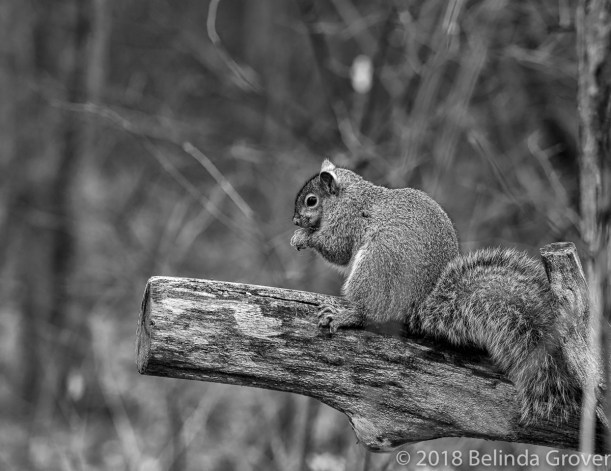
Before the snow arrived in mid-December there were still pine cones and seeds for the taking. Between storing food for the winter ahead, this eastern grey squirrel stopped for a bite. The trees were bare and provided little colour to warm the scene. I liked the way the black and white treatment brought out the detail and texture.

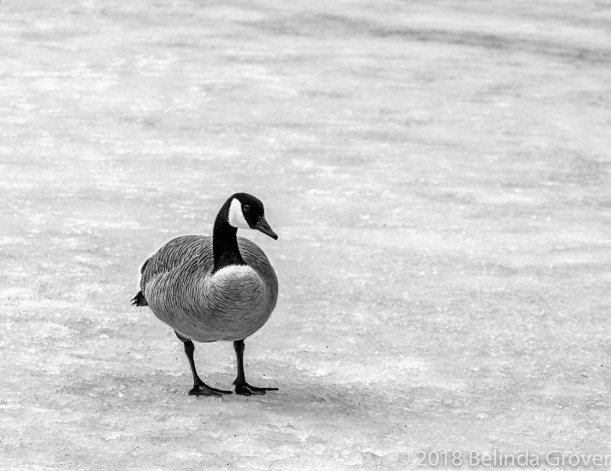
Shortly after this photo was taken late last March, the snow melted and spring returned. Canada Geese migrate south in winter and this goose had returned a little too early to find much to eat. Kind folk always bridge the gap and soon he was joined by returning mates.
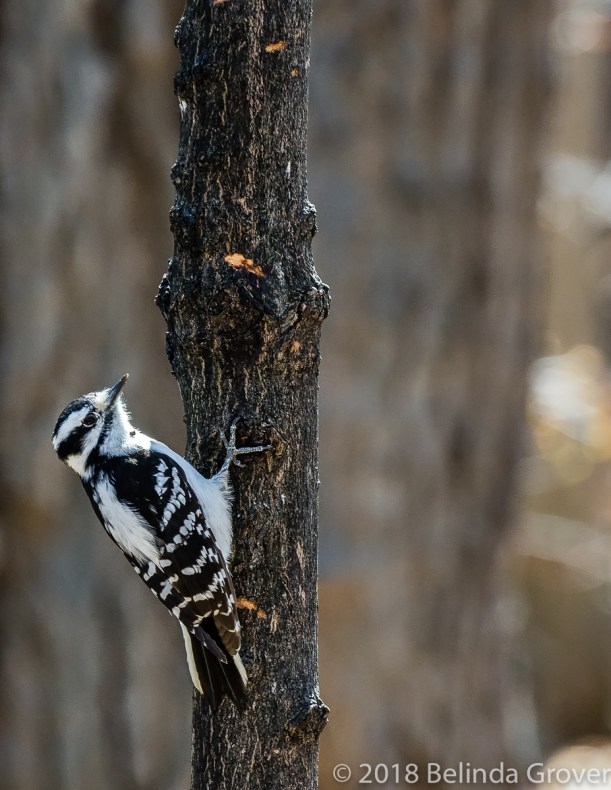
I heard her before I saw this downy woodpecker. She was drilling away for insects as I was walking by. As is often the case, you will hear a bird before you see it. Unlike her male counterpart which has a small red cap, the female downy does not but other than that they look pretty much alike.
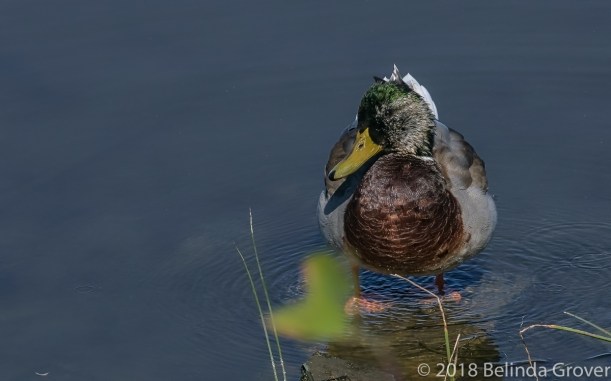
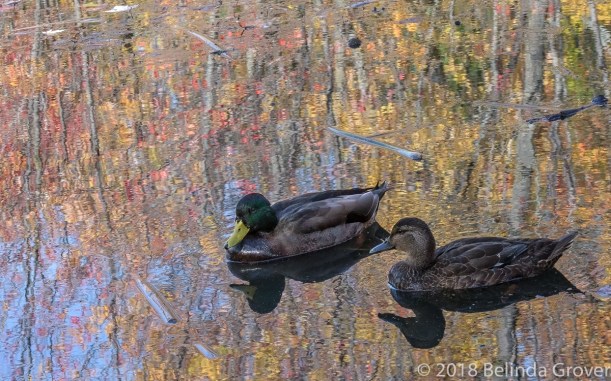
These photos were taken in October at different locations. The first by the river’s edge with low lying vegetation, the second photo of the mallard and his American black duck friend in a forest setting. In the first there is no mistaking the subject, in the second I believe the ducks share the stage with the brilliant fall reflections.
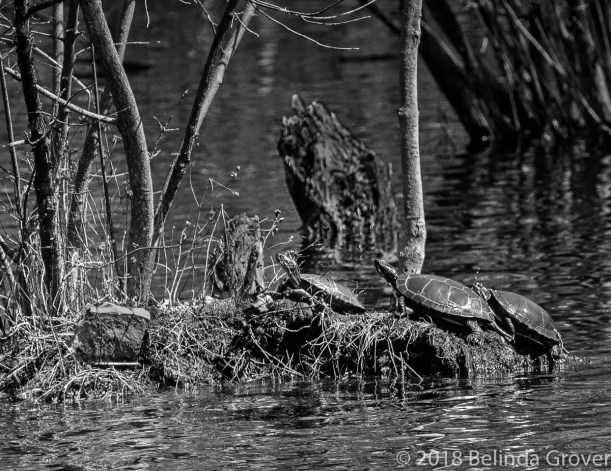
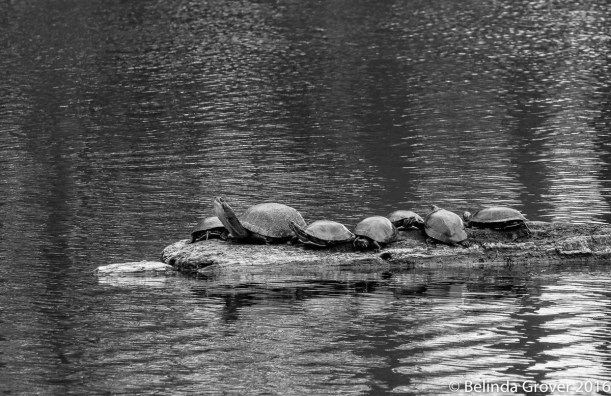
Painted turtles are common and widespread in our region. We usually see them sunning themselves along with their buddies in mid Spring, as soon as the sun gains some heat. They’re hibernating now, nestled deep in the mud of local ponds. I look forward to seeing them again in a couple of months.
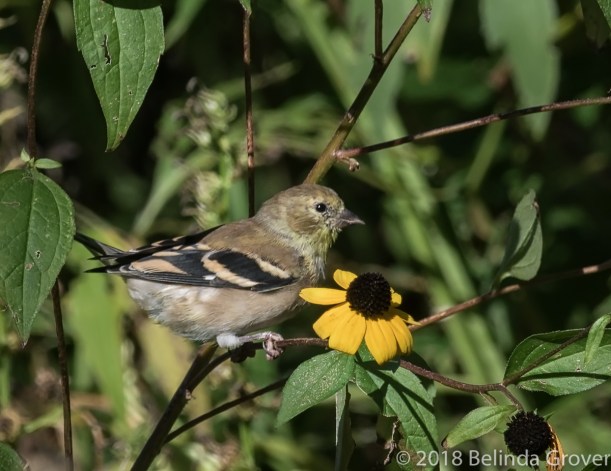
The goldfinch was moving between the late Fall sunflowers, feeding as it went. It seemed to have the field to itself as I saw no other birds around. It was quite acrobatic, most times balancing upside down. I was pleased to get this shot right-side up in perfect natural light.
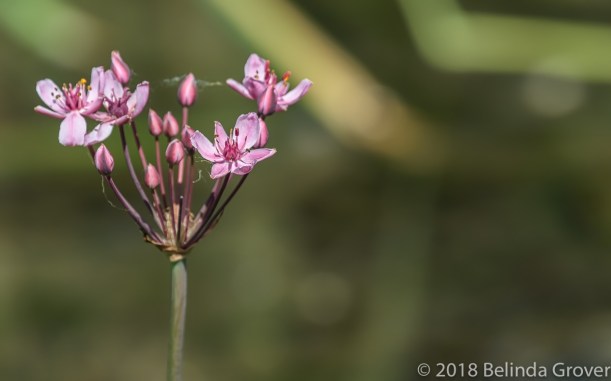
As the temperature continues to drop, photos like these bring summer back. So much cheerier than the view outside my window of drifting snow and icy streets. If the temperature gets above zero anytime soon I’ll venture out with my camera; too cold right now for it or me.
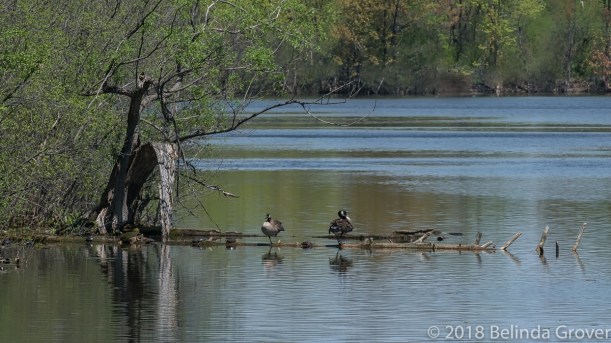
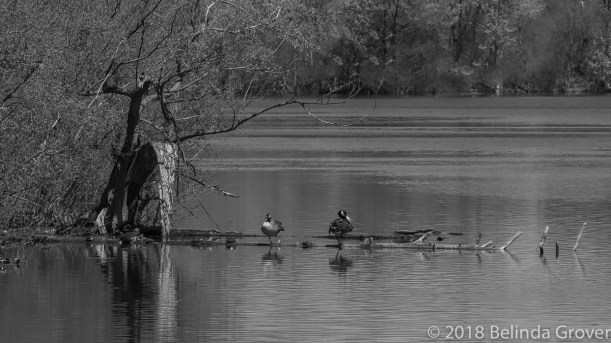
Geese and turtles that is. This old tree still attracts wildlife during the warmer months. Ducks, turtles and geese swim over and sit a while. Though not much of the tree is left standing I love it’s graceful silver arch. I’ve always known it in this spot and hope it continues to stand and provide enjoyment to visitors and wildlife well into the future.
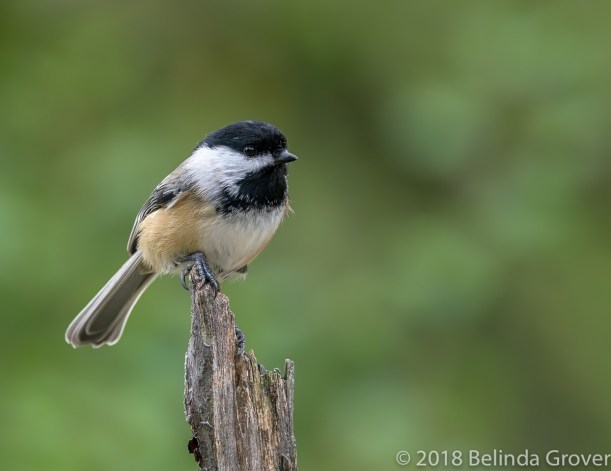
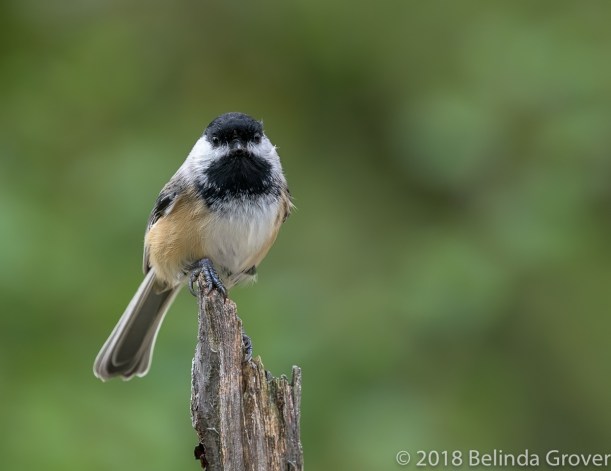
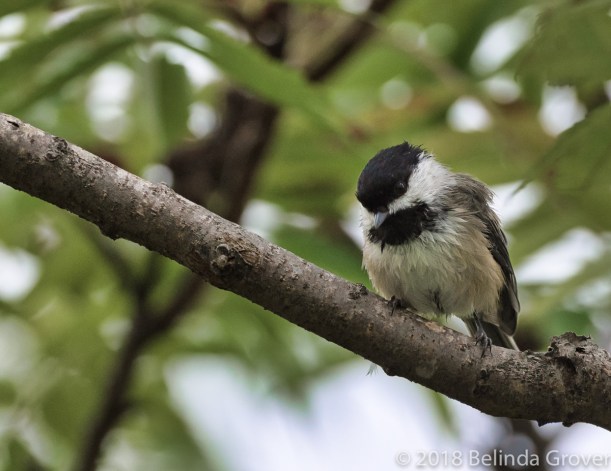
This chickadee was completely in the open and happy to remain so for a few minutes. There was a good distance between the bird and the trees which made for an attractive background. However, judging by the bird’s expression in the second photo, perhaps there was not enough distance between him and me!

I took this photo in the same marshland I featured recently. The frogs have found a spot quite close to shore among the lily pads and I often see them as I walk by. I caught this frog in a thoughtful pose.

Not getting out with my camera in the current -18C temperatures and craving a bit of colour I decided to highlight these fleabane daisies. They say summer, warmth and colour. When it warms up a bit I’ll venture out with my camera but until then I’ll relive sunnier times with photos like these.
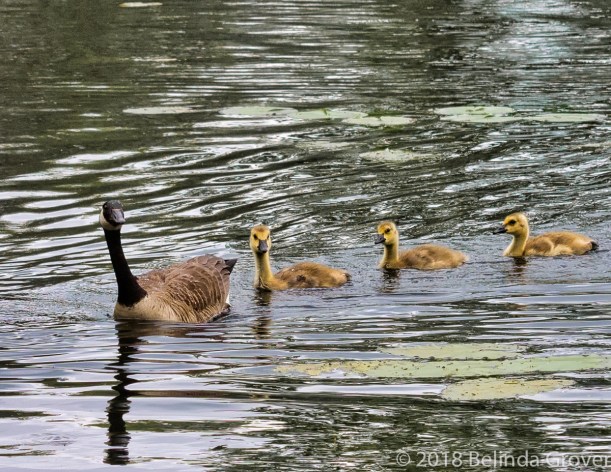
These goslings got their start this past June, the month when new bird life begins to appear in my corner of the world. We enjoy new beginnings then and now, the official start of the year. Happy New Year everyone!
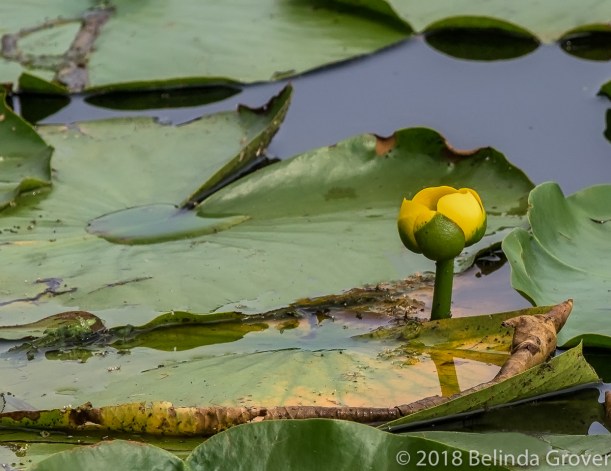
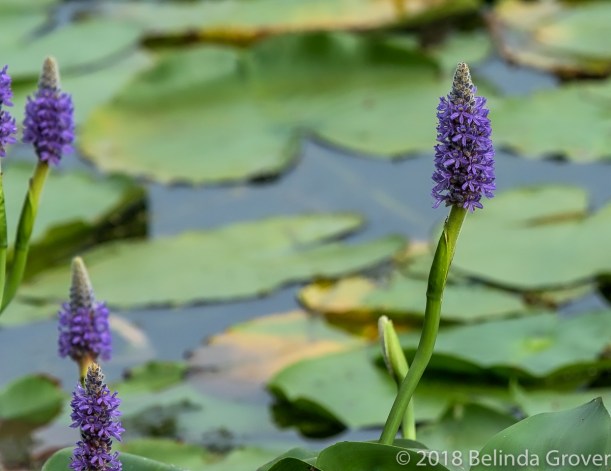
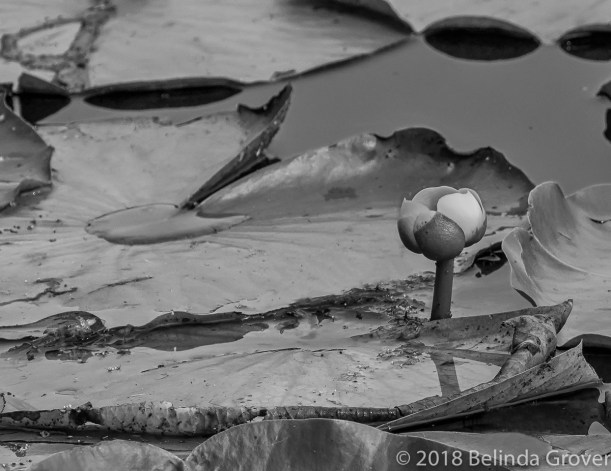
White water lilies are more common on our waterways but I do like to see yellow pond lilies. Their colour is so striking and where they appear you usually see pickerel weeds as well. A frog would have added an extra touch of green, more to come…
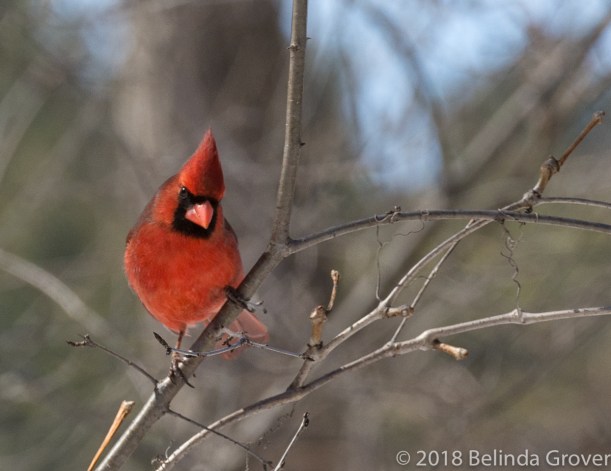
Cardinals rarely look placid particularly when their heads are on a tilt fixing you with a stare. This and their colouring make them great subjects. We see them in our woods all year round. On a cold snowy day seeing this red flash in the trees is always a bright spot.
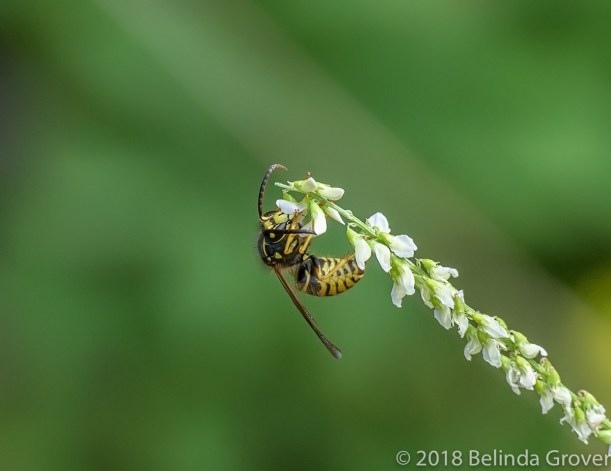
I took this photograph with my 70-200 mm lens. I do a lot of close up photography with it. As I’ve written before, I usually go out with one lens for the day. I had planned to photograph wildlife but I saw this shot and tried it. It goes to show that you don’t necessarily need a macro lens to do this kind of photography. If the subject is within range, I’ll always give it a go.
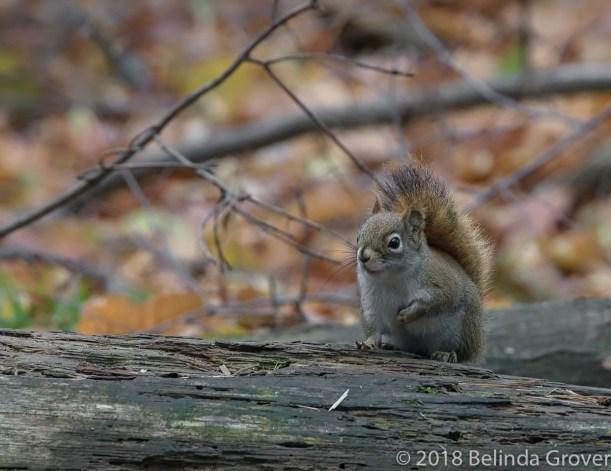
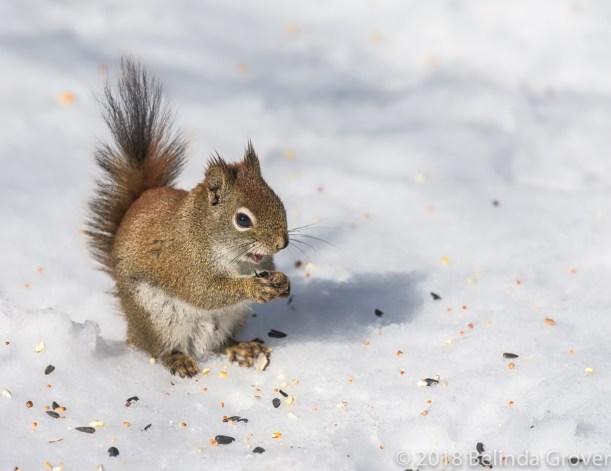
The first photo was taken in the fall and the second barely a month later; the landscape changes rapidly with the seasons. Red squirrels can be found all year long and seem to shadow you in the winter when food is scarce. In the photo below the squirrel found the seeds that someone had left and stayed put as I approached. I didn’t want to disturb him, so I took this photo and then left him to his meal.
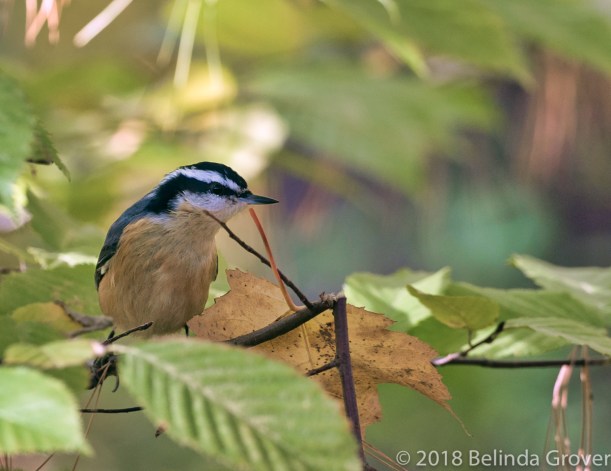
Nuthatches are flighty birds but this one stayed still for a while so I was able to take several photographs. He wasn’t foraging for insects when I photographed him so he remained upright instead of striking the usual sideways or upside down pose. Although considered quite common I rarely see a red-breasted nuthatch and was very pleased to see this one.
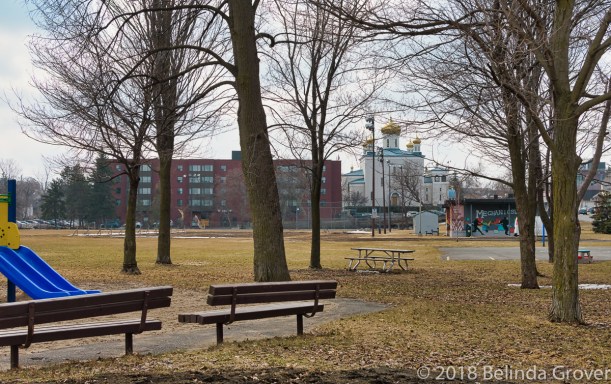
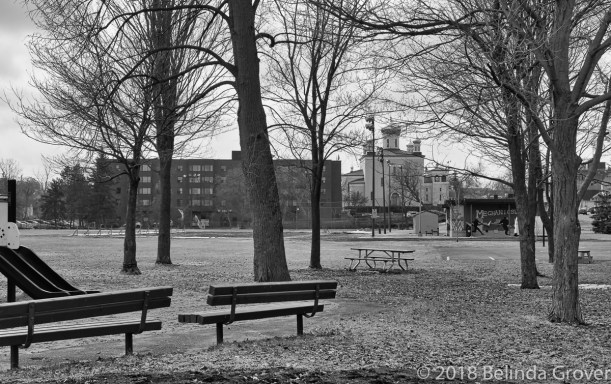
Late Fall. The playground is silent, the trees are bare, too cold for the kids and the birds! Most of the colour comes from man-made materials, until the temperature dips and the sun comes out. Then there is no bluer a sky or a white so brilliant as the new snow. These are the colours of Winter.

This scene is a perfect antidote to this late December day. I thought the image looked like a corsage designed by nature. The photo to me is less about the spider and the flower and more about the colour and delight of summer.

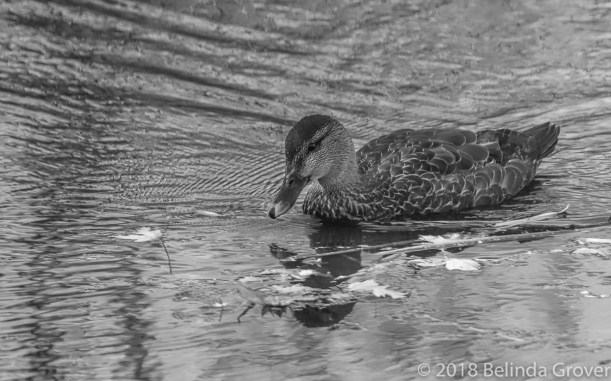
I took this photo in October. This duck like most others has long since flown south. The American Black Duck is vastly outnumbered by mallards in our waterways and I don’t see more than a few pairs all season. They appear less gregarious than mallards and are often in pairs or enjoying a solitary swim. There’s a lot to be said for their quiet, elegant ways.
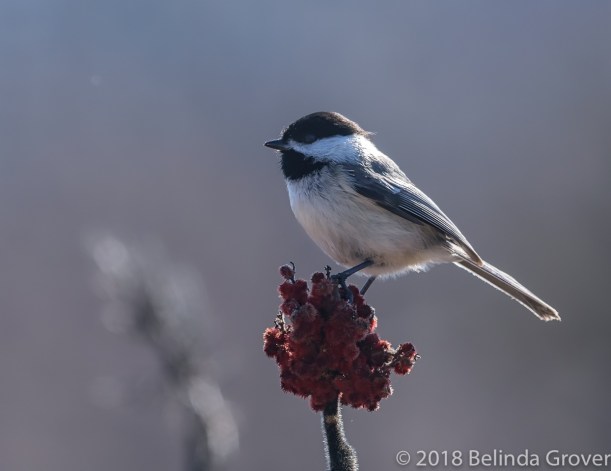
I always look out for these birds on my walks through the woods. They’re usually found along the path often flying away just as you put the camera up to your eye. These photos were taken in the spring and summer but chickadees are around all year and a little easier to photograph in the winter when they’re looking to be fed.
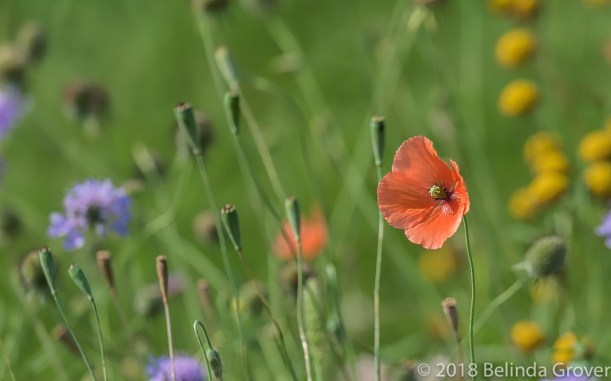
I live in Ottawa, the capitol city that is often ranked the coldest in the world. It’s hard to believe that only a few short months ago the nearby fields were covered in flowers. Here’s a sweet reminder of what’s to come.