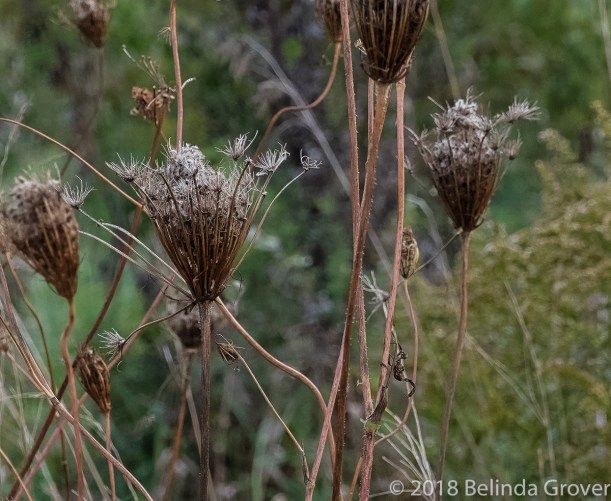
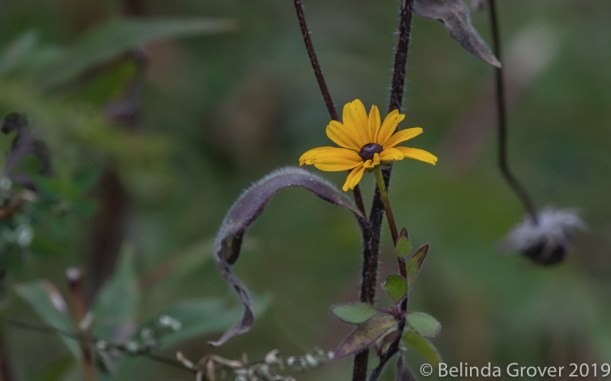
 Since I took this photo, we’ve had snow, freezing rain and a week of -C temperatures. The weather has moderated a bit but scenes like this are over until next year. Thank goodness for my photo catalogues where I can retrieve sights like these.
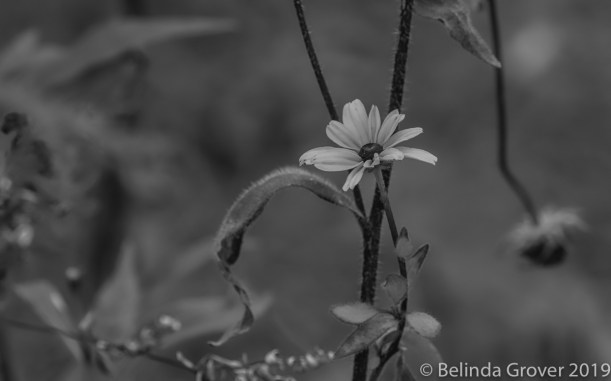

Since I took this photo, we’ve had snow, freezing rain and a week of -C temperatures. The weather has moderated a bit but scenes like this are over until next year. Thank goodness for my photo catalogues where I can retrieve sights like these.
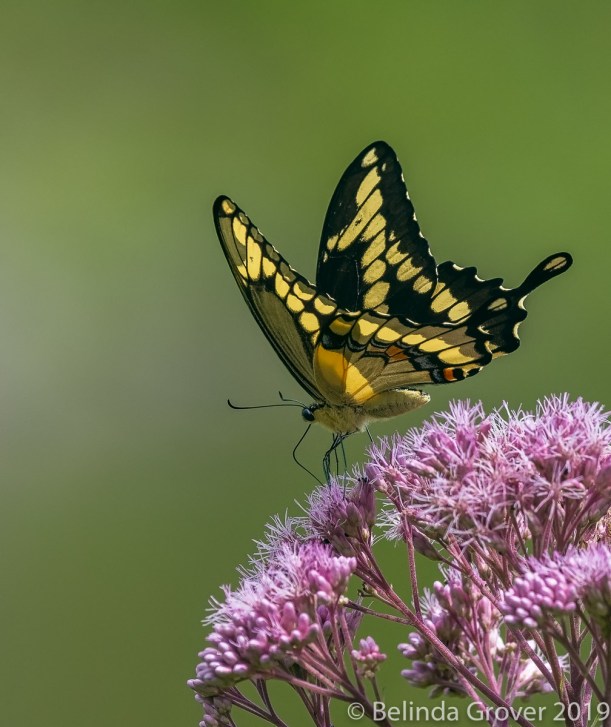 I saw the last swallowtails of the year in August although other butterflies were still around until early October. A very good year for them all. The swallowtail made picture taking very easy as it lingered on the Joe Pye weed, a plant they love.
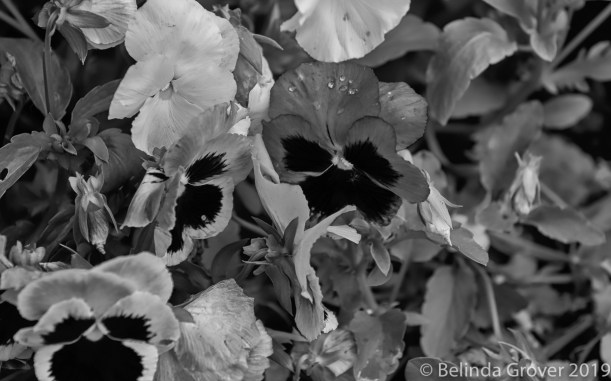
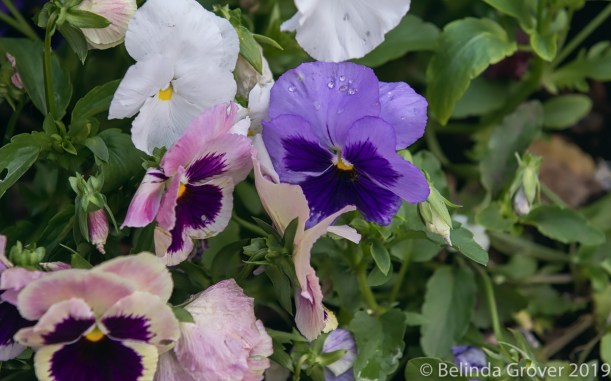 With the temperature in the minus single digits today, I thought some summer cheer was in order. I had taken this photo shortly after a rain and the flowers practically shone. They appear to have an old fashioned quality which I like as well.
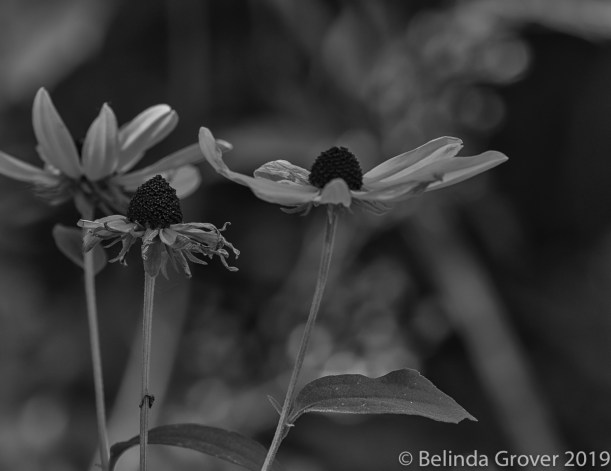 These were taken earlier in the month. Most of our wildflowers have gone to seed but a few still remain, including these hardy wild sunflowers. We’ve only had a few nights that have dipped below the freezing mark and the days have been mostly sunny so the flowers might last a bit longer.
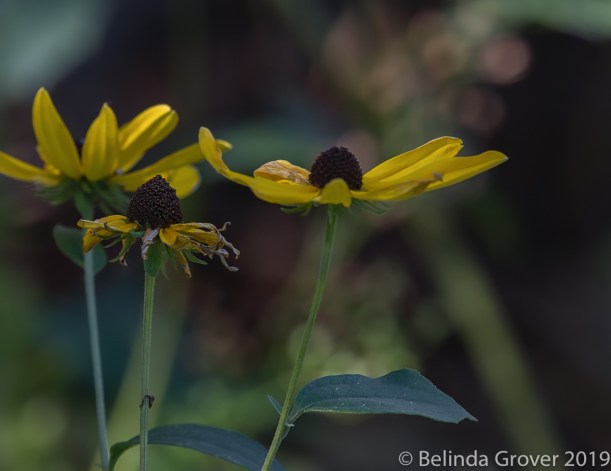
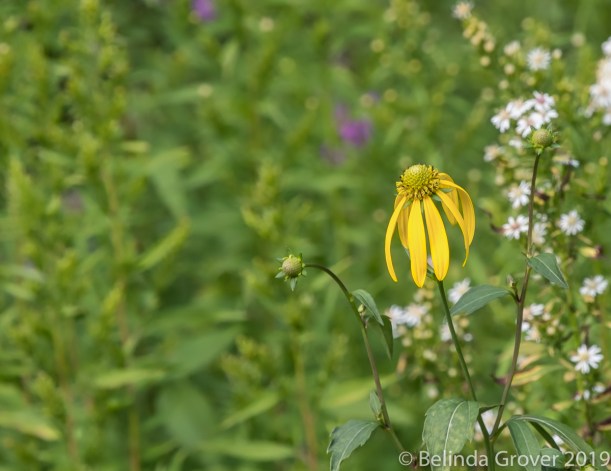 With a frost advisory on the way tonight I thought it was time for another look at some late summer flowers. These were taken mid-September; the first in a field, the second in a neighbourhood garden.
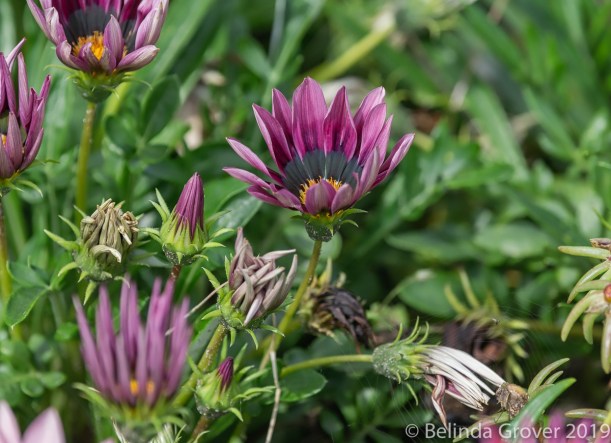
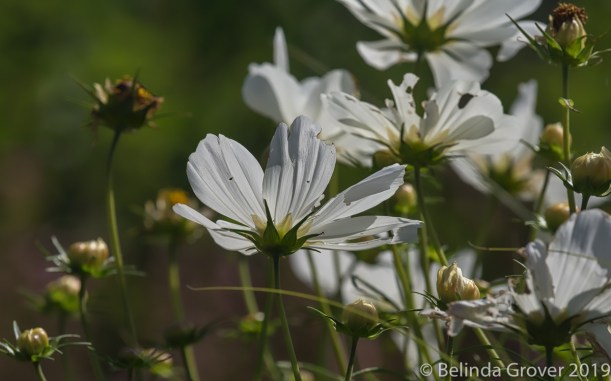 I came upon these faded beauties on a recent walk, a few more still to bloom. The flowers take on a special beauty as the season draws to an end and summer lingers just a little longer.
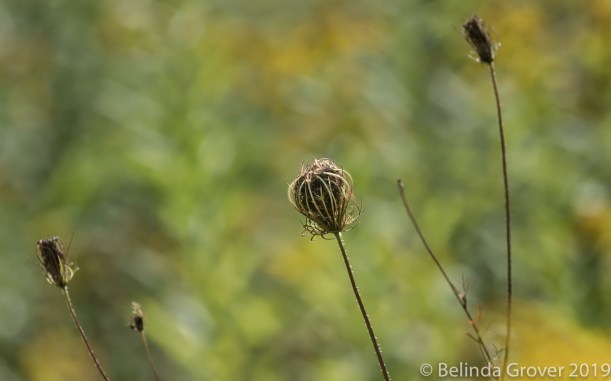
It’s not quite fall but a good number of flowers are wearing their turn of season appearance. Queen Anne’s Lace is no exception. It was framed by some goldenrod that created an attractive background glow.
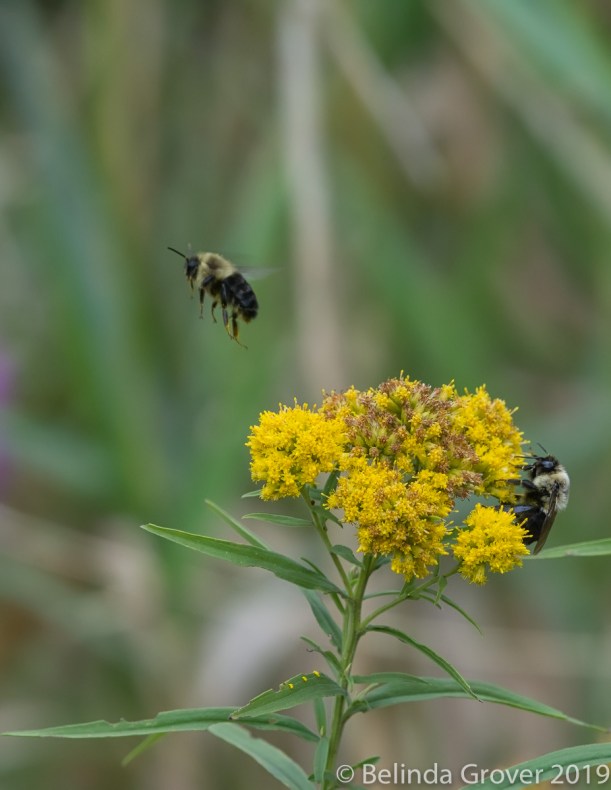
The bees are making the most of the late summer flowers. They were everywhere that morning. Some worked together, some worked alone and some like the bee in the first photo didn’t want any company.

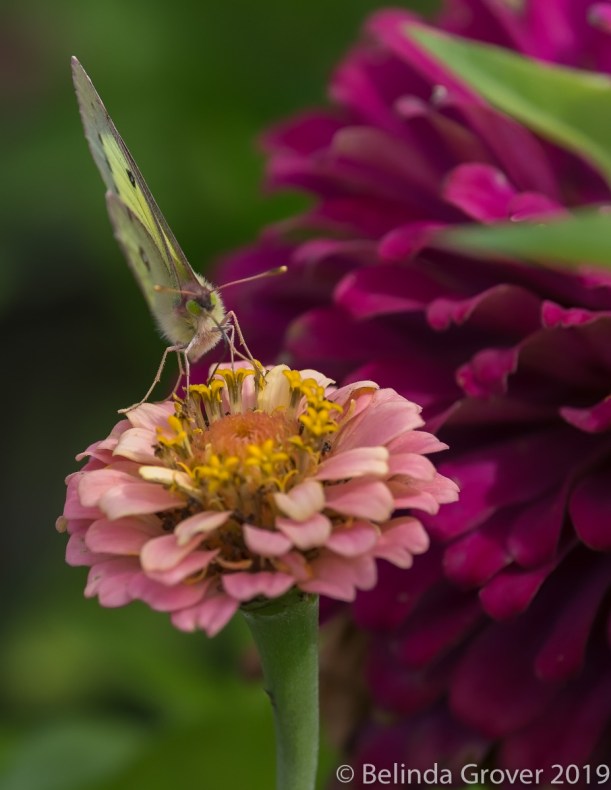 It’s been a terrific year for butterflies in my part of the country. When visiting a local botanical garden, in among the clouds of painted ladies was this solitary sulphur butterfly. I went back a day later and I saw it again. Unlike the painted ladies who were constantly on the move, the sulphur, Pink-edged or Clouded (I’m not sure which) savoured the nectar for a while.

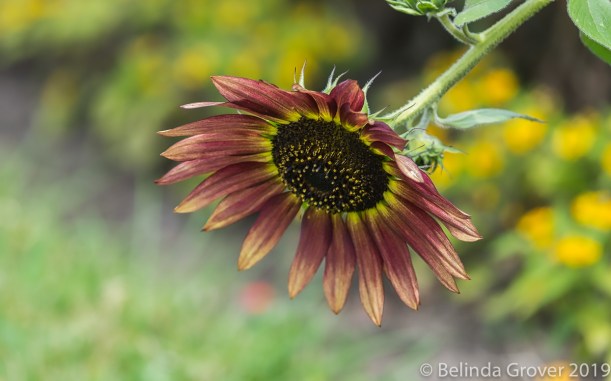 I’ve never seen a sunflower this colour before. It seemed rather fitting for this time of year. The sun isn’t as bright or warm as even a week ago and this flower seems to fit in perfectly with the changing season.
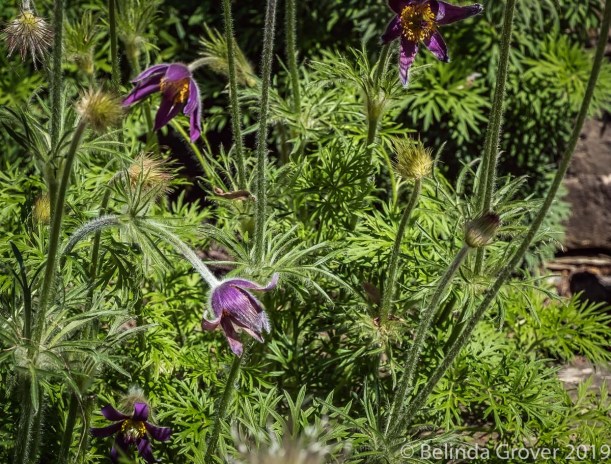 I wish I could remember where I took the photo above, as I would return to see how the garden looks now. I liked the untamed look to the place and exotic flowers growing there. The second photo was taken in my neighbourhood. I return every year to photograph these yellow flowers against the brick wall of the house.
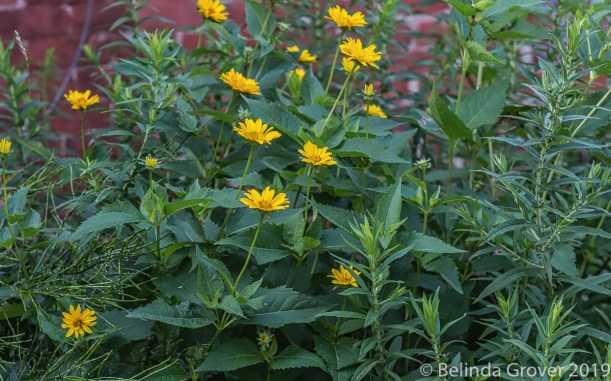
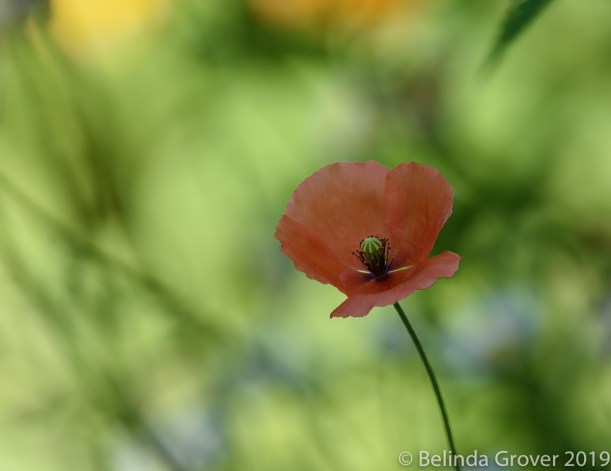 Poppies grow here for a very short period in summer. Their brilliant colour makes a mark on the landscape. Even against a brilliant backdrop they are standouts.
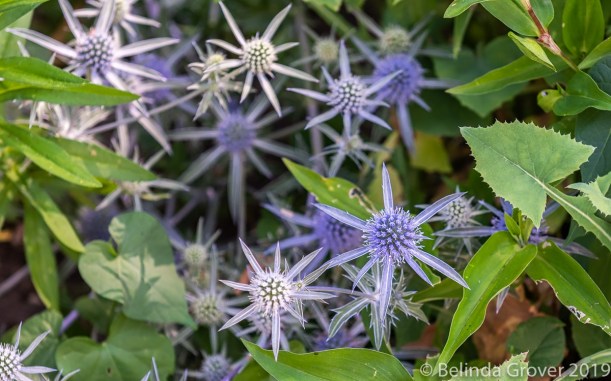 Different flowers, the first ones from a garden, the second growing in the wild. They both have an untamed quality to them. The violet flowers reminded me of underwater plants you’d see moving in a sea current. The others were found along a path and I took the shot just as the wind was lessening.
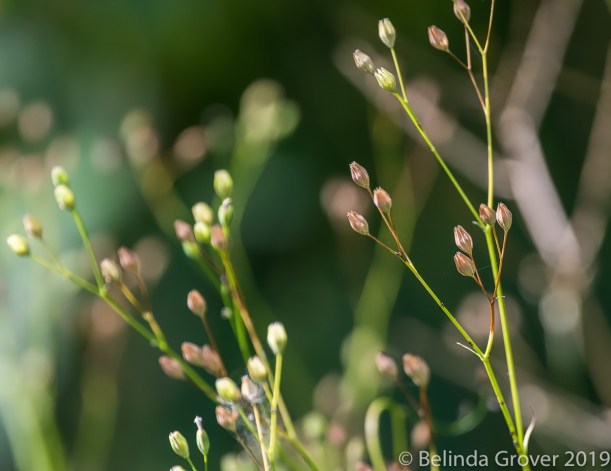
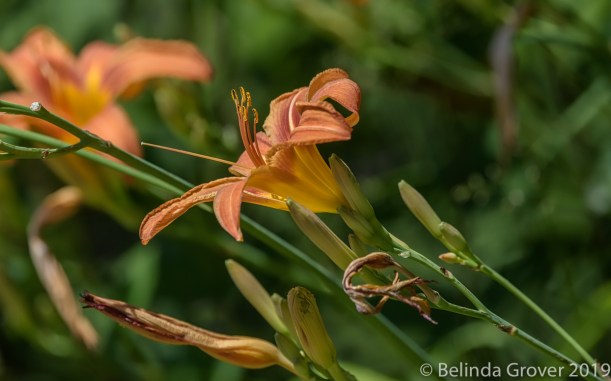 The daylily is showing up everywhere at this point in the summer; in gardens, fields and roadsides. Not native to North America, they do beautifully here and are another flower I look forward to. The wind picked up as I was taking the photograph. The focus is a bit soft but I think it adds realism to the shot.
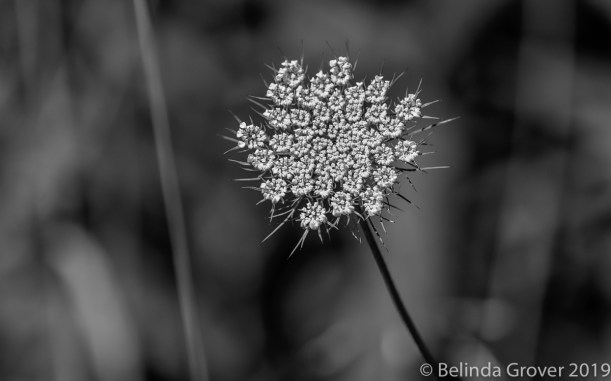
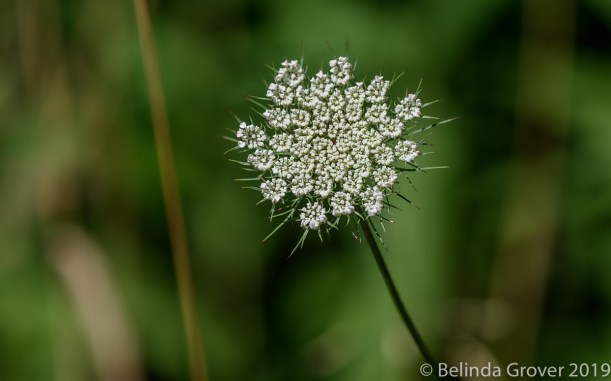 Queen Anne’s Lace is everywhere right now. In fields, vacant lots, on roadsides, wherever there’s sun and a bit of earth. It’s classified as an invasive weed but it also produces this lovely flower. In the fall the flower dries and takes on the appearance of a “bird’s-nest”, its colour complementing the landscape.
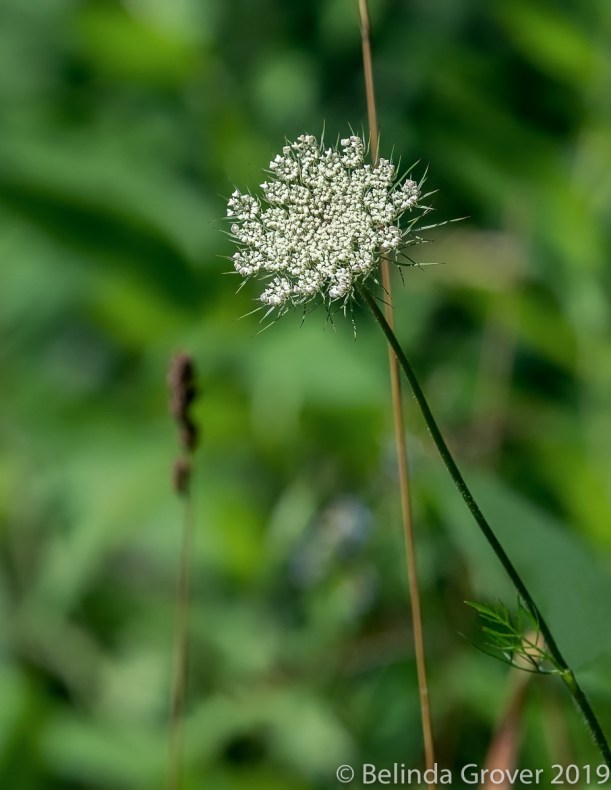
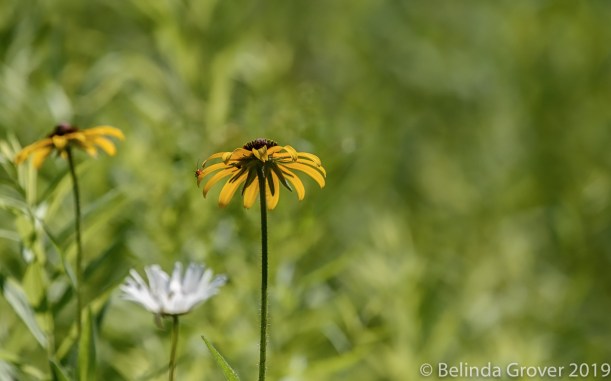 Black-eyed Susans appear midsummer like clockwork. The flower was on slightly higher ground than the path I was on and I liked the angle. I only noticed the soldier beetle on the flower (to the left) when I looked at the image on my computer screen. As I said in a recent post, if you see one of these beetles it’s likely there are more about.
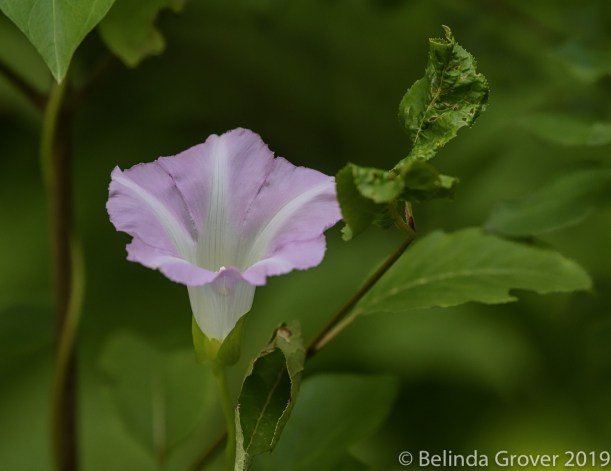 Bindweed or Wild Morning Glory is a beautiful looking flower but can take over a garden, wrapping itself around other plants and smothering them. I saw this flower in the wild; the early morning light providing a nice soft box effect.
 I’m not a great fan of flies but they can make engaging subjects, particularly the pollinating kind like this one. There’s a tiny garden maintained by a local business association that plants a variety of wildflowers every summer. I was walking by when I spotted the fly on some milkweed.
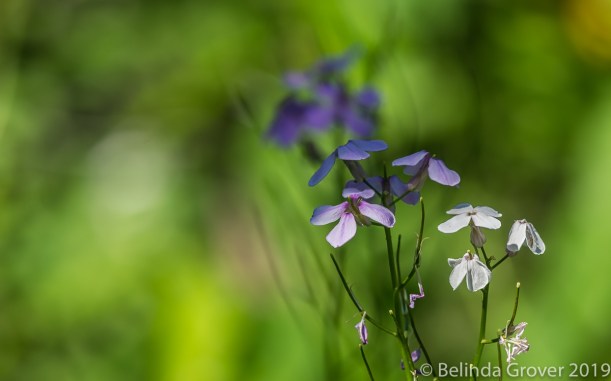 One of my favourite things to photograph in summer are wildflowers. They will grow just about anywhere that has plenty of sun, including roadsides and big open fields. Open fields are best as they carpet the ground for great distances.
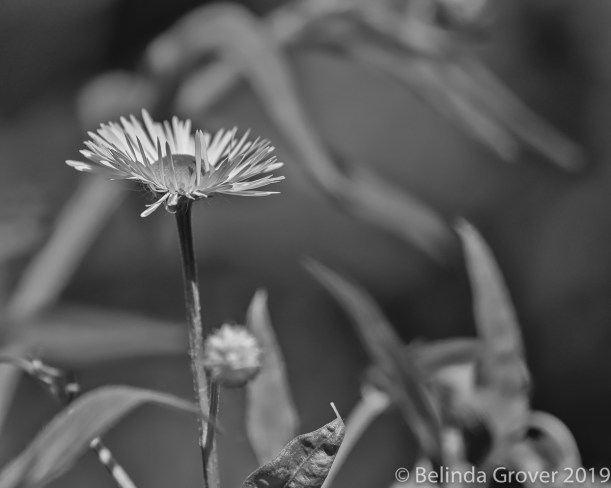 There’s something innocent about a daisy but the photo’s background suggested something a bit sinister. Although my eye was attracted by the flower I think what was behind it made the photo more interesting.
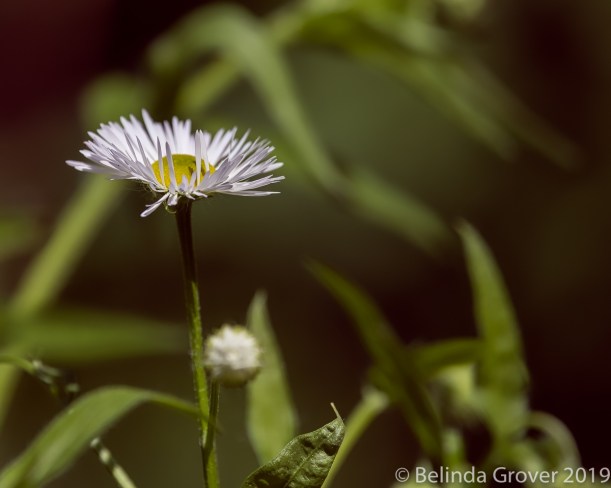
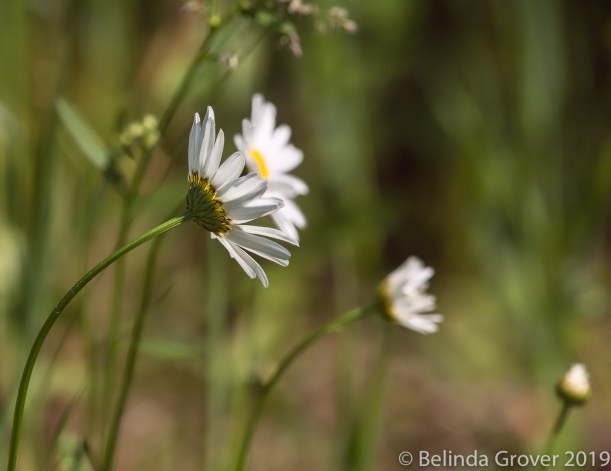
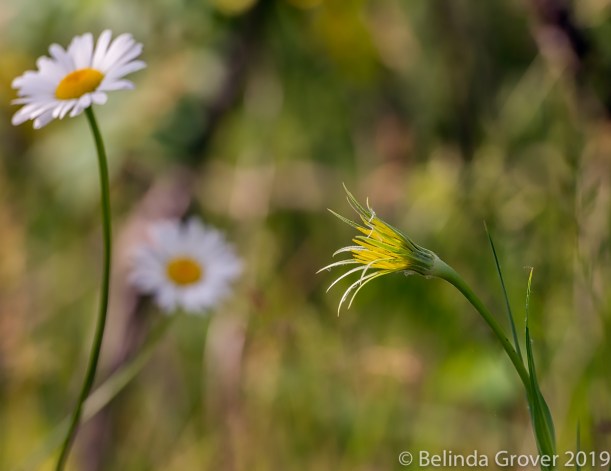
It’s a challenge to photograph flowers when the wind picks up a bit. Daisies can be seen in the fields and along roadsides everywhere right now. The goat’s beard is a less common wildflower and I’m always pleased to be able to photograph one.
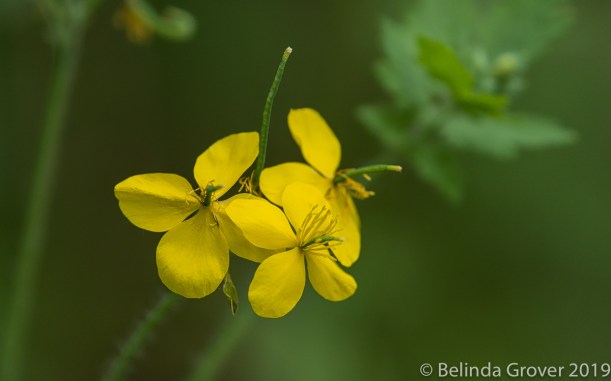
With the arrival of the warm weather in the last couple of days, I don’t know where to look or point my camera first. What a great feeling!
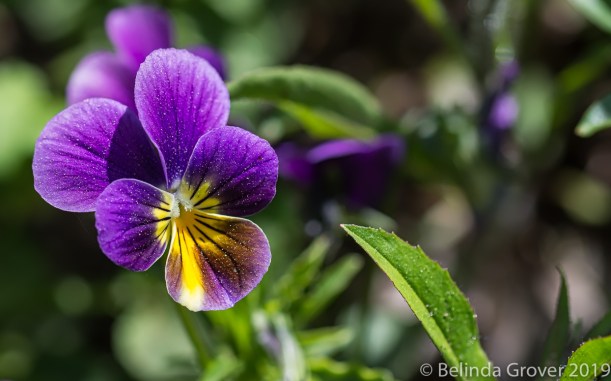
 The Red or Canadian Columbine and Wood Poppy are wild flowers that grow in Eastern North America this time of year. I took these photos at the Wildlife Garden I mentioned in yesterday’s post. Between the birds and the flowers we’ll be visiting there as often as we can. We also stopped by our local nature reserve to see if it had reopened, it’s still closed due to high water levels. 😏
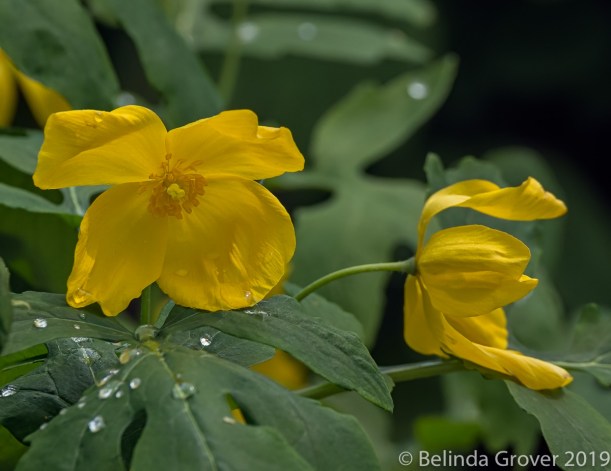
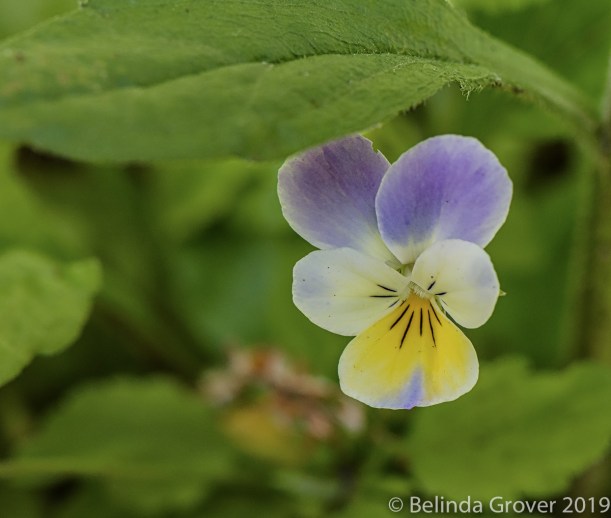 Spring flowers, one cultivated, the other wild. Similar colour and attitude as well. Despite our cold spring they appear on schedule to celebrate the season.
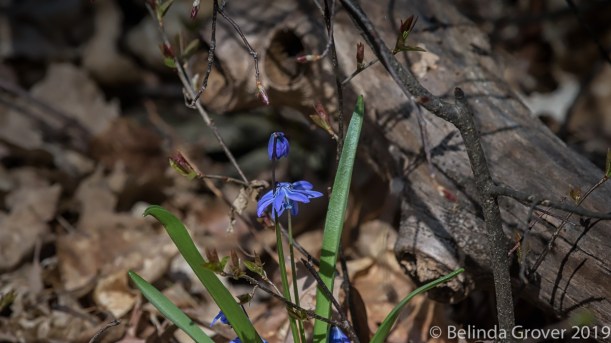
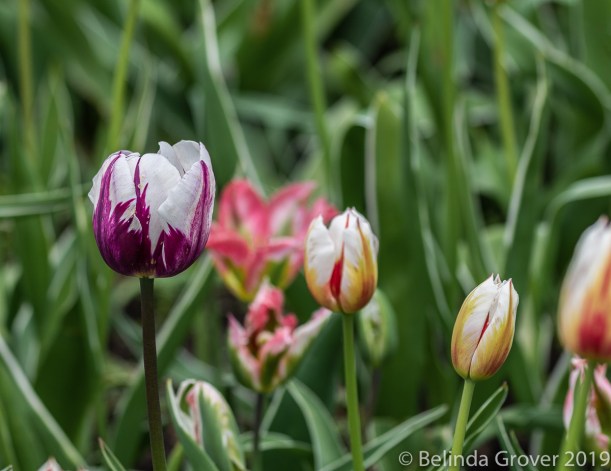 We returned to the site of our city’s annual Tulip Festival and caught these beauties on a sunny day. A late spring has its advantages; normally the tulips would have been well passed their prime. Not so this year.
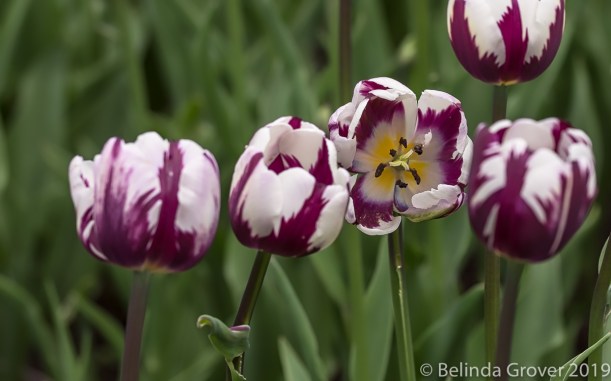
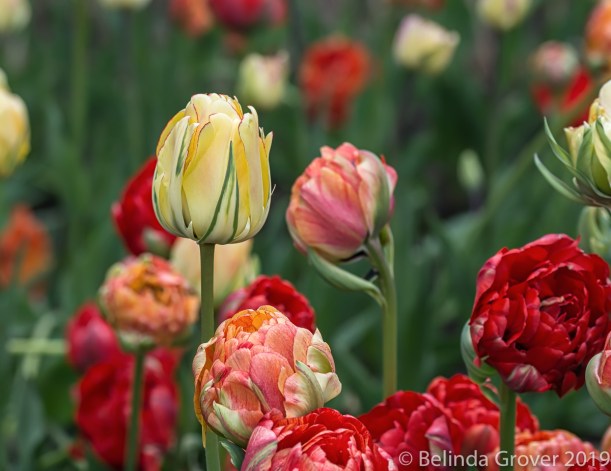 I took these photographs at this year’s Tulip Festival in Ottawa. Given our cold rainy spring the tulips are slow to bloom. The majority of them look like those pictured below. They’re in a holding pattern (like the rest of us) waiting for sunnier days. The upside is that when they do open up we’ll be able to enjoy them later into the month.
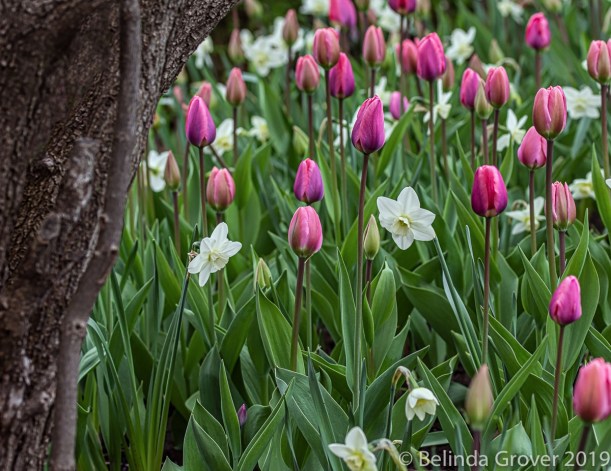
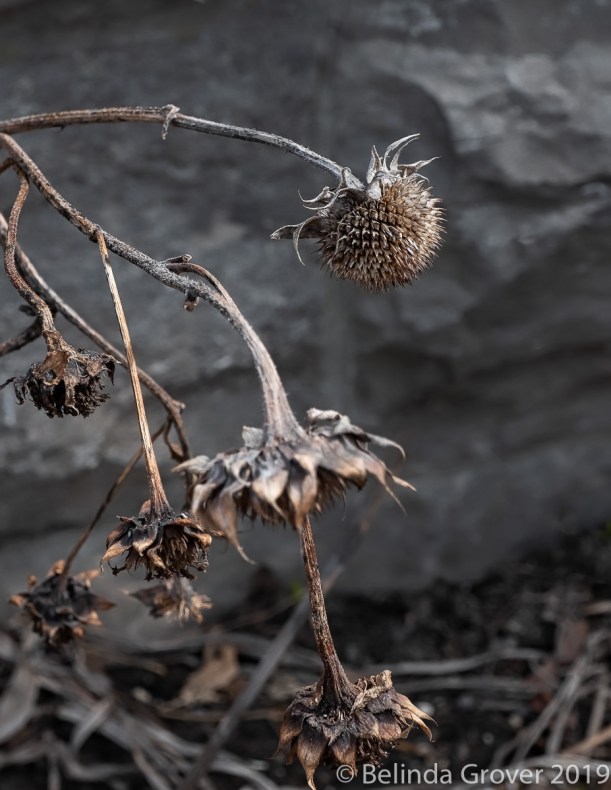
The first photo was taken a few weeks ago. Coneflowers are beautiful flowers and their seedheads are also quite beautiful. In this example they create a natural sculpture.
I’ve also included a little teaser of what’s to come…
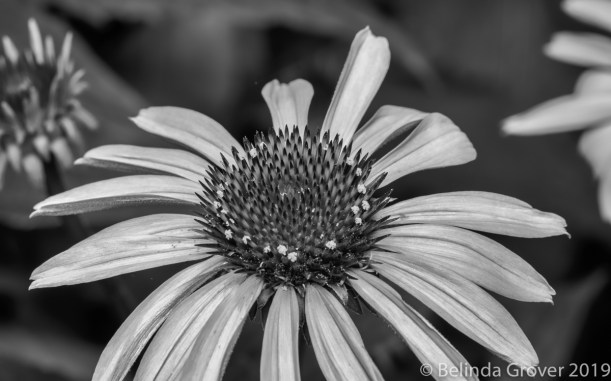
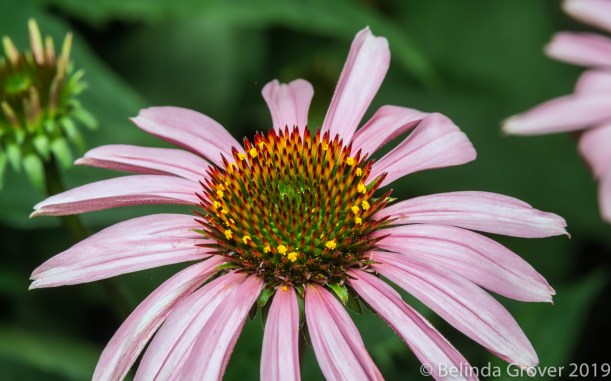
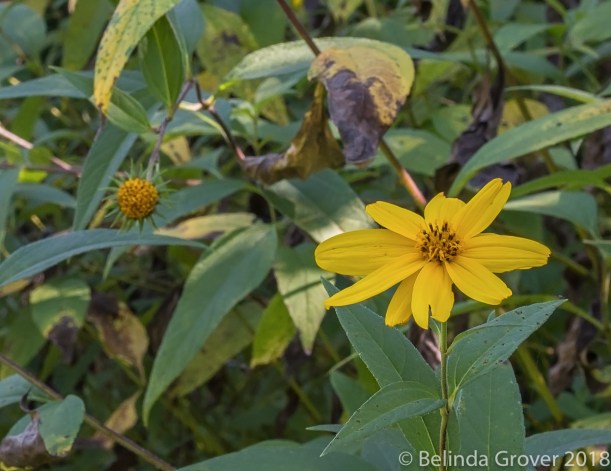 Spring seems to be on hold in my part of the country. The nights are still below 0C although the daytime temperature is slowly rising. Until I see some spring flowers, I thought I’d feature some late season sunflowers. I appreciate their endurance and less than perfect beauty as the weather turns colder.

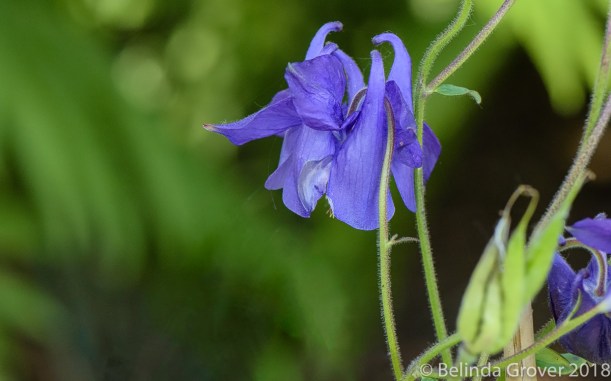
This wonderful wildflower was taken last spring. It’ll be a while before they pop through the soil this year. The ground is still pretty frozen but there are a few signs of spring – the sparrows chirping and rumours of the first crocus…
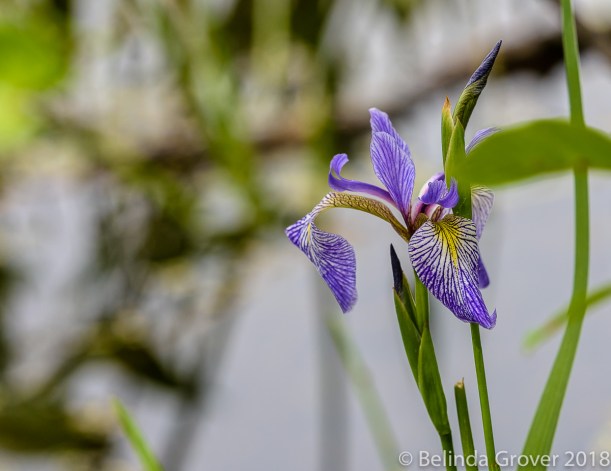 Following a trail down to the lake one year, I spotted an Iris growing right off the water. I was standing close to the water’s edge, looking for ducks and almost missed the flower tucked to the side. Every June, I follow the same trail down to the lake and continue to see the Iris return each year.
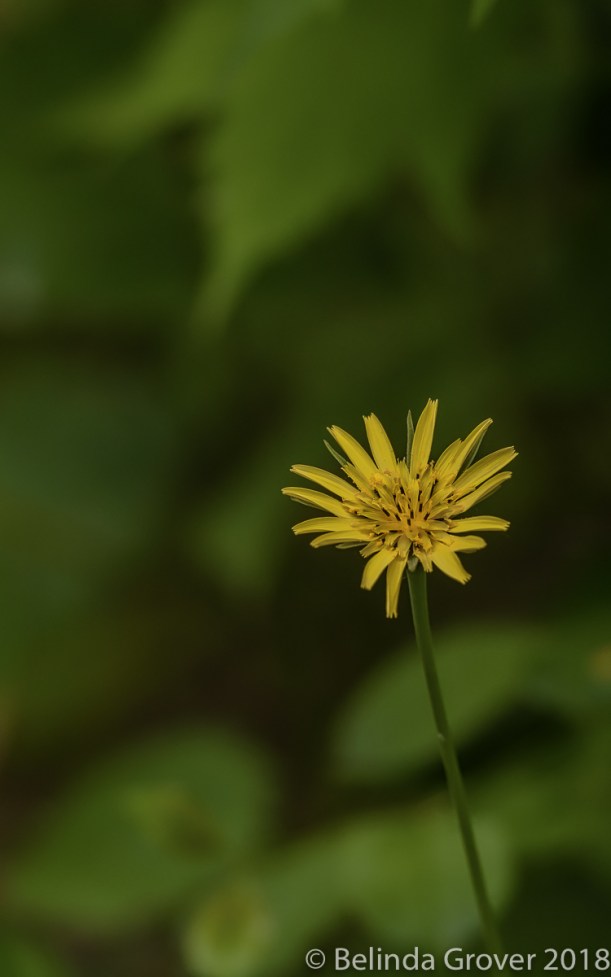
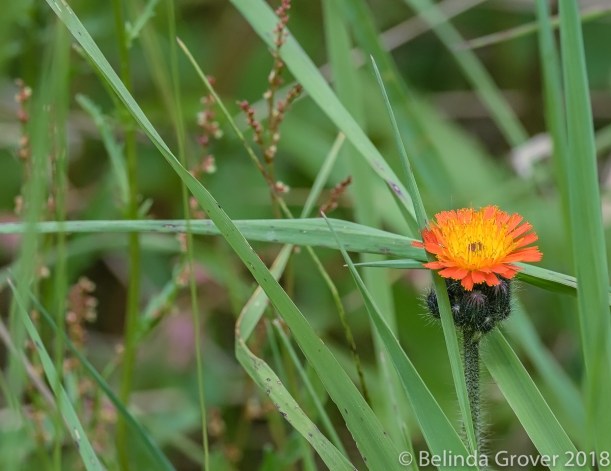 When I was a kid at summer camp we used to call hawkweed (above) the devil’s paintbrush. Both are common names for this attractive flower although the latter appealed more to the imagination of ten year olds! I don’t think I really took notice of the yellow salsify before I picked up a camera. It was while composing in camera and in the editing that I began to appreciate the flower’s detail and form.
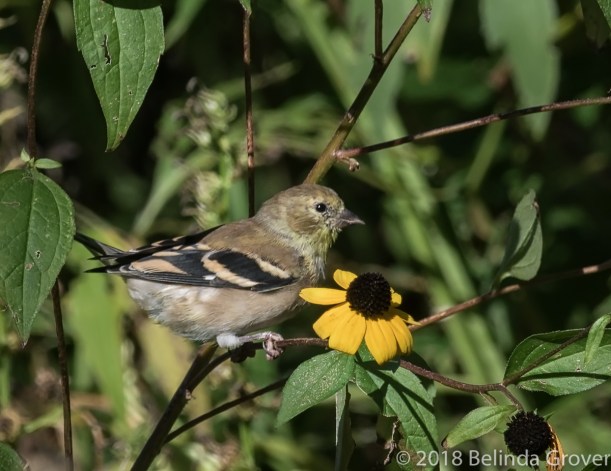
The goldfinch was moving between the late Fall sunflowers, feeding as it went. It seemed to have the field to itself as I saw no other birds around. It was quite acrobatic, most times balancing upside down. I was pleased to get this shot right-side up in perfect natural light.
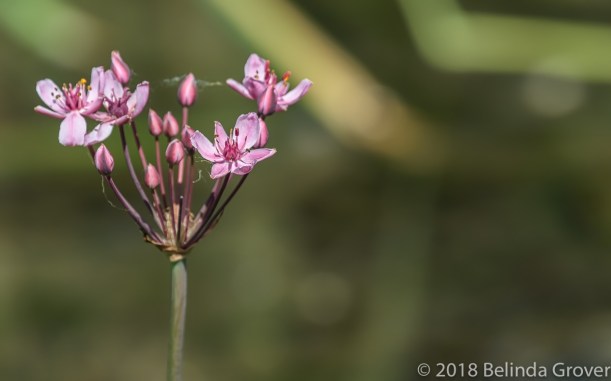
As the temperature continues to drop, photos like these bring summer back. So much cheerier than the view outside my window of drifting snow and icy streets. If the temperature gets above zero anytime soon I’ll venture out with my camera; too cold right now for it or me.
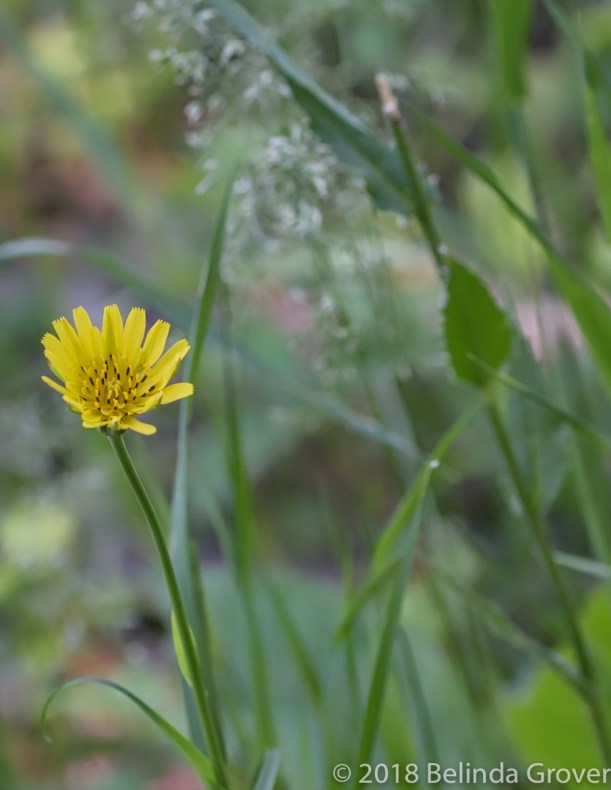
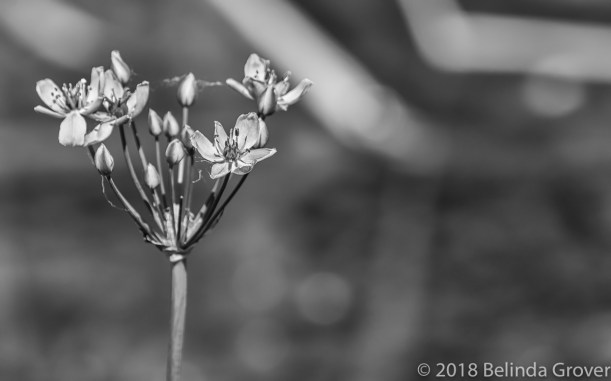

Not getting out with my camera in the current -18C temperatures and craving a bit of colour I decided to highlight these fleabane daisies. They say summer, warmth and colour. When it warms up a bit I’ll venture out with my camera but until then I’ll relive sunnier times with photos like these.
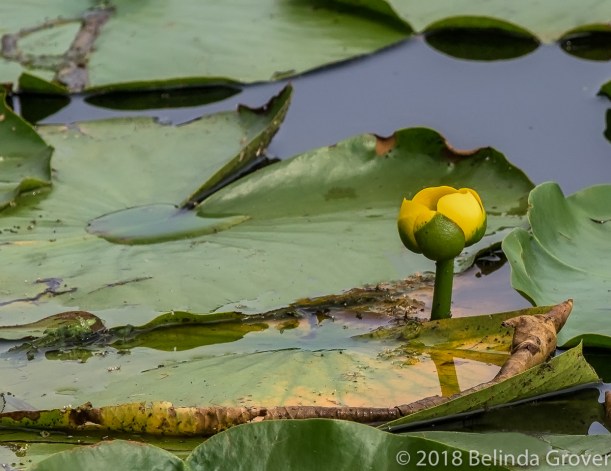
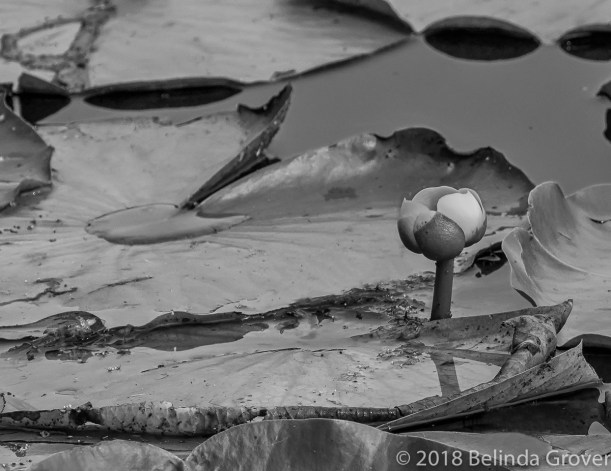
White water lilies are more common on our waterways but I do like to see yellow pond lilies. Their colour is so striking and where they appear you usually see pickerel weeds as well. A frog would have added an extra touch of green, more to come…
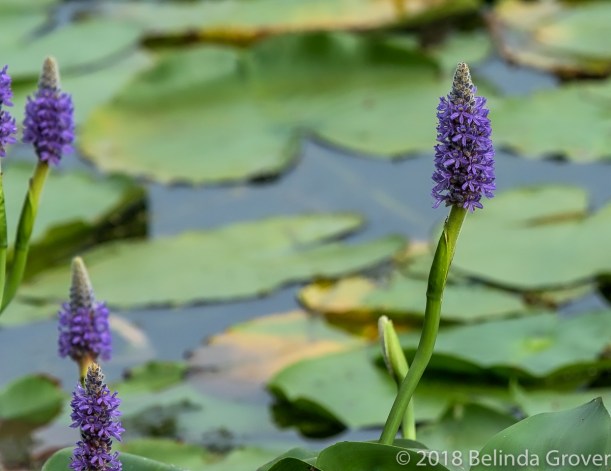
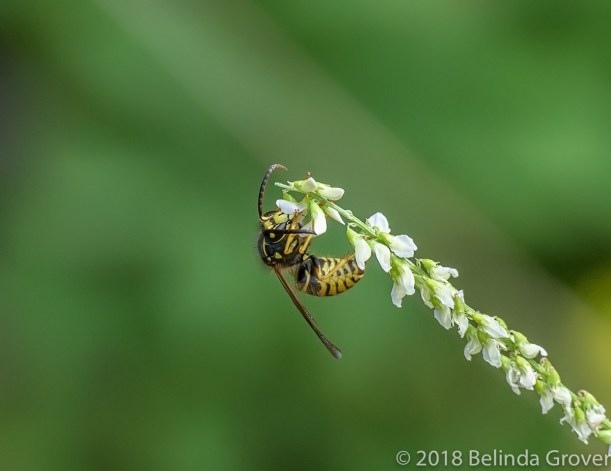
I took this photograph with my 70-200 mm lens. I do a lot of close up photography with it. As I’ve written before, I usually go out with one lens for the day. I had planned to photograph wildlife but I saw this shot and tried it. It goes to show that you don’t necessarily need a macro lens to do this kind of photography. If the subject is within range, I’ll always give it a go.

This scene is a perfect antidote to this late December day. I thought the image looked like a corsage designed by nature. The photo to me is less about the spider and the flower and more about the colour and delight of summer.
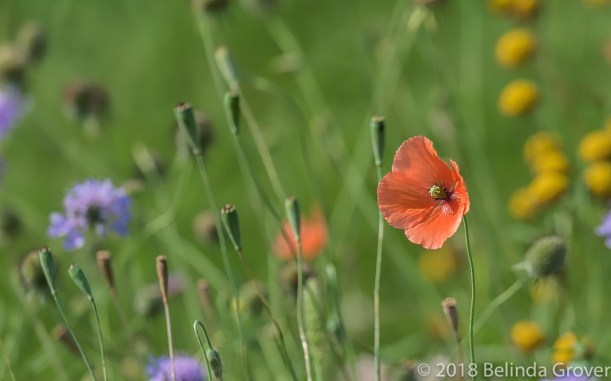
I live in Ottawa, the capitol city that is often ranked the coldest in the world. It’s hard to believe that only a few short months ago the nearby fields were covered in flowers. Here’s a sweet reminder of what’s to come.
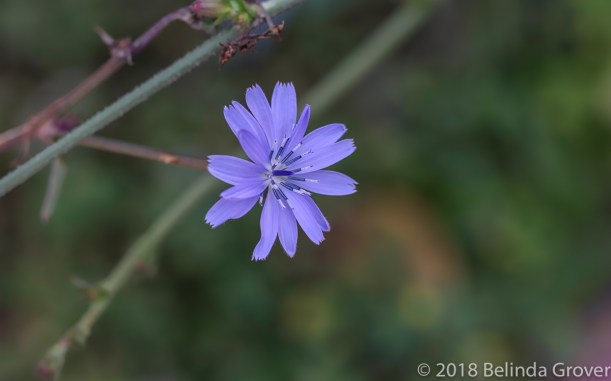
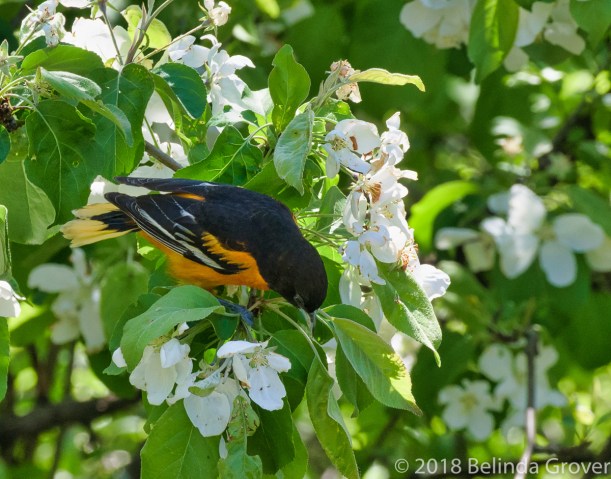
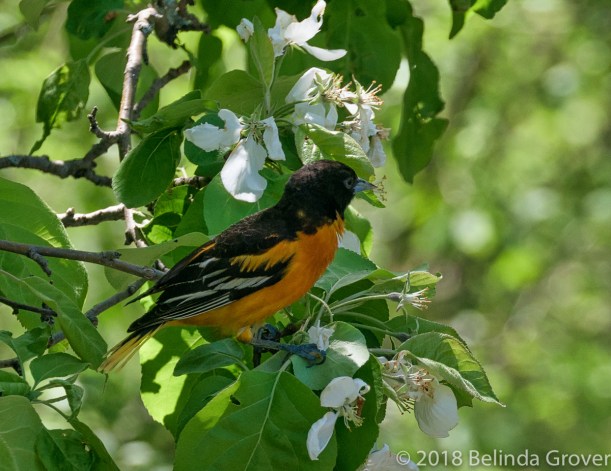
Baltimore Orioles migrate to our area in mid to late May and this bird was right on schedule. He must have found something tasty to eat as he remained in the tree as I continued to take photographs. I thought we might also see his mate as we were there for a while. We didn’t, maybe he was unattached or she was busy elsewhere.
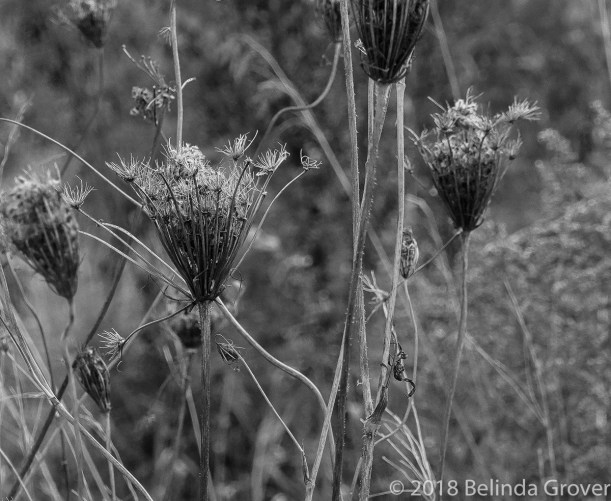
Queen Anne’s Lace has a long flowering season, from late spring until mid fall; beautiful anytime of year. They’re covered in snow now but will return next May in their spring green.
I set up my Fuji XT-1 to take five bracketed shots at different exposures. For processing I used Photoshop HDR Pro. It combined the shots for a nicely exposed image. I finished with a few of my usual adjustments in Photoshop.