On a drive one day, we stopped at a reserve that advertised a wild bird display. This peregrine falcon was waiting his turn and seemed to look in my direction so I took the shot. I’m not a great fan of these events but the birds were beautiful and if people take away an appreciation of them it can only help conservation efforts.
There are nine species of Orioles in North America; both the Baltimore Oriole and Orchard Oriole can be found here in the east but I’ve yet to see an Orchard Oriole. This colourful bird usually shows up in May and stays the summer.
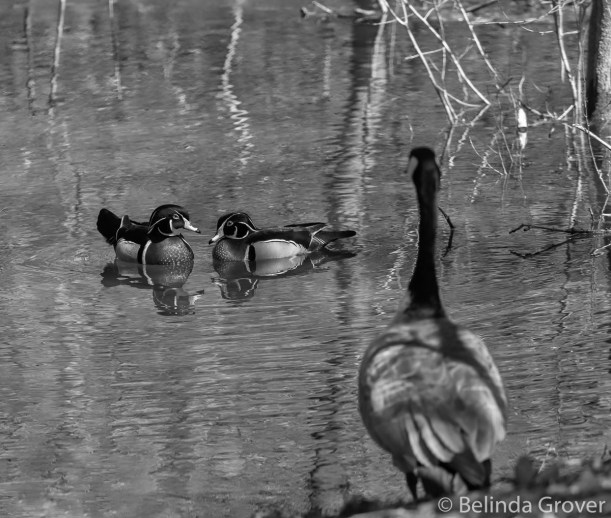
When I took this photo I was focussed on the wood ducks. Looking at the image when I got home I thought the goose was part of the story too and a funny one at that.
I took several several photos of the cardinal on the ground and when it flew into the trees. In late summer they seem more relaxed around people; their young have left the nest and they’re less wary. Nice for me.
Downy Woodpeckers are the smallest of the woodpeckers and quite numerous. We enjoy them year round. They don’t cache food but survive the winter by excavating the trees for overwintering insects. They are also a frequent visitor to bird feeders.
This was a first for me and the only time I’ve ever seen a brown creeper, so it was pretty exciting. Their numbers are declining in the eastern part of North America, due to habitat loss, so I was particularly happy to see one. It’s called a brown creeper but I thought it looked more like it was hugging the tree as it foraged for insects.
Canada Geese may have their detractors but on a lake in the fall they are among my favourite subjects. They’ve had their young and territory is no longer an issue so scenes like this are common. Ottawa is a city that includes a lot of rural land, so you don’t have to go too far to see them flying in their wonderful V formations (or echelons) as they head south.
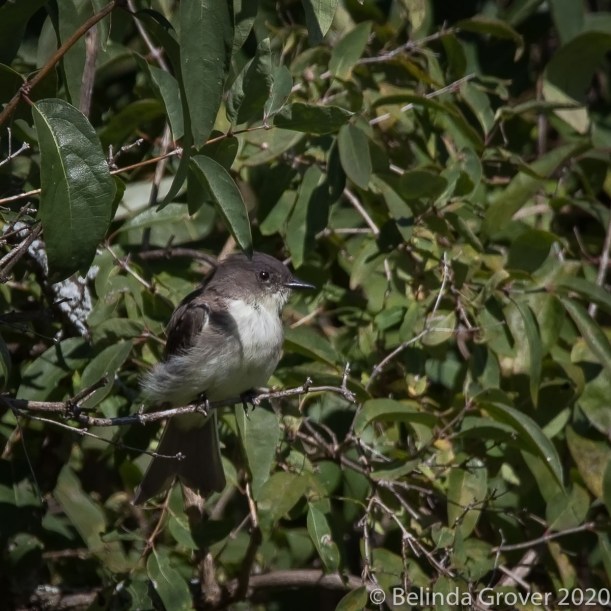
This was the only Phoebe I saw this year and I was at a fair distance from it, so I wasn’t sure I would get it. A handsome little bird, it’s a member of the flycatcher family.
I took this in late October 2019. Except for a quick drive to the lake this summer, I haven’t returned. I did see wood ducks on that visit though. Despite the year we’ve had the birds arrived as usual and will migrate back in the spring. This constant is encouraging. With some luck the coming year will have us all headed in the right direction.
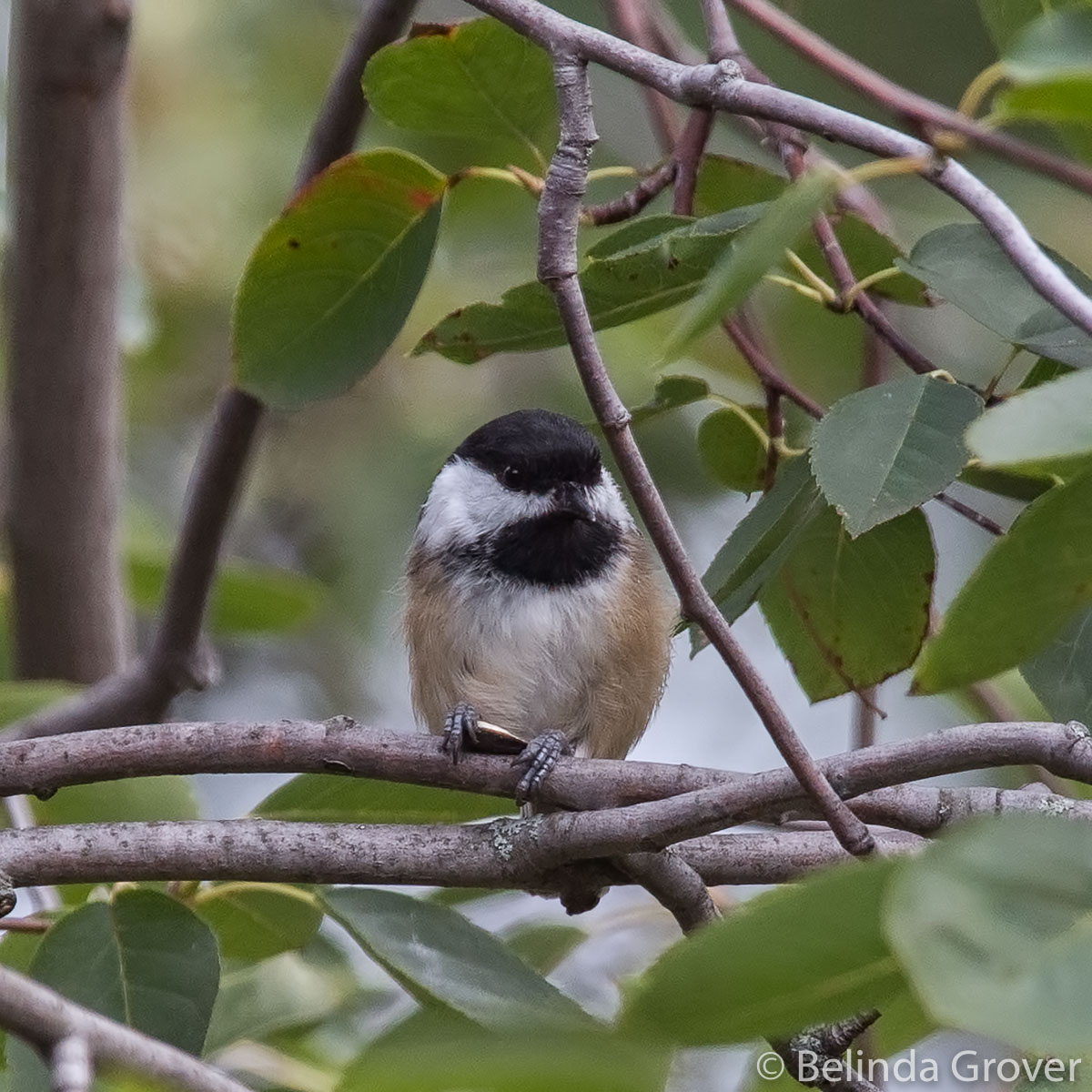
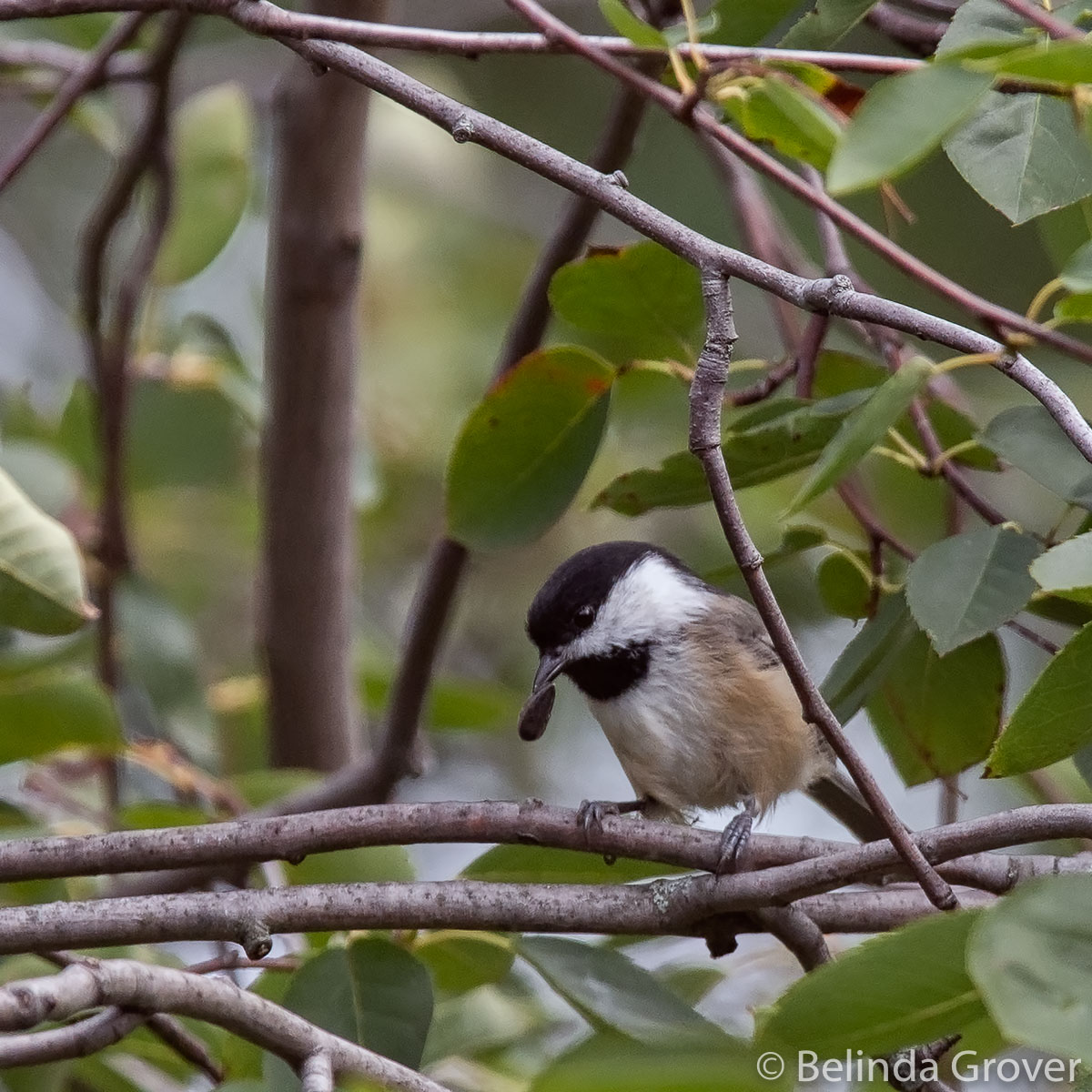
I usually see chickadees out in the open flitting from branch to branch. I caught this bird in a quiet moment well off the path in challenging light. I liked the photo but hesitated before posting it because of the flare at the bottom of the image. Still worth featuring though.
On another note, a few of you let me know that you were unable to see the image that accompanied my last post. Mike Bizeau of naturehasnoboss.com had the same problem and suggested I set my image as a featured image. Like Mike, this has altered the appearance of my website (a change I don’t like) but until this glitch has been fixed I will continue to post in this way and hope you will all see my images.
I took this photo in October of last year. I’m not sure if this is a female goldfinch or a male in non breeding colours. Either way, an attractive bird in a thoughtful pose.
I took this photo last October. I haven’t been back to this reserve since then but imagine the wood ducks are about to head south once again. Their travel has not been affected this year. Lucky ducks 😏.
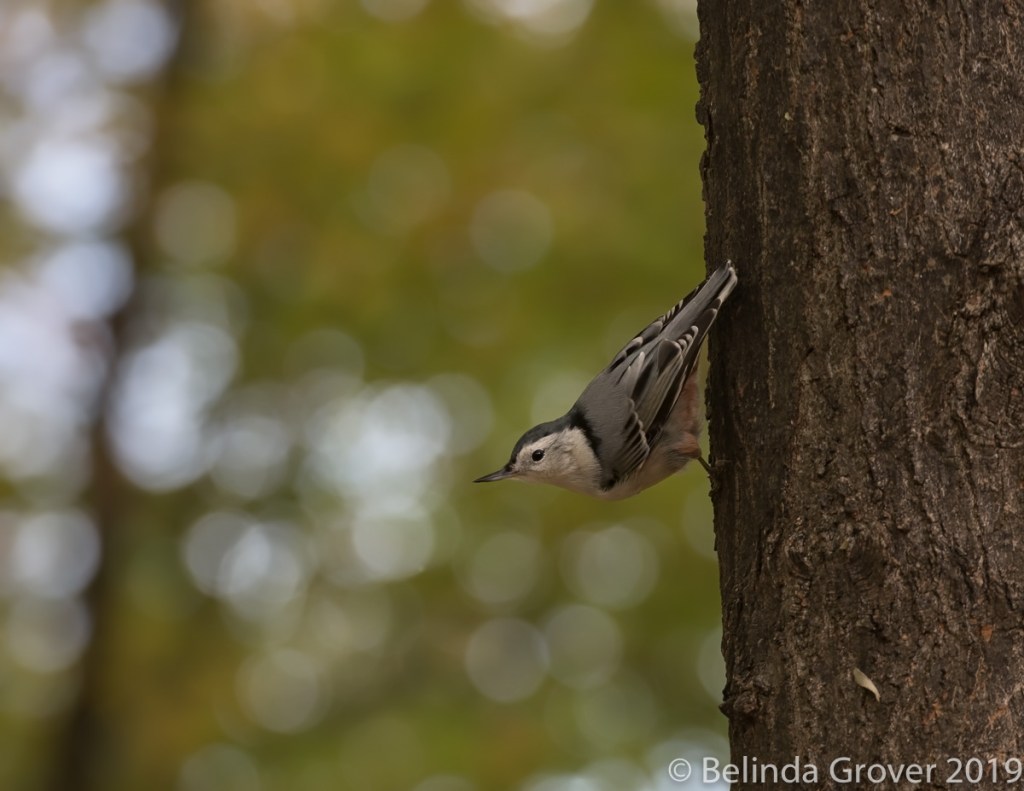
The nuthatch was creeping along the tree trunk, struck a typical pose and then was off. These birds are constantly on the move so I was pleased to get this photo before it flew away.
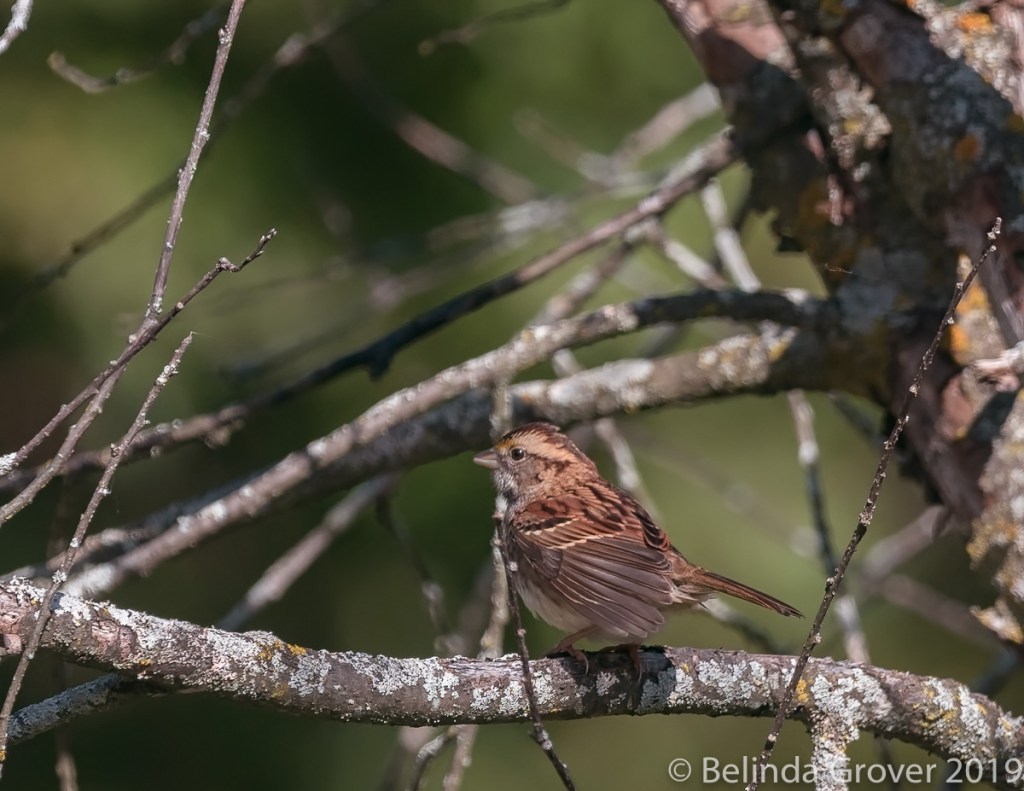
I saw this white-throated sparrow last October. Although many remain in North America during the winter, given our cold climate, I believe this one was just passing through on its way south. There was plenty for it to eat on this warm fall day.
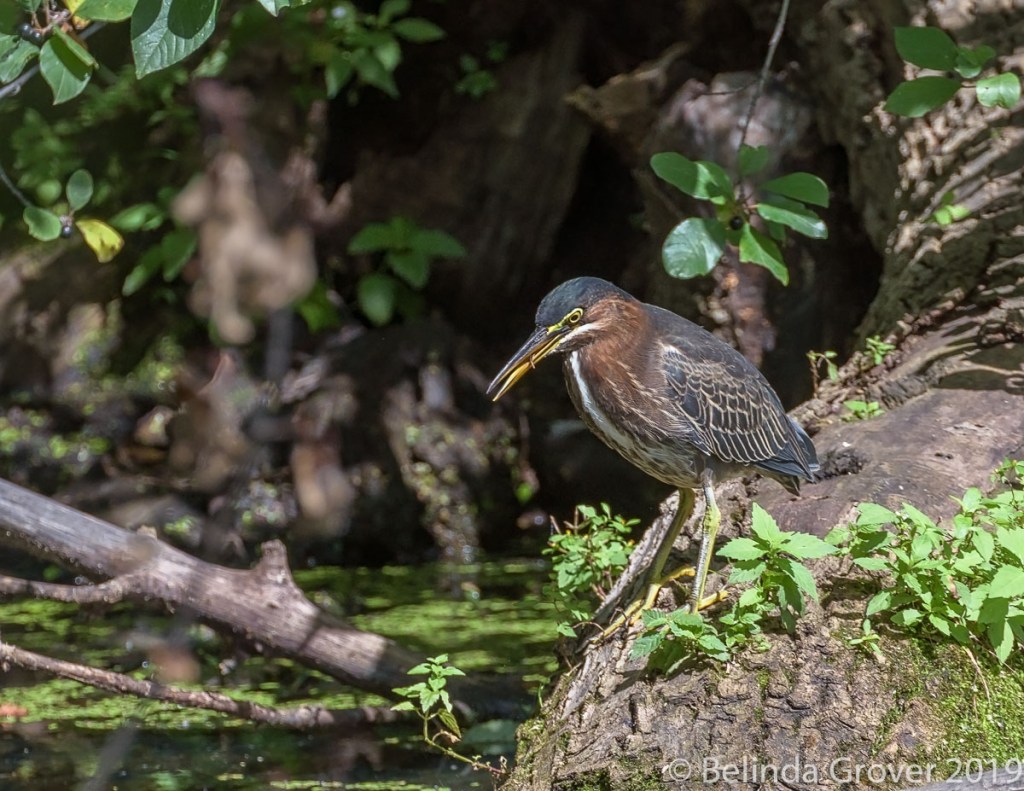
I watched as the green heron carefully scanned the water looking for a passing fish. It watched, it patrolled, and waited some more. All the herons I’ve photographed are the most patient of fishermen, more patient than this photographer. I took some photos and left the bird as I continued my walk.
I usually see pileated woodpeckers high up in the trees, rarely on the ground. As we were walking along we came across this bird excavating the bark of a fallen tree. It must have been full of insects because he continued on long after we had taken our fill of photographs and moved on.
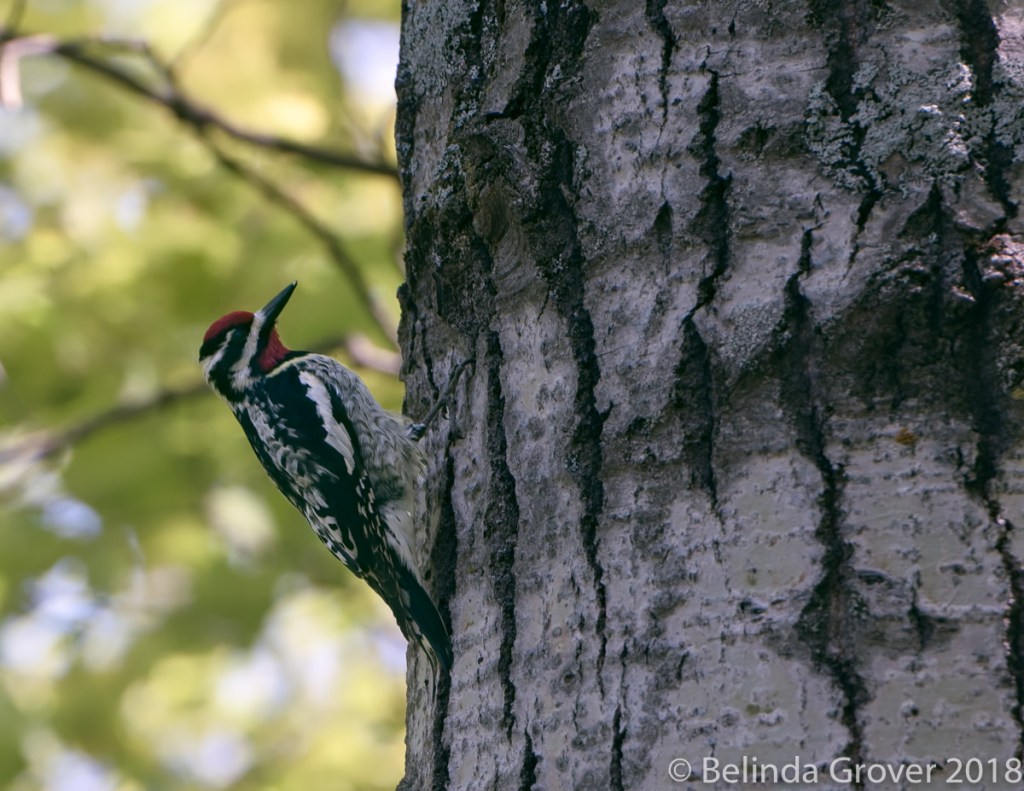
Although quite common, I’ve only seen a Yellow-bellied Sapsucker once, a few years ago. They are fairly small and beautifully patterned woodpeckers. We heard the bird hammering away at a tree and followed the sound. It was busy feeding and wasn’t at all bothered by our presence.
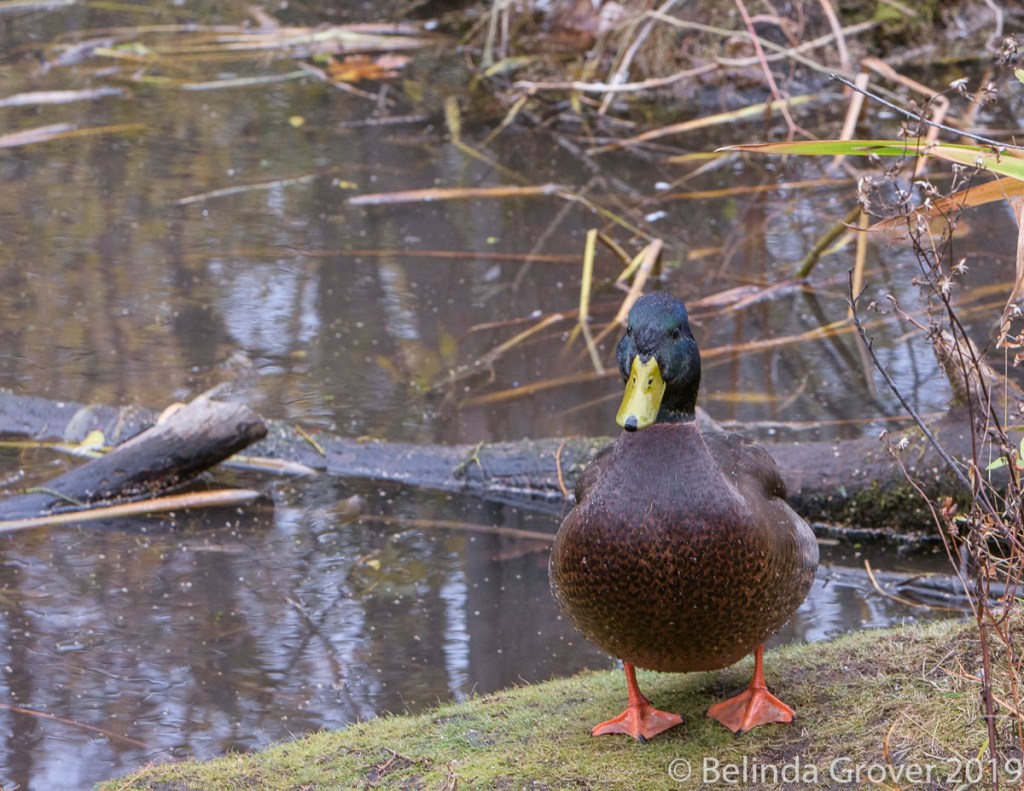
This is another photo taken late last fall. The water has a flat murky look and the only real colour is the mallard which also looks a bit muted in tone and expression.
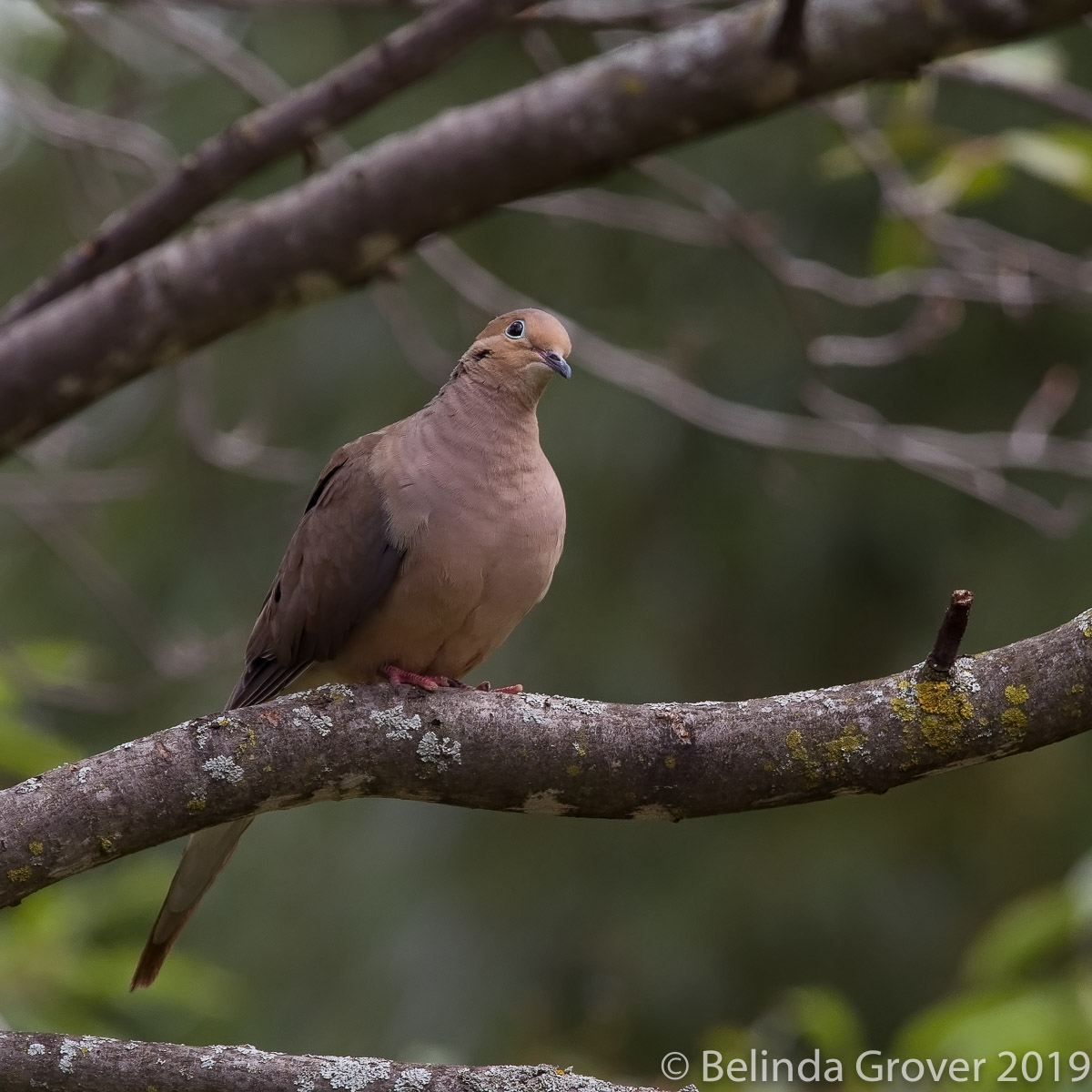
It was nice to catch the mourning dove tilting its head.I thought it made for a more interesting photo. I learned that they exist in large numbers and are prolific breeders which is a good thing, as they’re heavily hunted in North America.Their name is derived from their rather plaintive call.
There are quite a few abandoned railway bridges in the countryside. With the closure of many Mills, railroads were no longer needed to move goods.Some of the bridges have been reclaimed by Ospreys who build their nests and raise their young on them. When we noticed the nest on the first bridge, we stopped the car and waited to see what would happen.We didn’t have to wait long as an adult flew in to feed the young bird.
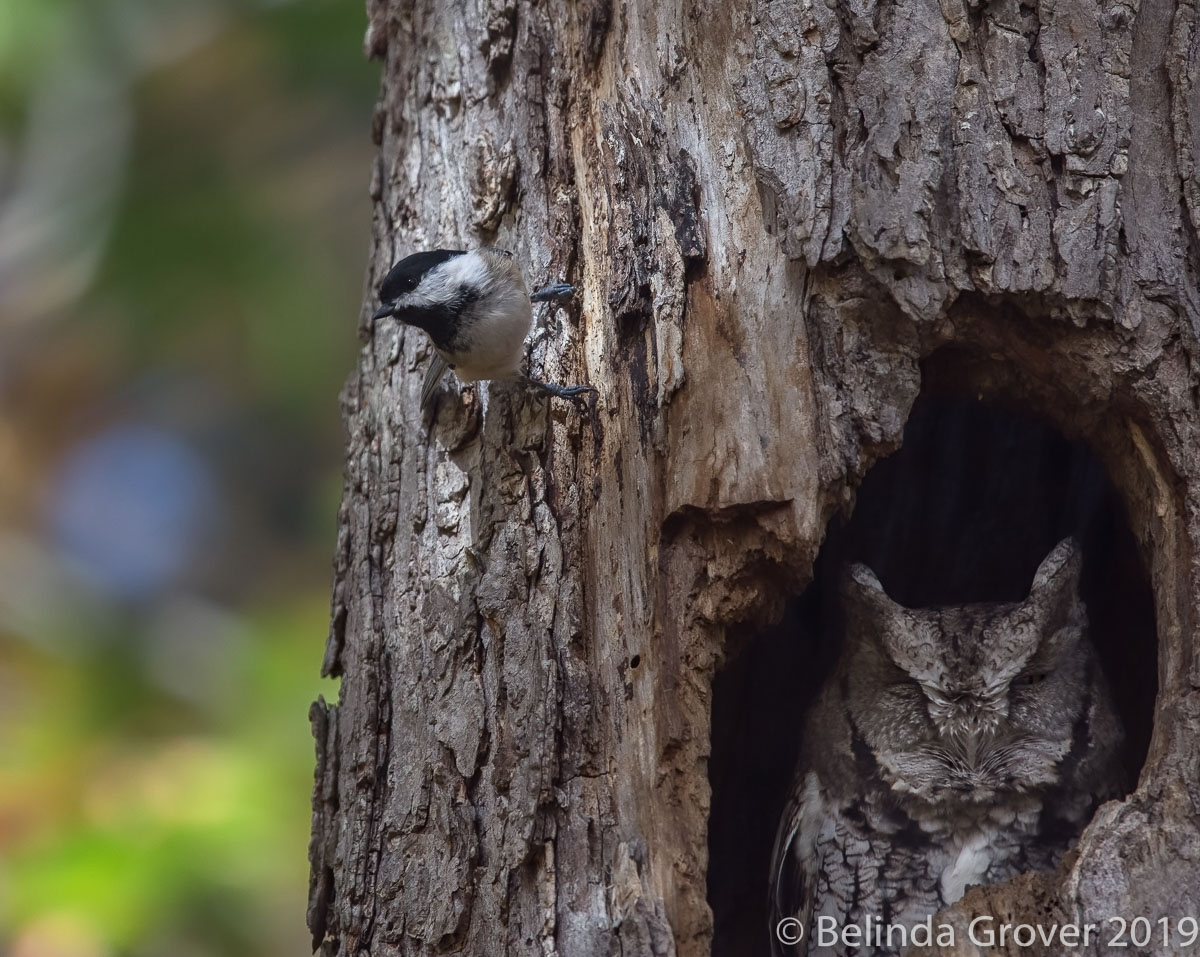
The woods were quiet, no squirrels about. This usually means there’s an owl or hawk nearby. Sure enough we saw this Screech Owl comfortably perched in the cavity of a tree. What did surprise me was the agitated chickadee flying close to the dozing owl. Brave or reckless, I couldn’t decide.
I found this image on a memory card that was in a camera I hadn’t picked up in months. It was like finding something you had forgotten about in a coat pocket.The cooler days aren’t here yet but scenes like these are fast approaching.
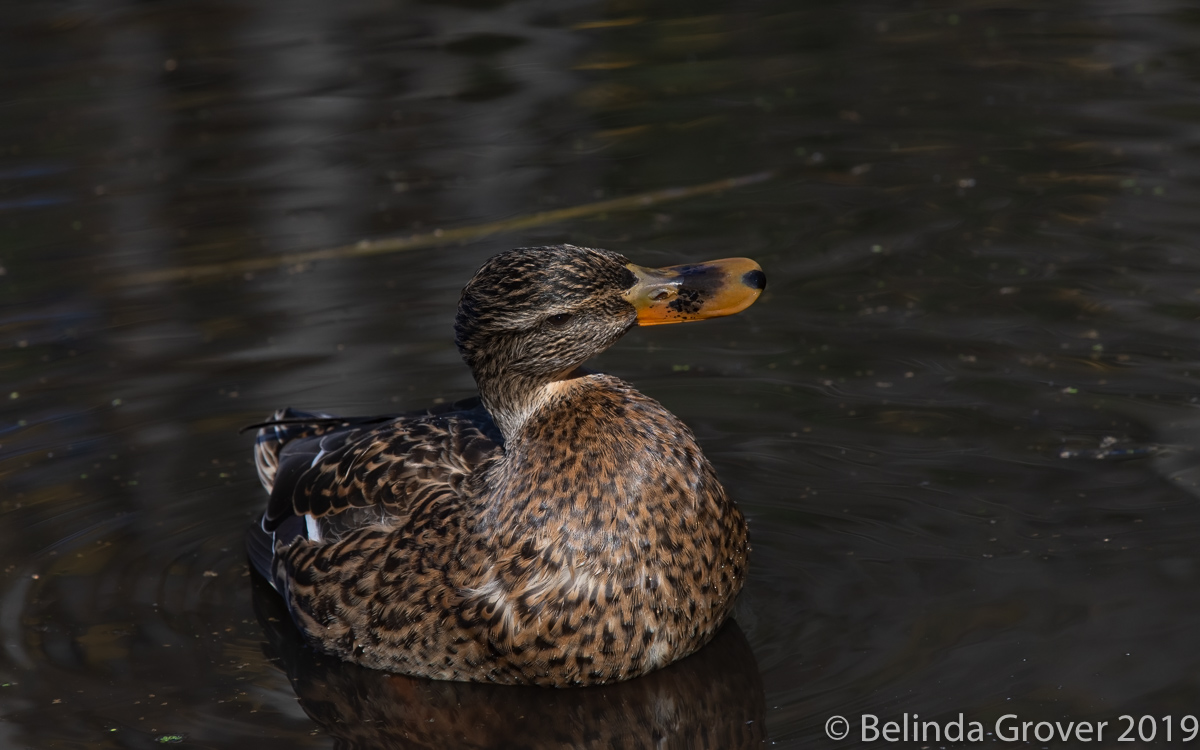
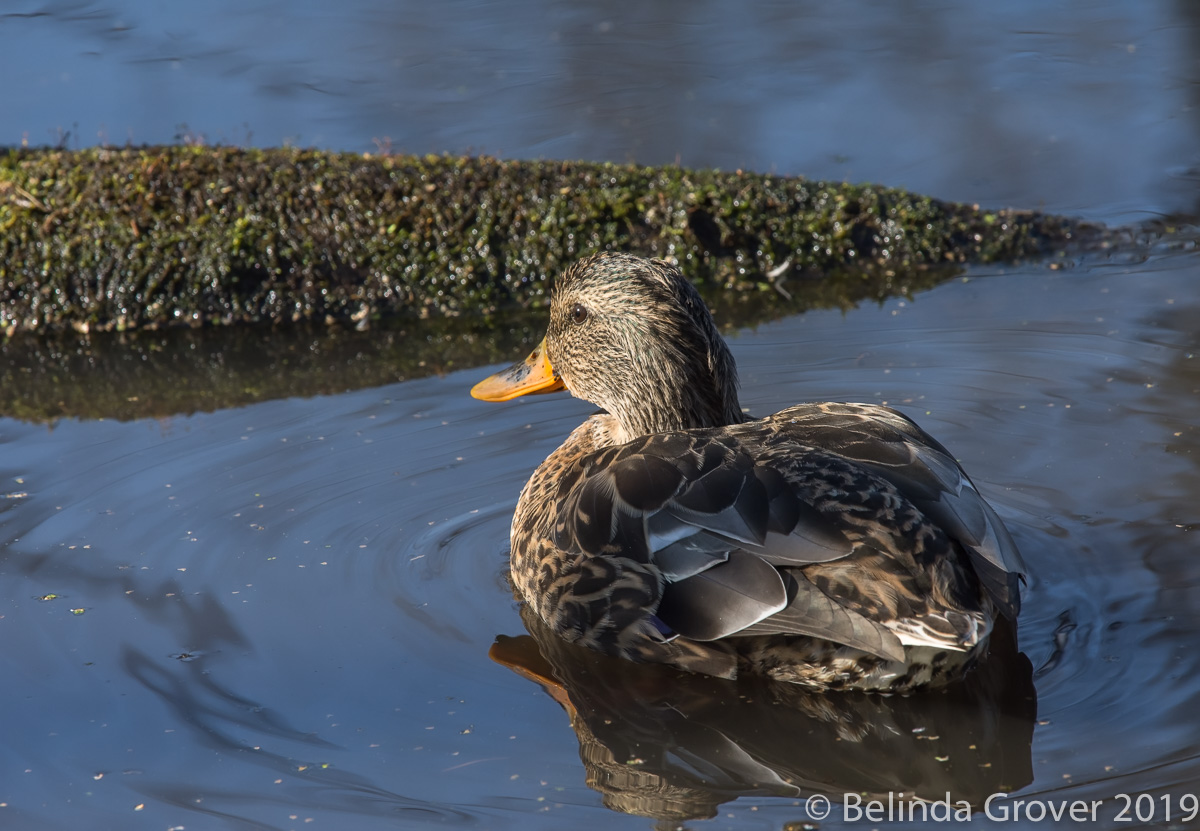
I took these photos from a floating bridge.I was using a long lens, the duck was close by and I couldn’t put much distance between me and the duck.I would have liked more but you can’t really go wrong with a subject like this.
Canada Geese can be elegant in the water and a different bird on land where you have to approach them with care.They can be territorial during breeding season, with their young and after they’ve been feeding, you have to watch your step.On the water they can be quite different, languid and graceful.
I feature chickadees quite often. They’re seen frequently and are always up for a photograph. You have to be quick though because they don’t sit still very long.
It was a cloudy day and the woodpecker was well off the path. I chose to do little to edit the photo as I liked the mood created by the overcast day and the tree branches in the background.
The chickadee, about to tuck into his snack, was at quite a distance from me but still in range. It’s nice to photograph birds and other animals when they’re engaged in some activity,or as in this case, about to be.
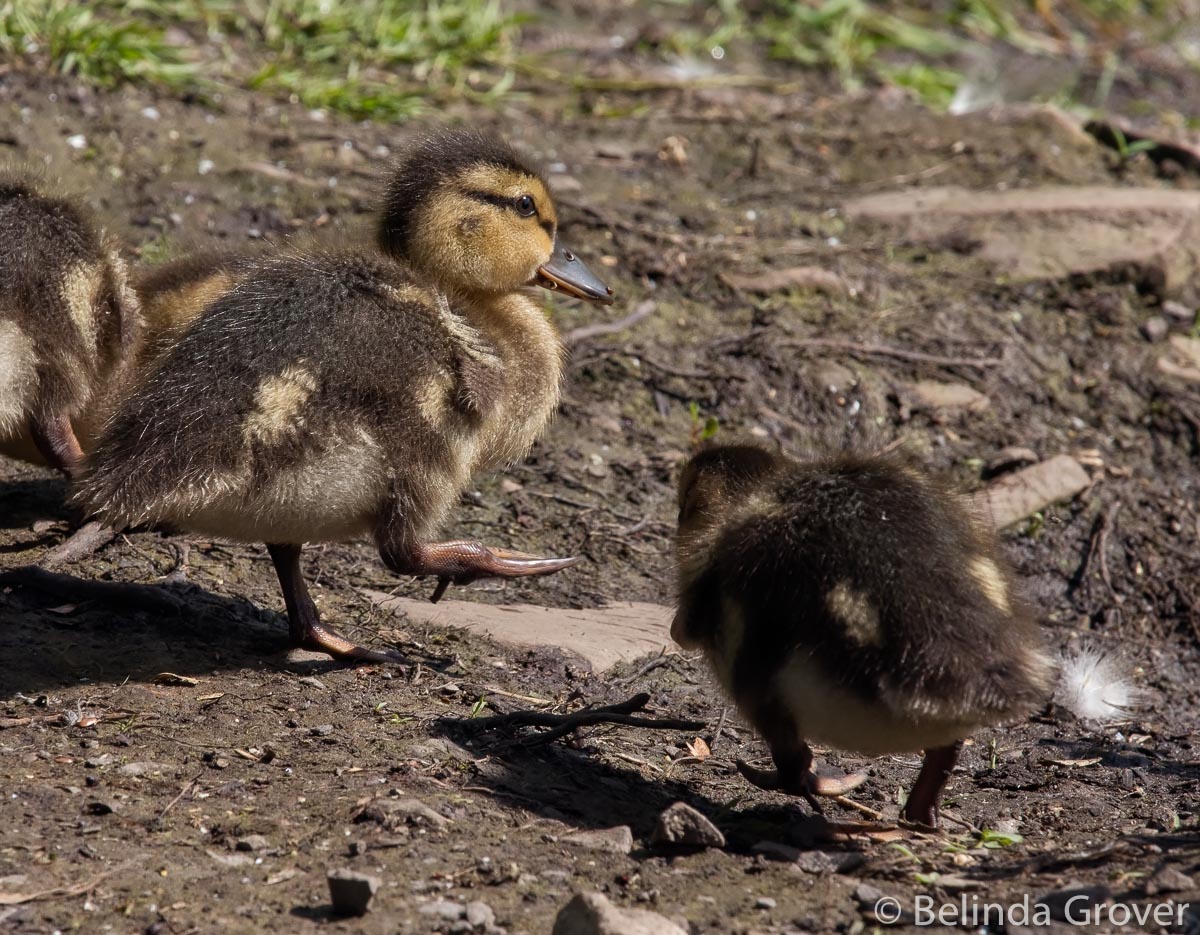
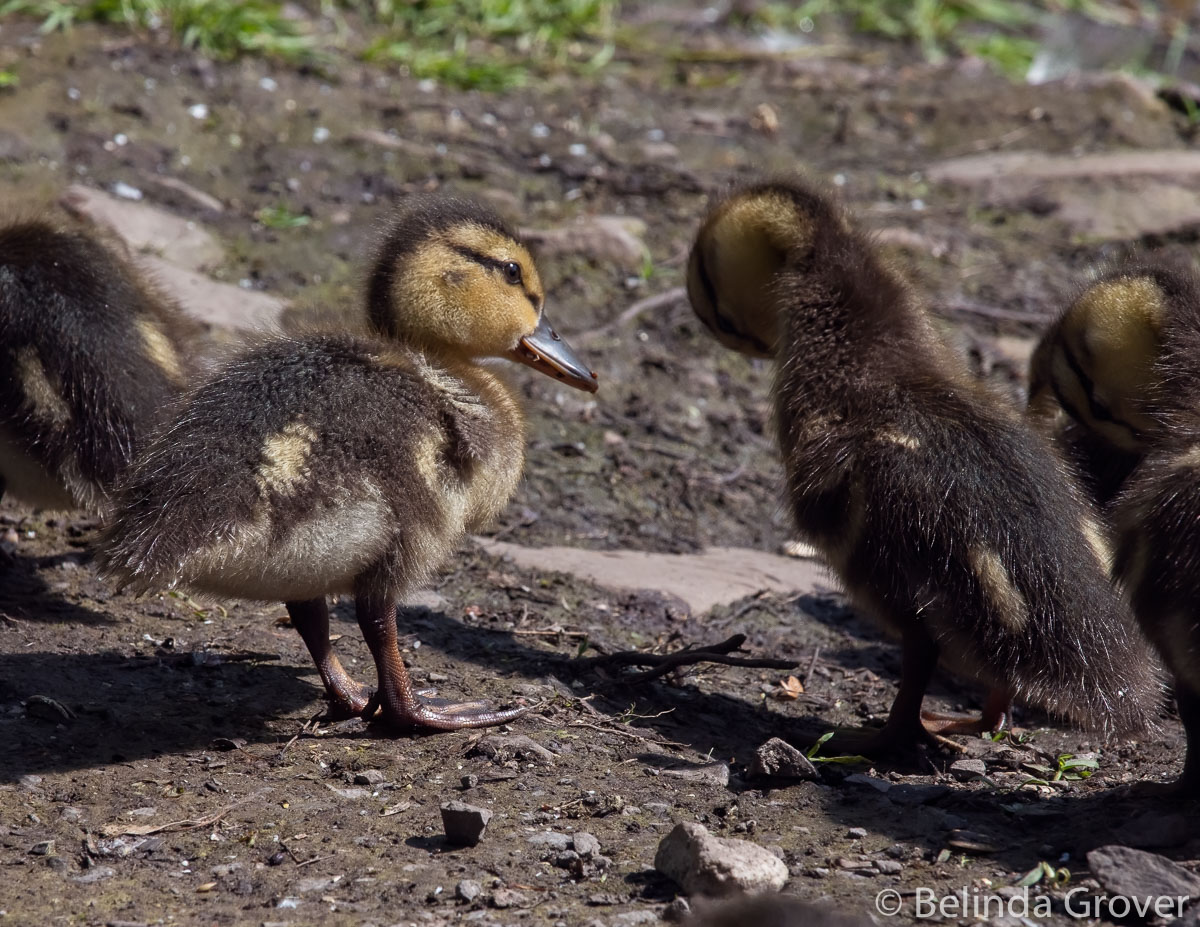
This duckling was curious about its surroundings, while the rest of the brood were more interested in eating. Not the best of backgrounds but the duckling made up for it.
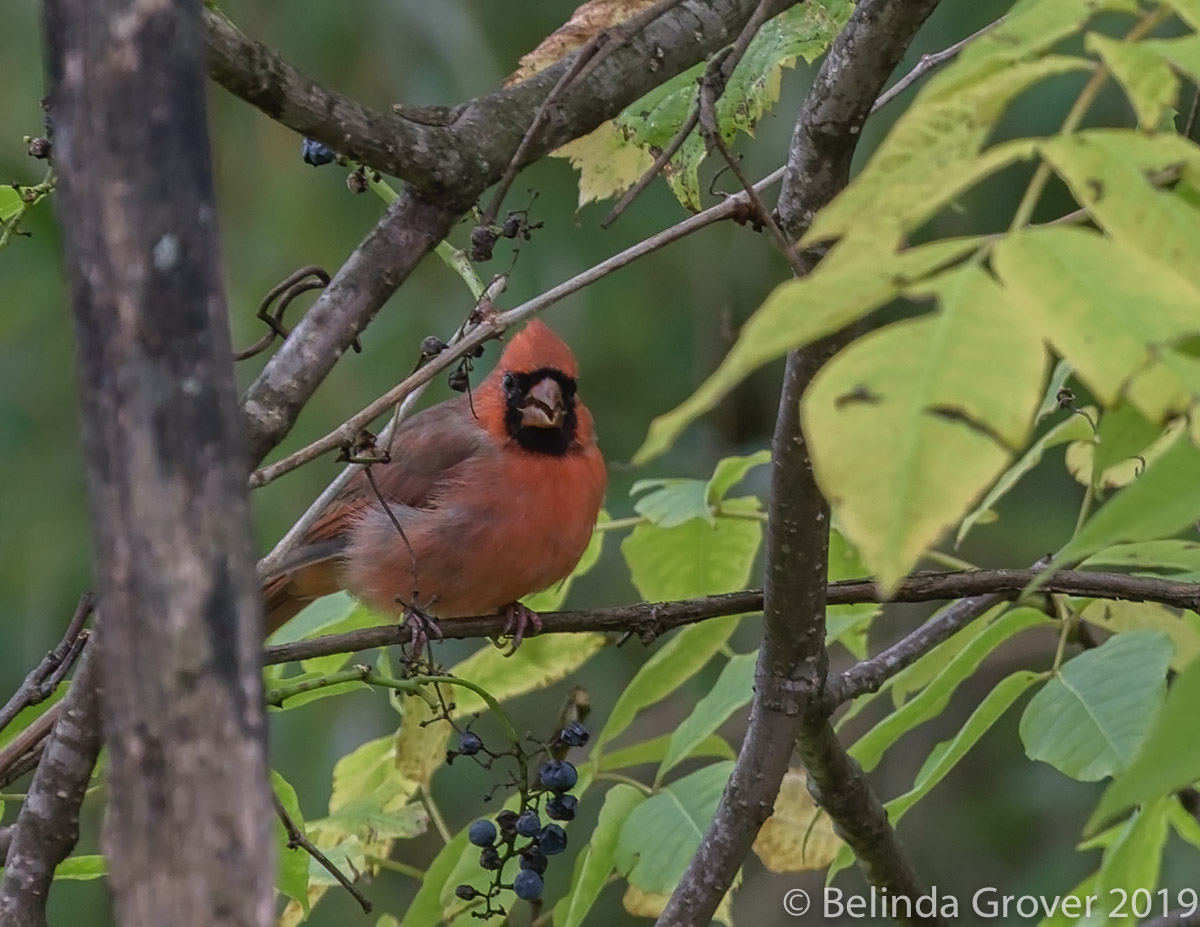
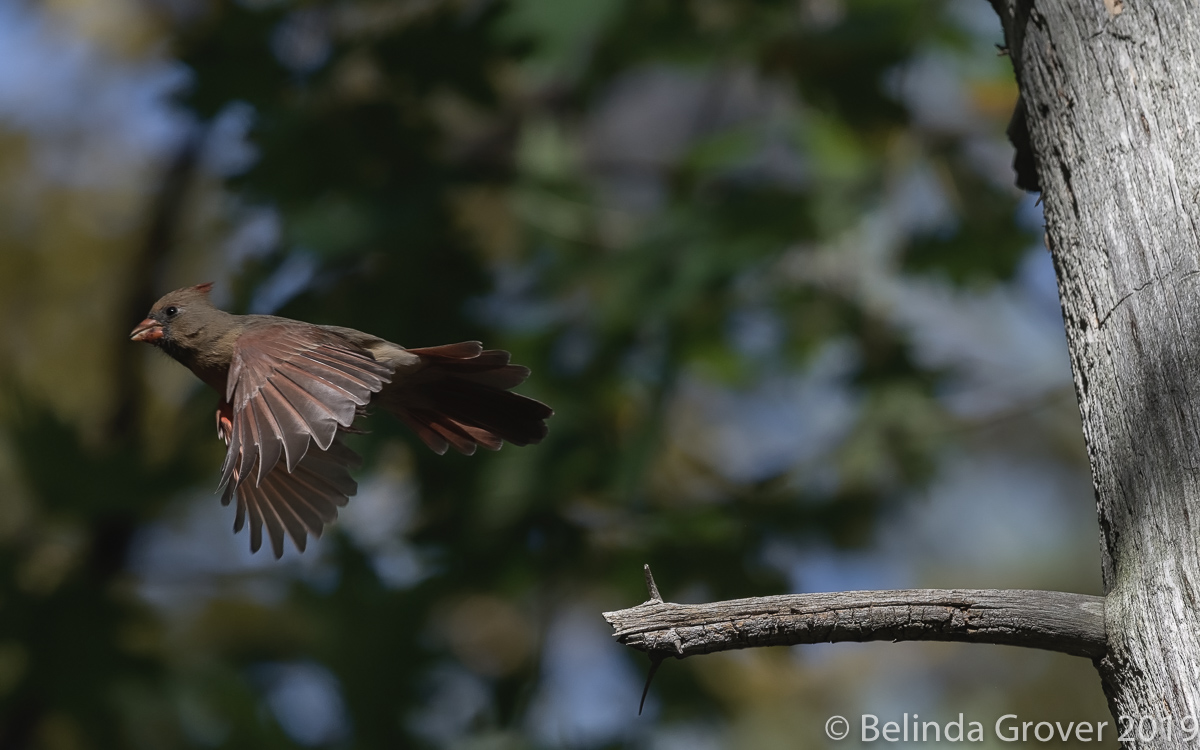
I took the top photo last fall when the leaves were beginning to fade, I couldn’t miss the cardinal though he was at quite a distance. The photo below of the female cardinal was taken earlier in the summer.
Wood Ducks arrive every spring like clockwork and last year was no exception.The reserve we go to has a good number of these ducks and the lake has many coves to catch a quiet moment 😊.
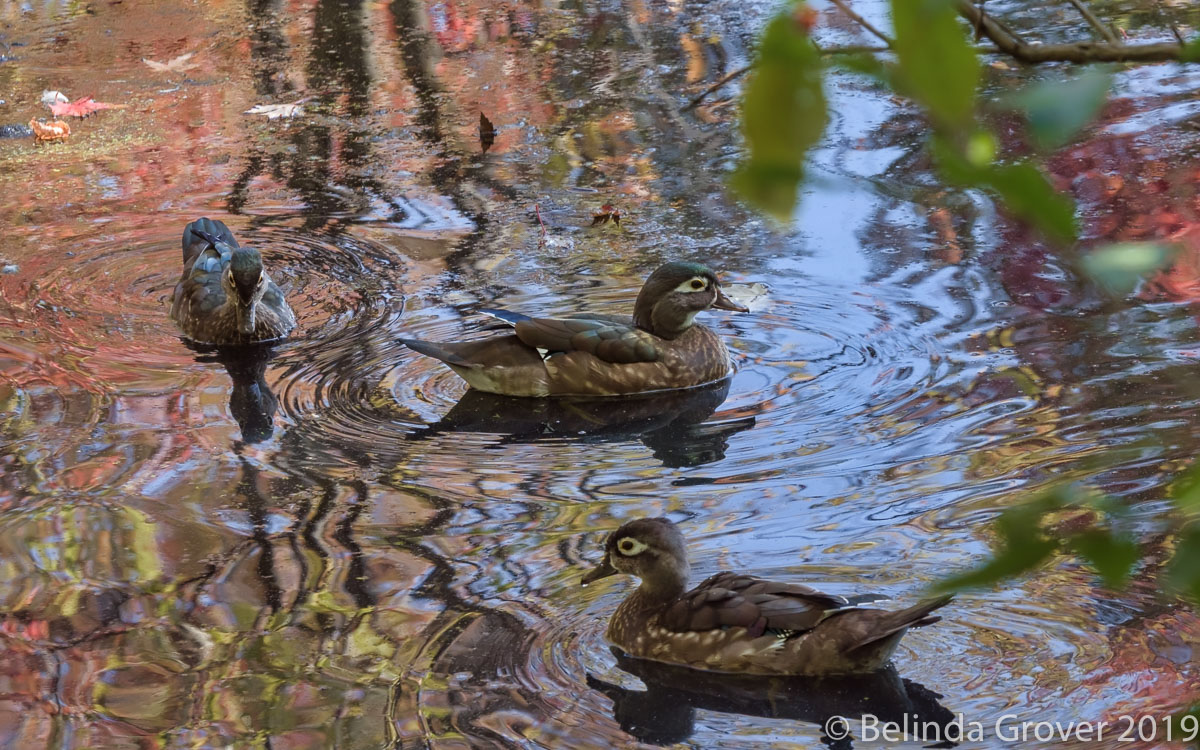
Female Wood Ducks are less colourful than the male, but equally good looking. I took this photo last fall when the autumn colours were at their height. The birds swam into the reflection and I took the shot.
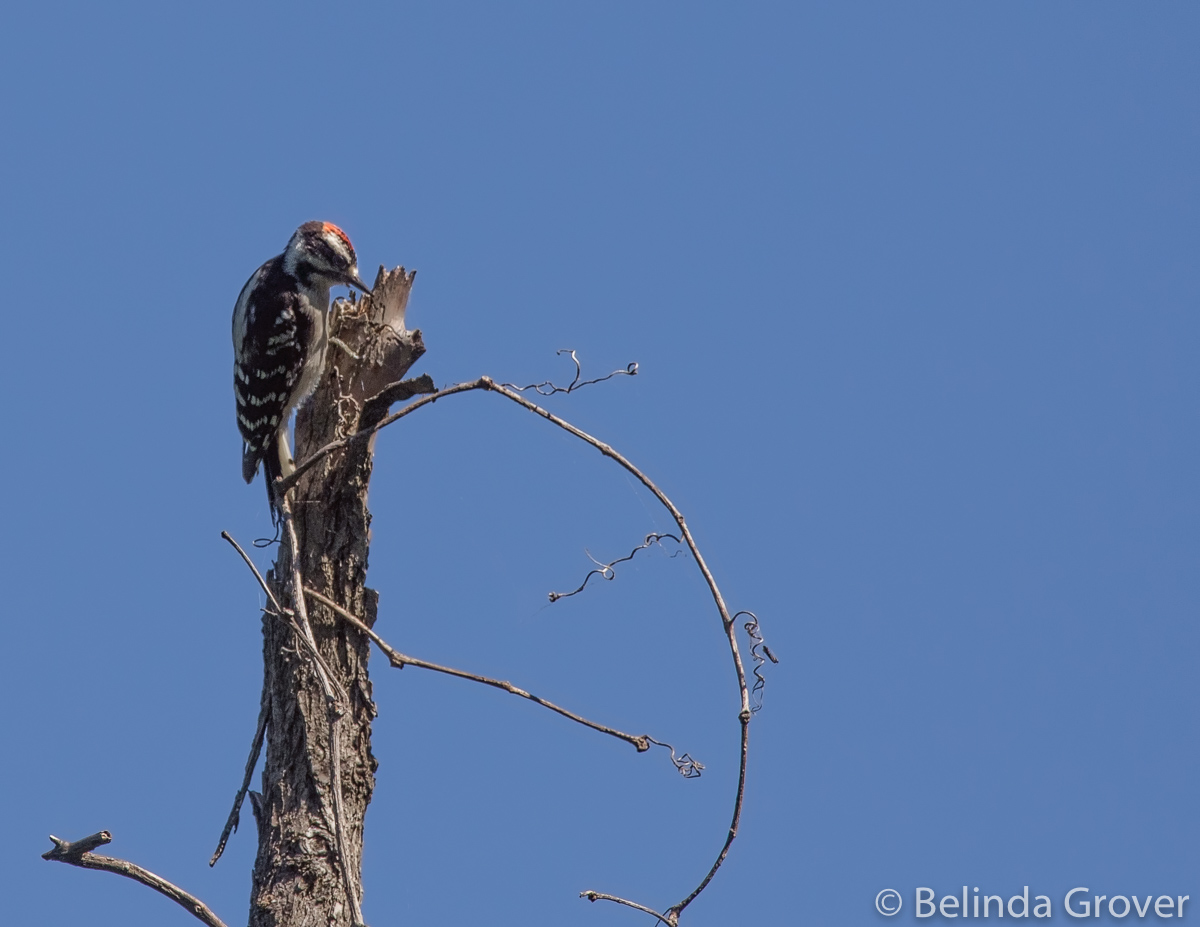
I’m glad the old tree wasn’t any higher! Sometimes birds find their way right to the top of a tree making for tricky photography. Wonderful bird, wonderful tree, what’s a bit of a sore neck after all. 😏
These ducks arrive in late October and never swim close to shore. They bob around in the middle of the lake, just a bit too far out. Yet I thought the scene was still worth taking as it captured the mood of a late fall day.
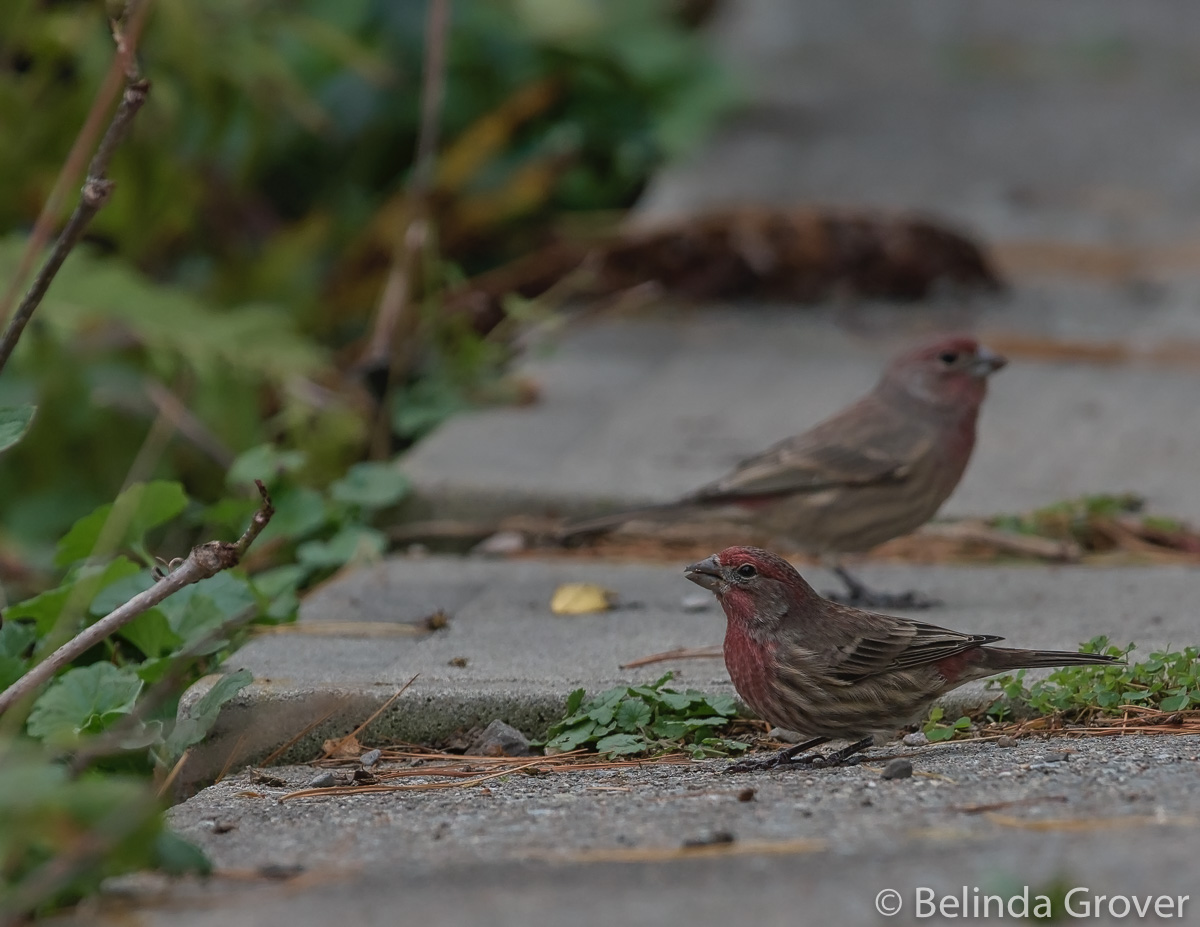
House Finches are native to western North America but were introduced in the east.Their colour, particularly the red plumage of the male varies according to diet. They’re attractive little birds, although quite common I rarely seem them.
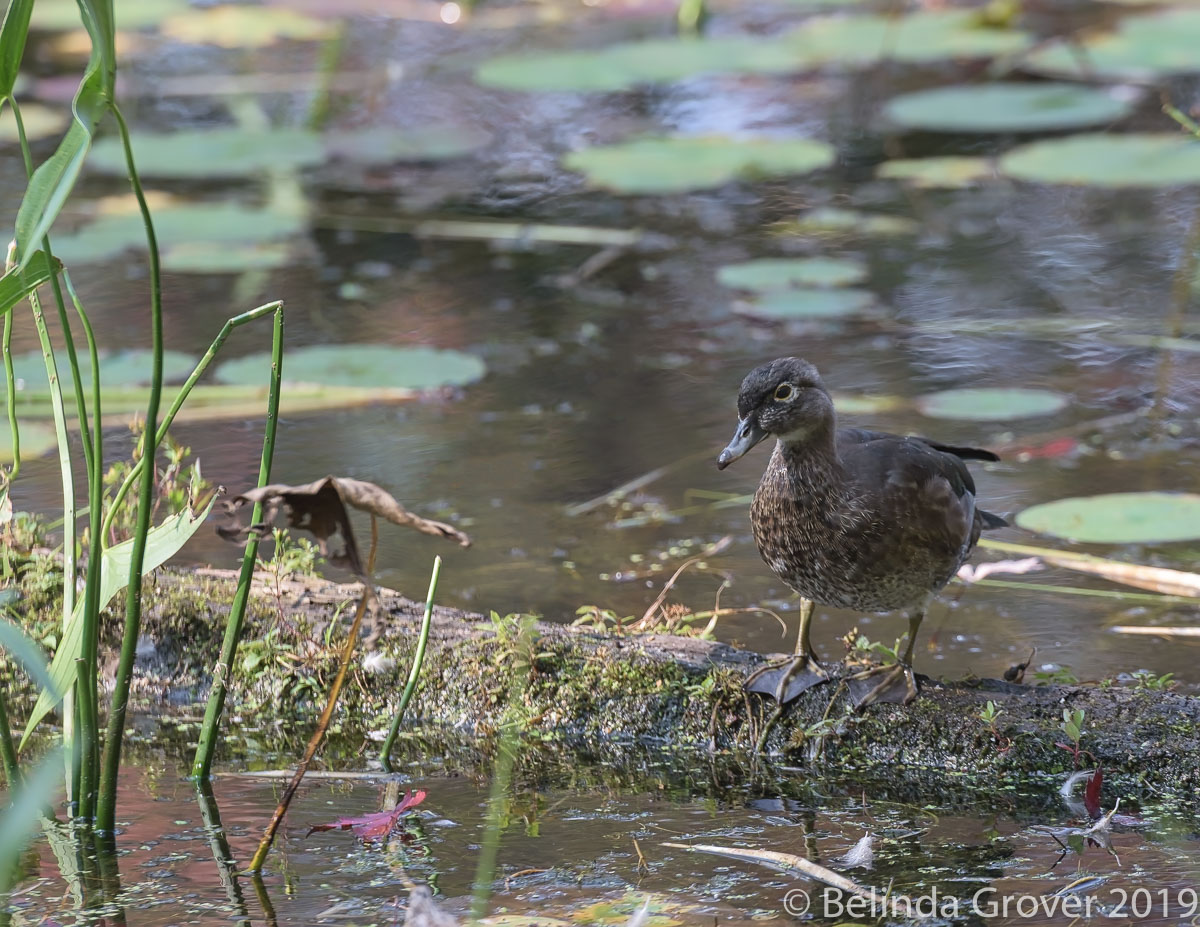
This wood duck was taken last fall, before they all flew south for the winter.I’ve noticed that unlike most ducks that tend to stick together, the female wood duck is often on her own above the fray.
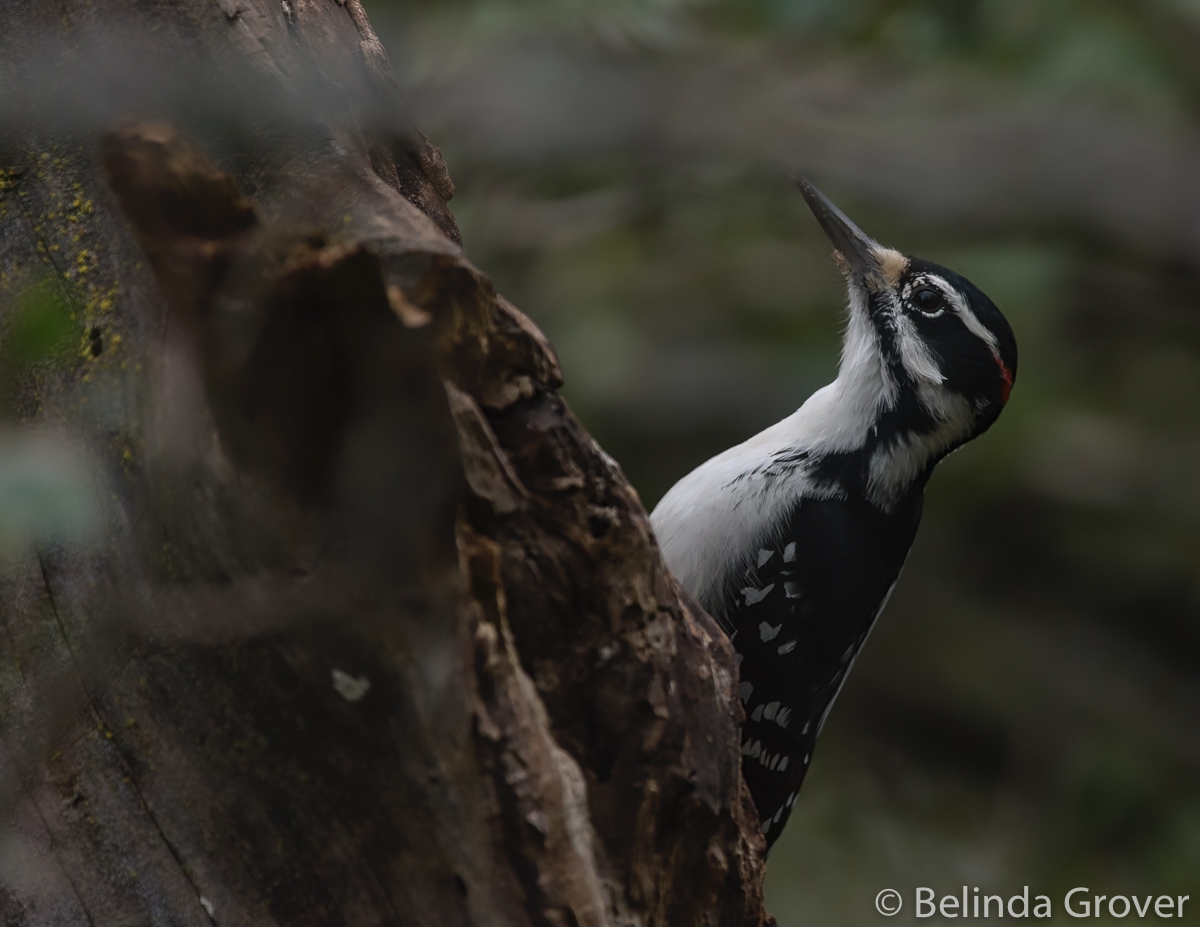
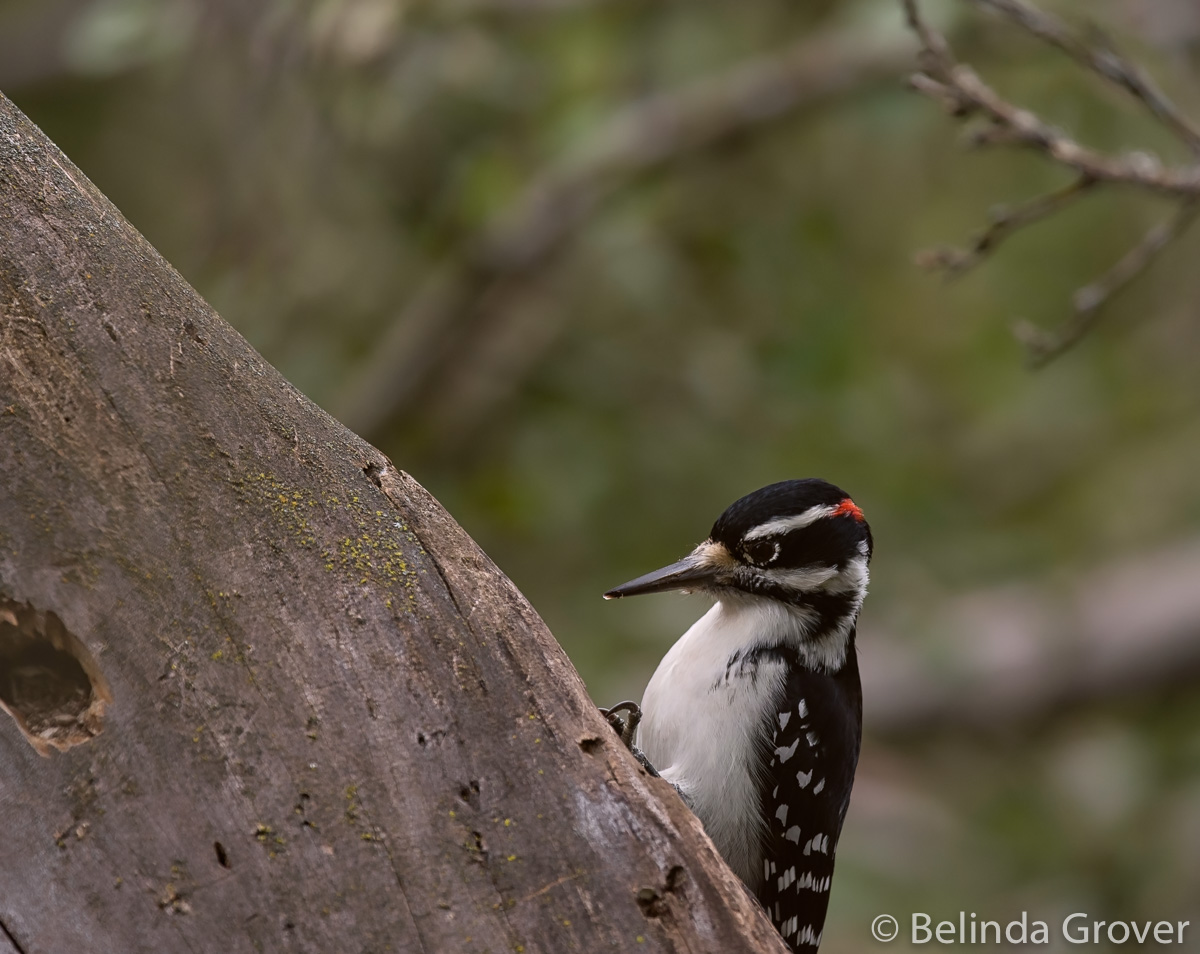
The hairy woodpecker is larger than the downy with a longer bill but their colouring is very similar. This fellow was working his way up and down the tree trunk, in and out of sight. I caught him as he came back into view.
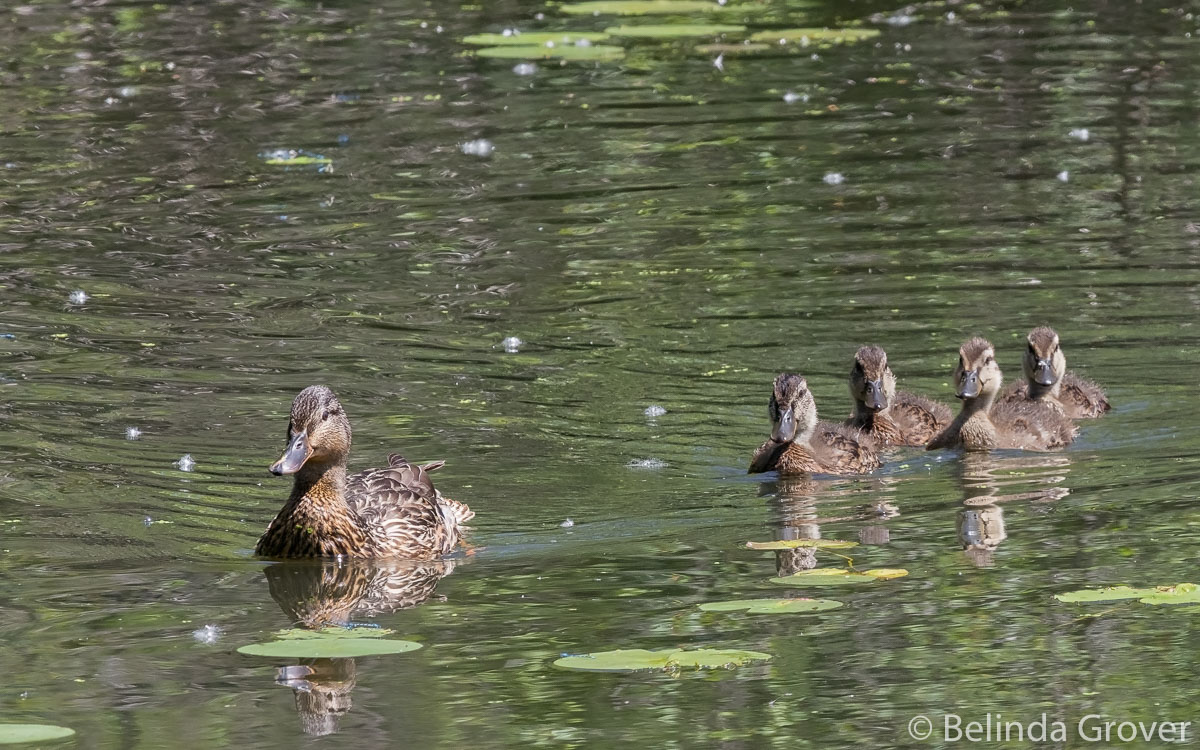
Mallard Mom and her young ducks, still juveniles. Not sure if they’re male or female at this stage. The adult keeps a bit of a distance but the juveniles seem more comfortable with little space between themselves.
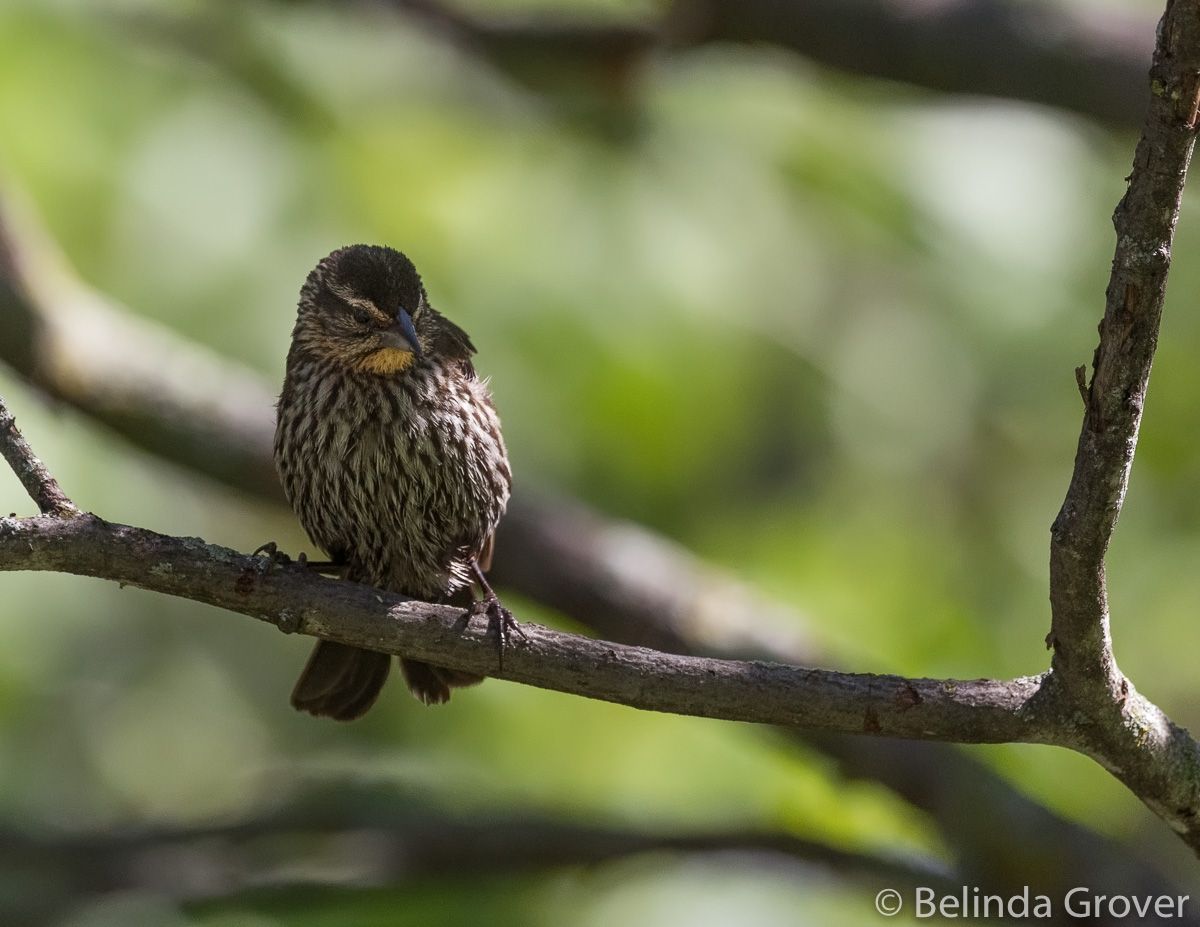
I caught sight of the red-winged blackbird in the half light of the woods. The female seems to prefer to remain in the background or on her own unlike the more flamboyant male who sings his tune for all to hear. 😊
The Canada Goose might not be Canada’s favourite export. They’re noisy, messy birds, and can be aggressive to both people and other geese when they feel threatened. However, they are quite elegant when you catch them in a pose like this.





















 BELINDA GROVER PHOTOGRAPHY