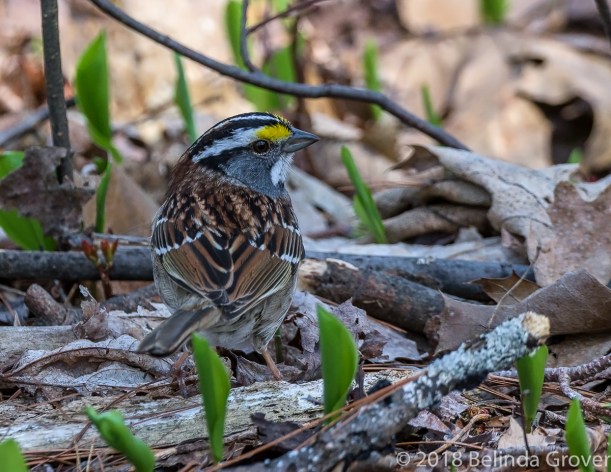
It was nice to see this sparrow on the ground at a relatively close distance. I usually spot them high up in the trees flying from branch to branch. The bird was nicely framed by new vegetation and seemed to be listening for something.

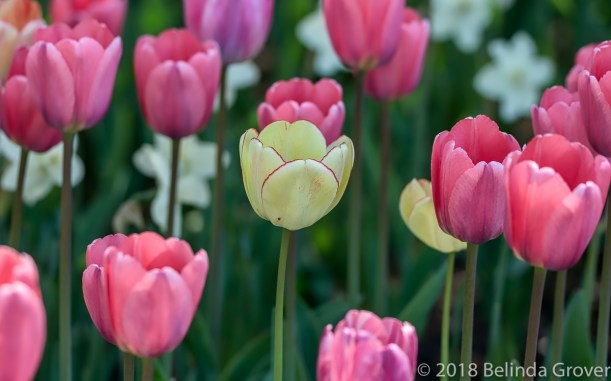
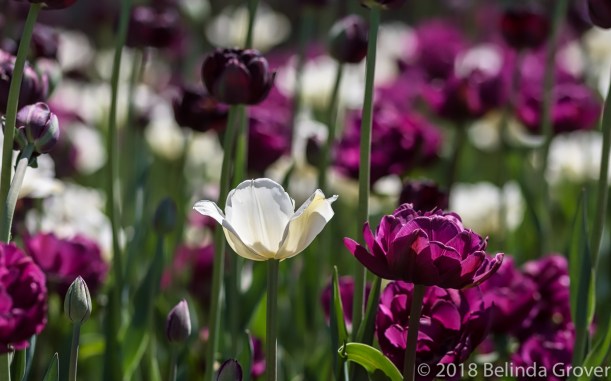
Nothing announces spring like tulips. With their scent, colour and perseverance, they appear soon after the last snow has melted. These photos were taken at Ottawa’s annual Tulip Festival. Given the late spring we’ve had, the tulips are a bit slower to open this year and there are still tulip beds that haven’t completely bloomed. Still though, a beautiful sight.


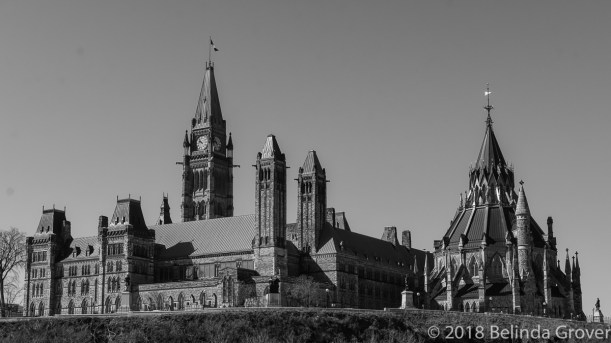
This cliff side view of Canada’s Parliament Buildings is an impressive sight. The photo was taken on a brilliant spring day but I thought the Gothic Revival architecture lent itself to a black and white treatment. The Parliament Hill complex was rebuilt in 1916 after a fire raised the original to the ground, only the Library of Parliament (the building on the far right) survived the fire. After more than a century the buildings are in the process of being renovated but at this writing, you can still walk around the grounds, toss a ball on the lawn, even raise a protest sign!

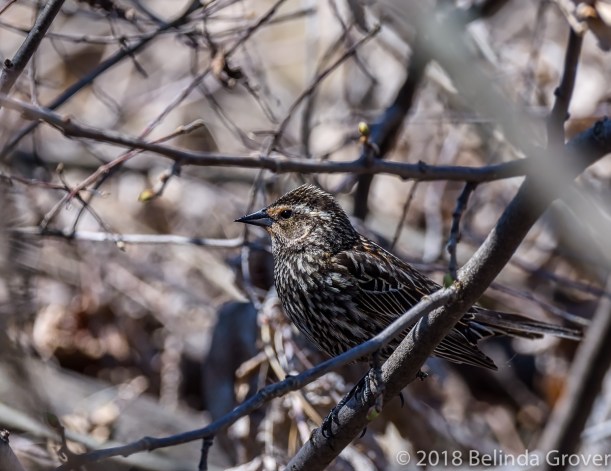
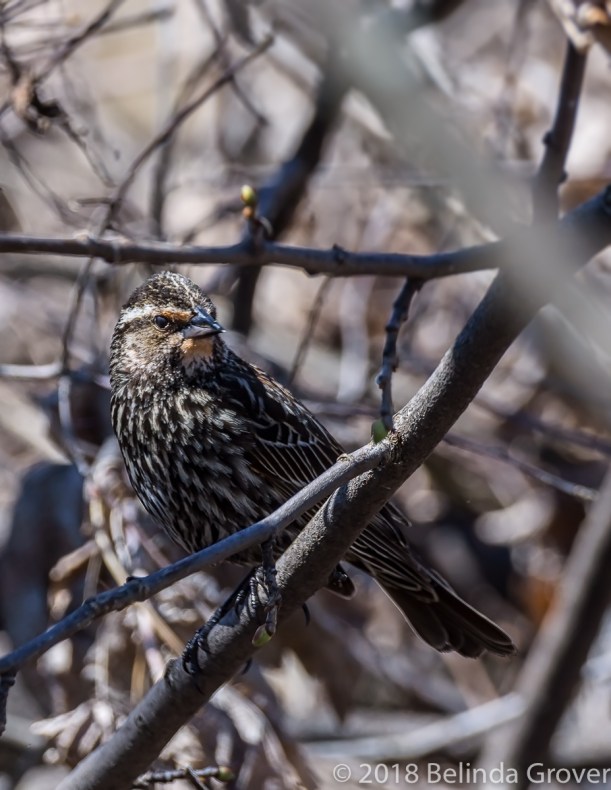
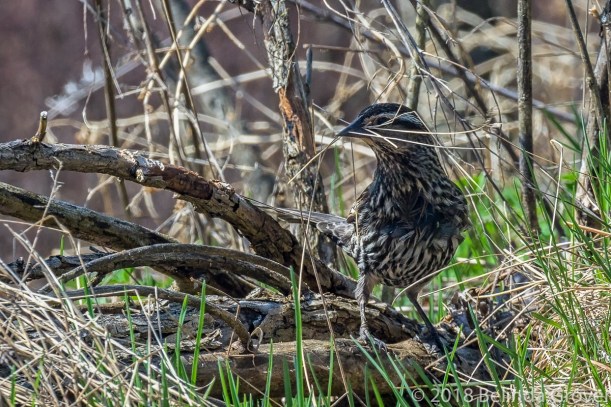
The first time I photographed a female red winged blackbird I wasn’t sure what I was looking at. The female is so unlike the male in appearance. They are quieter too, often in the underbrush gathering nesting material as this bird was. They do blend in quite well so I was pleased to have taken this shot.

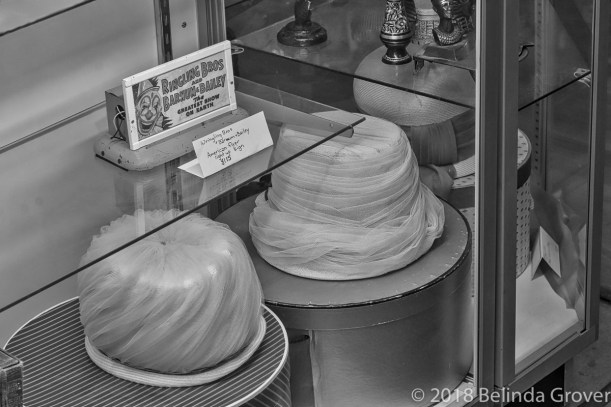
The shape and colour of these old fashioned hats reminded me of the fondant candy I enjoyed as a kid. There was nothing sweeter or better tasting I thought.
The antique market was below street level and the illumination was low. I raised my ISO to get some speed but still only shot at 1/80th of a second. I think the lighting added to the mood and worked quite well.


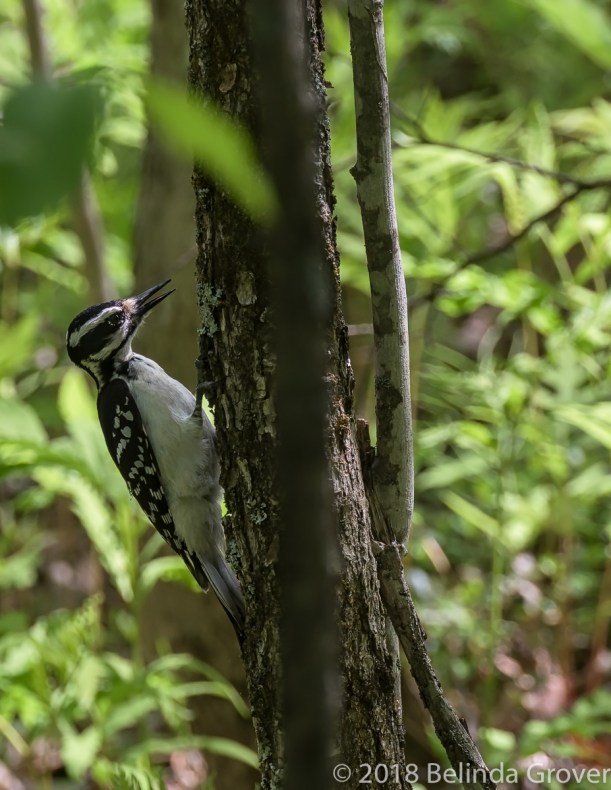
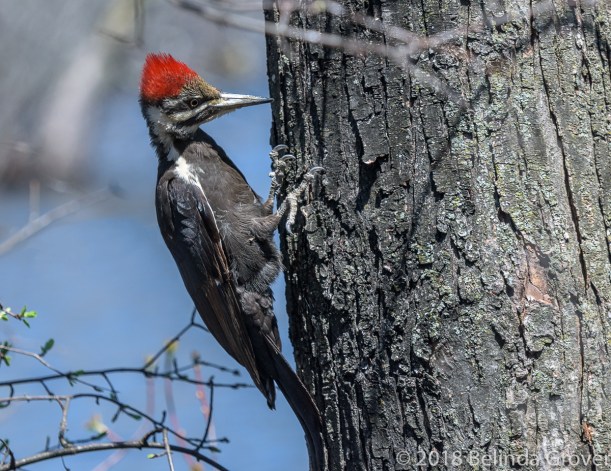
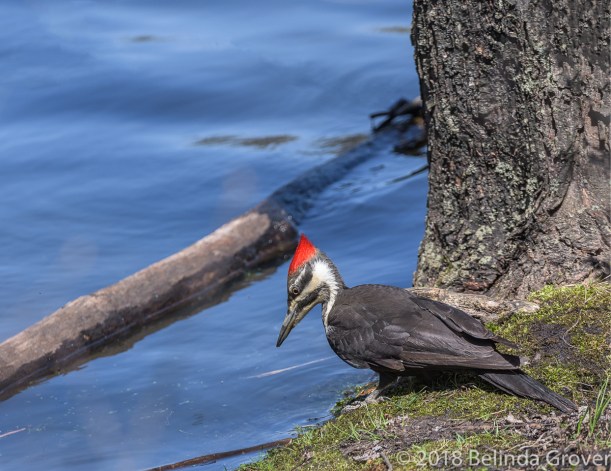
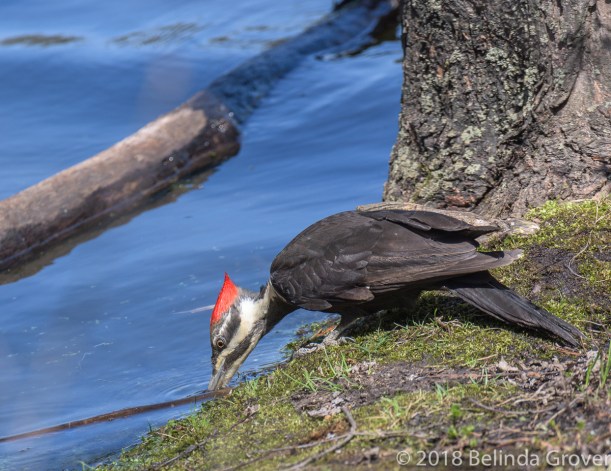
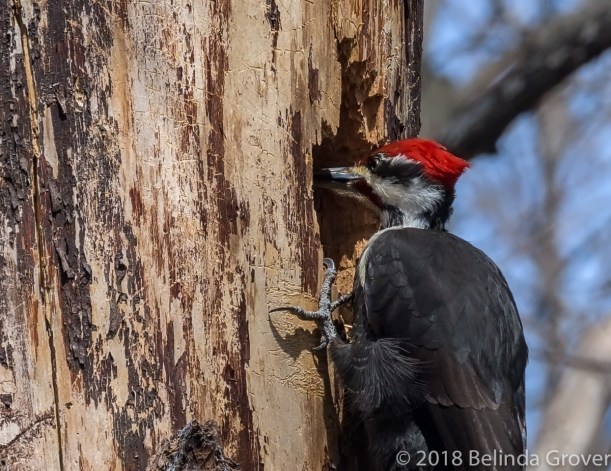
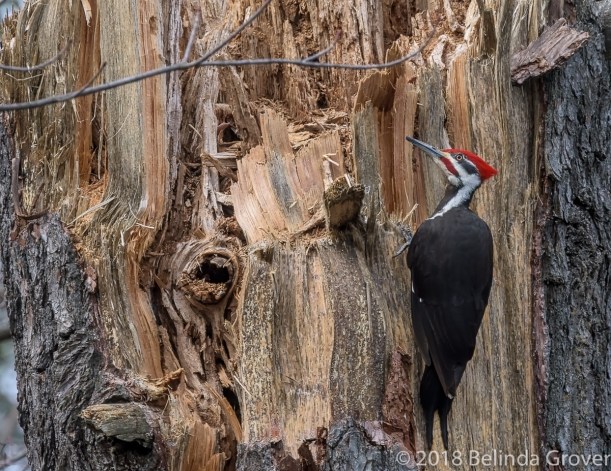
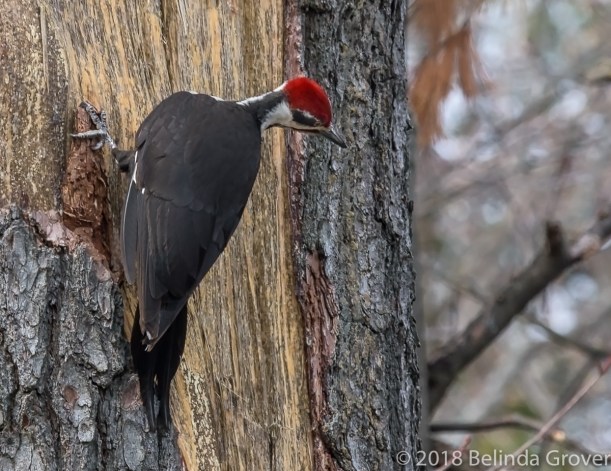
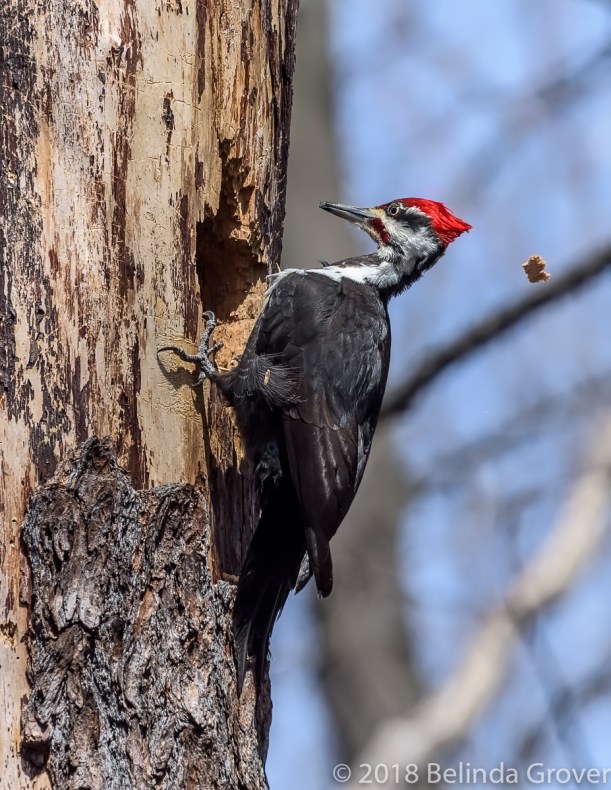
In the first photo the bird is checking his progress so far. In the other two the woodpecker has just landed. The condition of the tree is the result of a short lived but powerful storm that hit this area last fall and left hundreds of trees severely damaged or destroyed. Fortunately for the birds and we nature lovers enough remain for the birds to breed and build their nests. Always a treat to see these flashy birds in the woods.


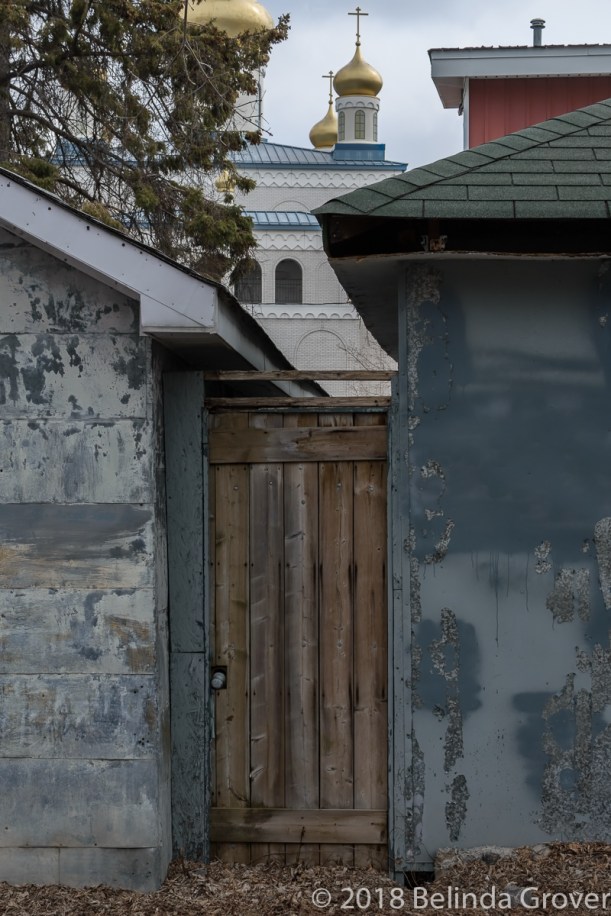
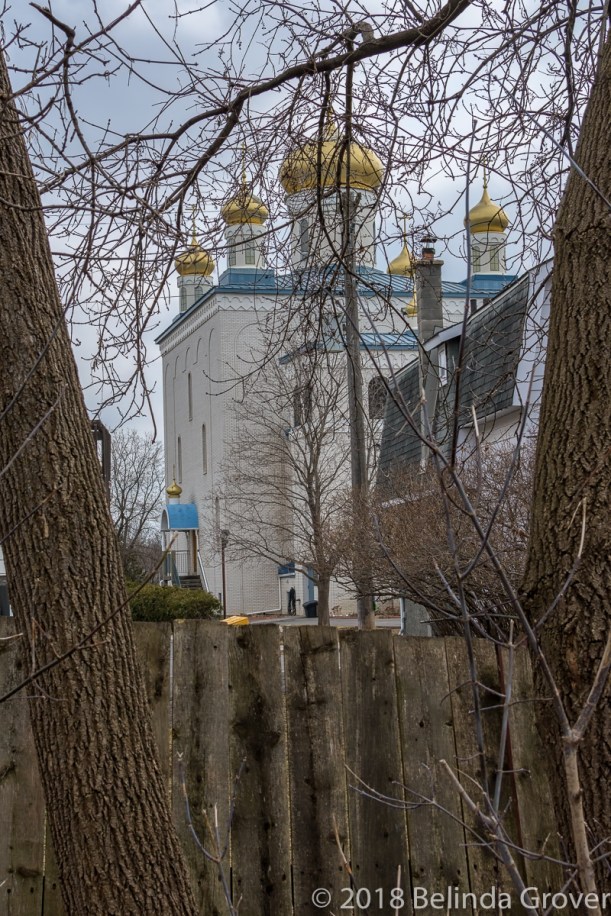
While exploring an unfamiliar neighbourhood we turned into a nearby laneway. I had seen this church from a distance but was unaware that it was in a perfect line of sight. For a moment I imagined myself in the warm mediterranean and not a chilly laneway in a city that has yet to see Spring.


This is the woodpecker I mentioned in a recent post, we saw it last time we were at the reserve. I was a bit of a distance from him, shooting through twigs and branches but with no leaves out yet I did manage to get some clear shots. We heard the woodpecker working away before we saw him. A fellow photographer standing nearby like a beacon led us right to him. We didn’t see the bird’s mate but hope to when we return next time.

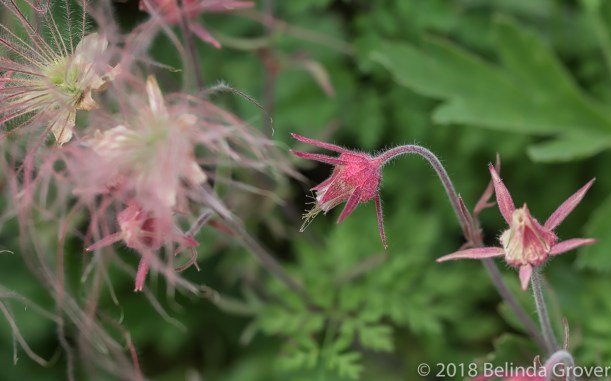
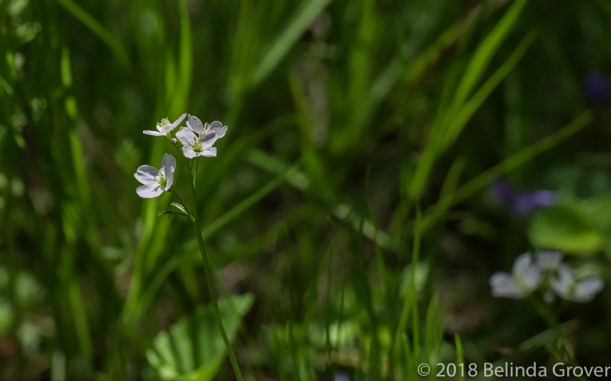
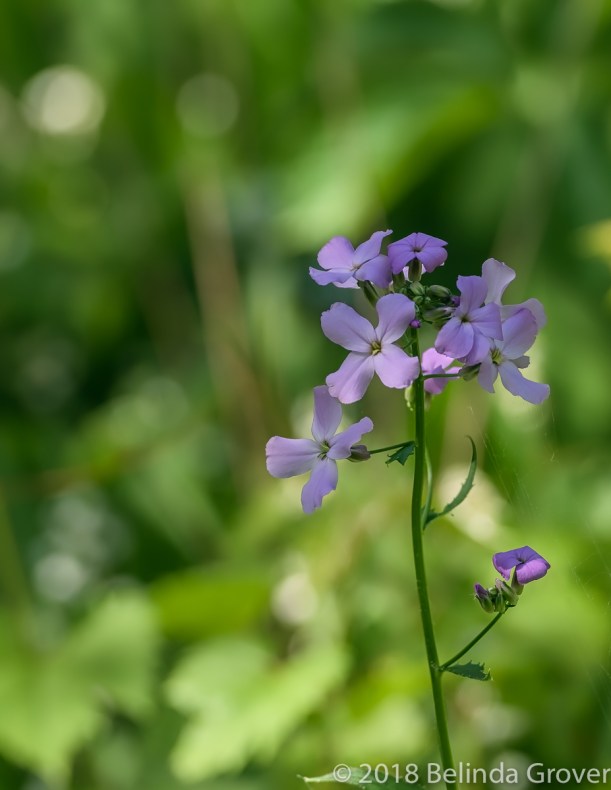
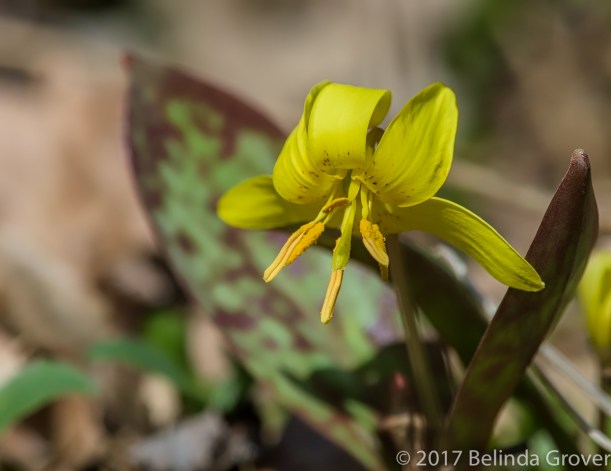
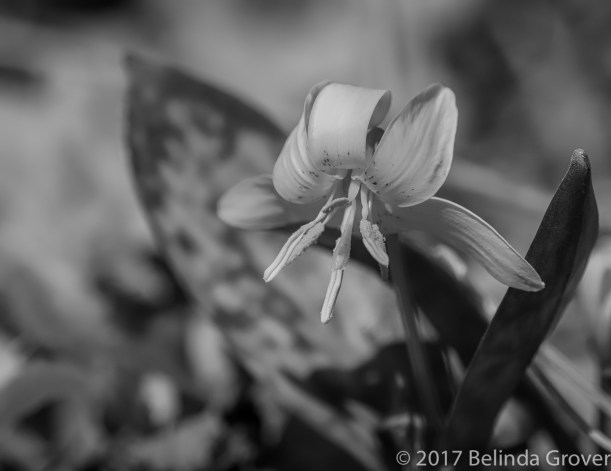
These are one of the first forest flowers of Spring. I took this photo in April last year when the weather was warmer. It’s always a pleasure to see these bright bursts of colour welcoming the season along. They usually keep company with snow drops and violets. I’ll check on their progress next time I visit the nature reserve.


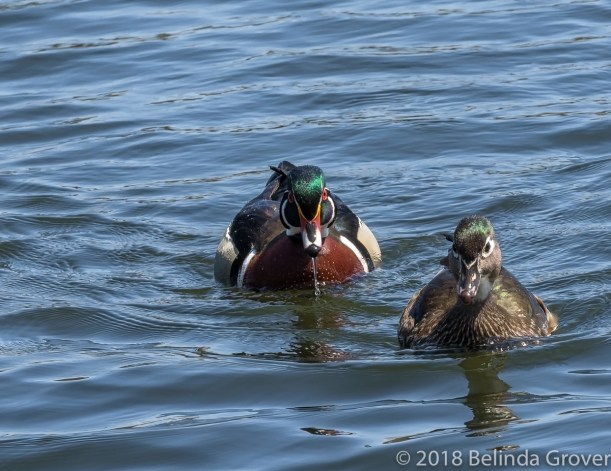
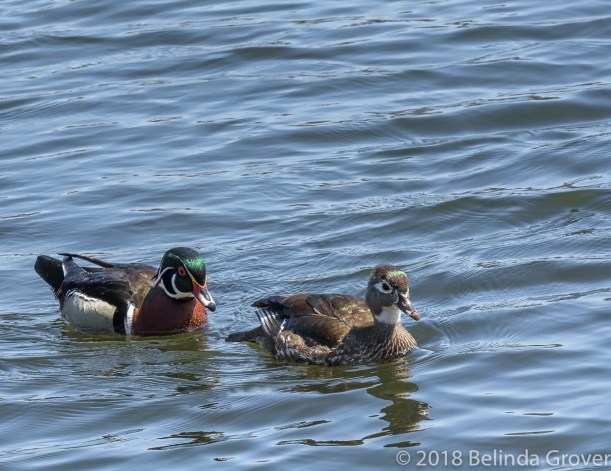
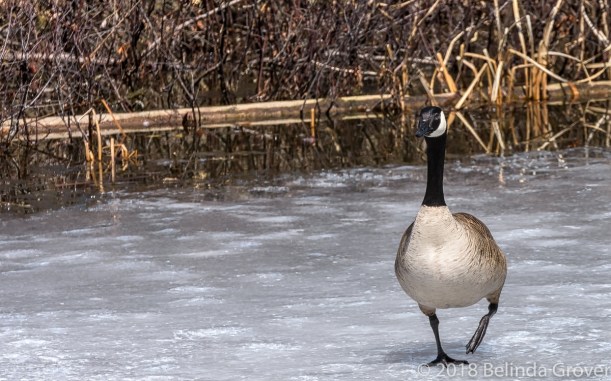
We stopped by a reserve today hoping for a few signs of Spring. This is what it looks like in my corner of the world! This Canada Goose must have been wondering what was going on… The ice is beginning to recede on the lake but we need some +C temperatures to help things along. No snow drops or wild violets yet but we did see a few wood ducks in the open water and a pileated woodpecker starting a nest, sure signs of spring!

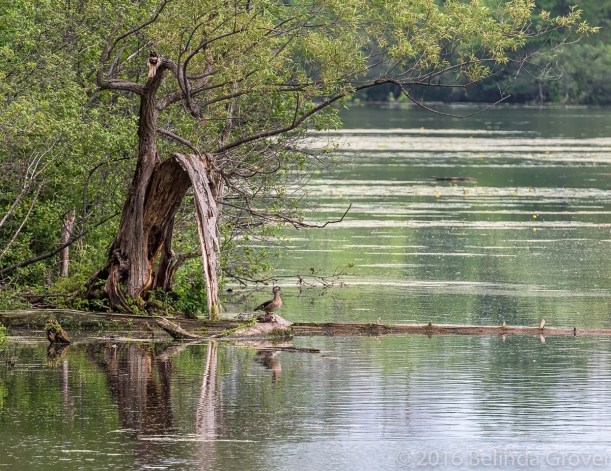
I have always loved this old tree. It hangs on by the edge of the lake, battered and scarred but still standing. The graceful curve of its bark forming a waterfall-like reflection in the water and one of its branches forming a jetty. Birds still gather near it, the wood duck and her chicks having a rest for a while.

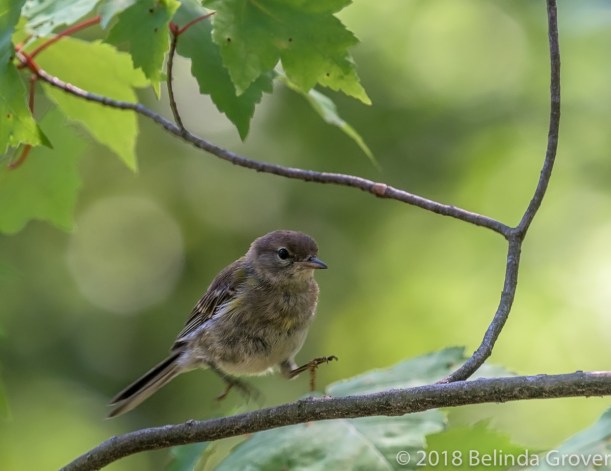
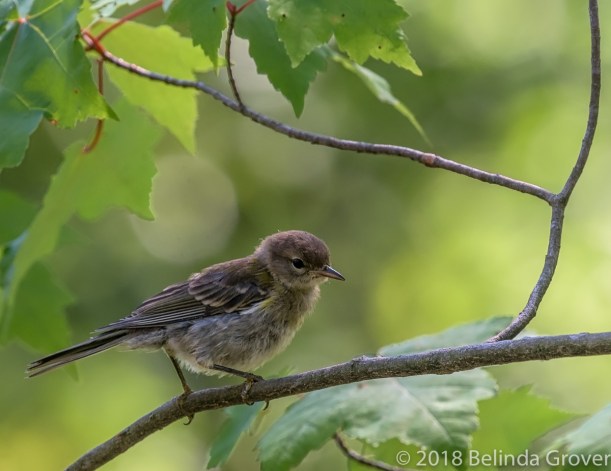
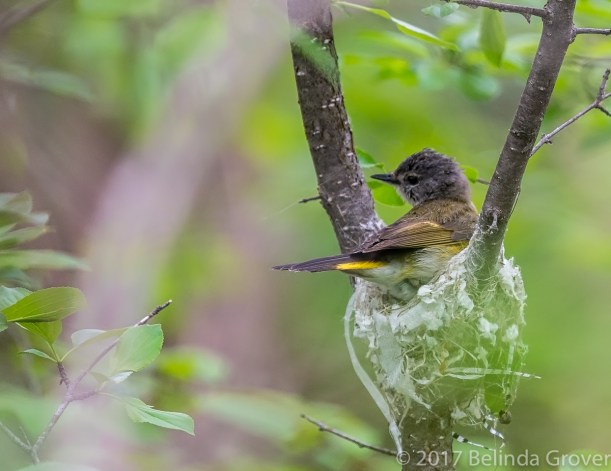
I saw this female Redstart during nesting period last Spring. We were climbing up a steep, tree lined path when someone up ahead motioned to the nest. This shot was taken on an uneven surface through the trees and although the bird’s body was nice and sharp, her head wasn’t as sharp as I would have liked it. Yet, it was my first nesting Redstart, so all and all not a bad beginning to the season.

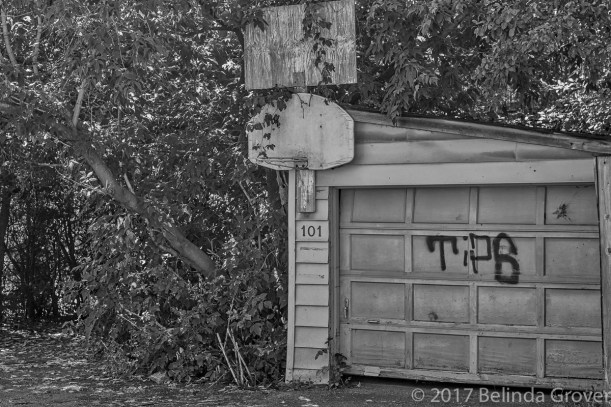
This scene could belong to a different era. The grainy look to the photo lends itself to this feeling. Taken in one of the city’s laneways, it was nice to see that the beautiful tree was left to grow, possibly offering a bit of shade to the kids shooting baskets today and in the past.


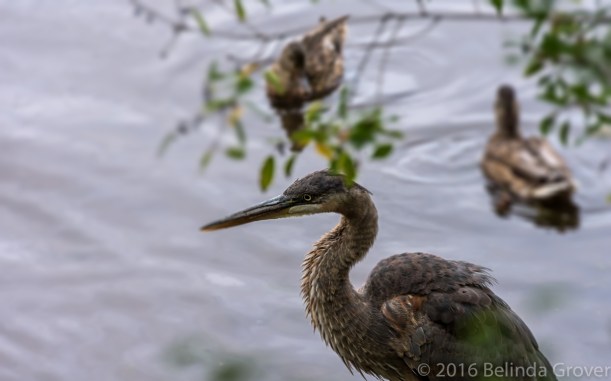
I have never been this close to a Great Blue Heron. It had landed right on the water’s edge, a few feet from where we were standing. There was a lot of brush around, which I couldn’t avoid but I don’t mind it in the frame. I used Field Blur in Photoshop to soften it a bit. I wondered if the heron was a young bird, it was so close to us and yet so fearless.

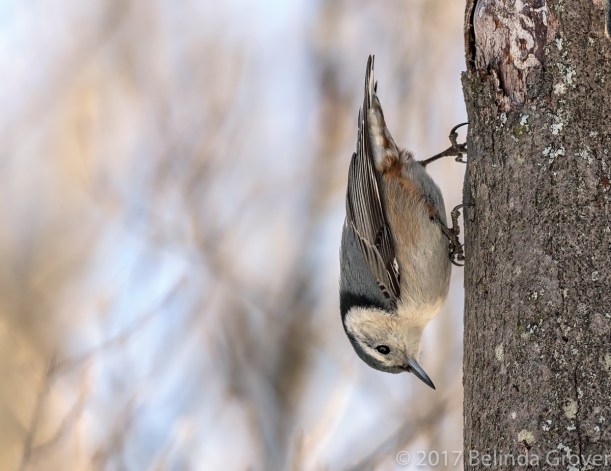
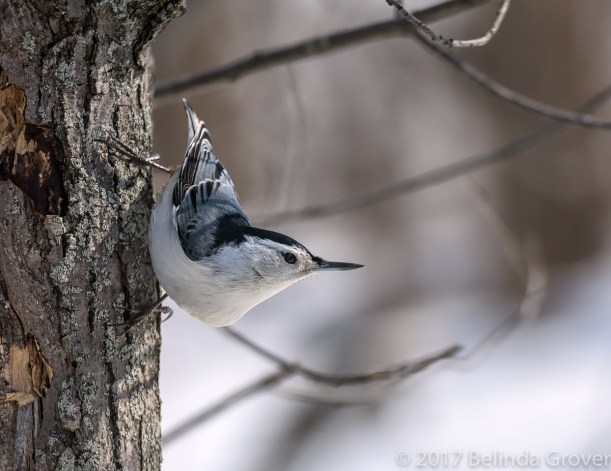
I love to watch nuthatches as they search for food, their moves are very impressive. Their nasal calls are distinctive and will lead you to them if you don’t spot them first. Both of these photographs were taken last winter, the first when the sun was low casting a golden glow. Both birds were male, they have darker caps than the female’s greyer version.


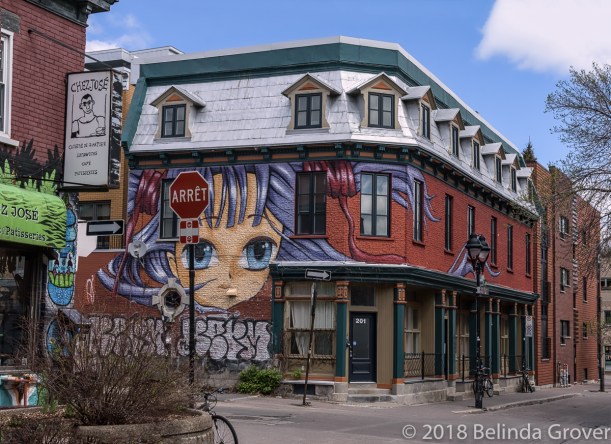
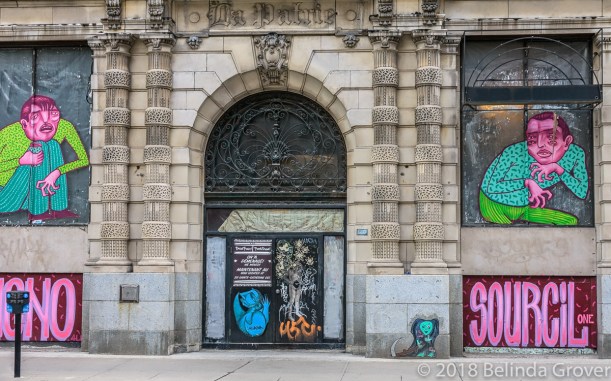
Both of these shots were taken in the city and combine developing interests of mine: street and black and white photography. An angle, a curve, the play of light, something left behind; the photographer pulls the various aspects together. The 60s feel of the commercial strip and the geometric design in the second photo lent themselves to black and white treatments.


Two summers ago we had several Great Blue Herons at the reserve which was not the case last summer. In 2016 the water level was lower than this past year which made for easier fishing. The first heron is flying away with a catfish, the second is displaying a rather graceful takeoff. These herons are a pleasure to watch and photograph in flight or as as they stalk, fish, or preen, usually ignoring the photographer.


Both of these squirrels are well represented in our woods. The red squirrel looked like a young one, relaxed as he ate his snack. Maybe he thought I couldn’t see him with the branches providing a bit of cover. The black eastern grey squirrels are more common here than the grey variety and he was more on the alert than the red.


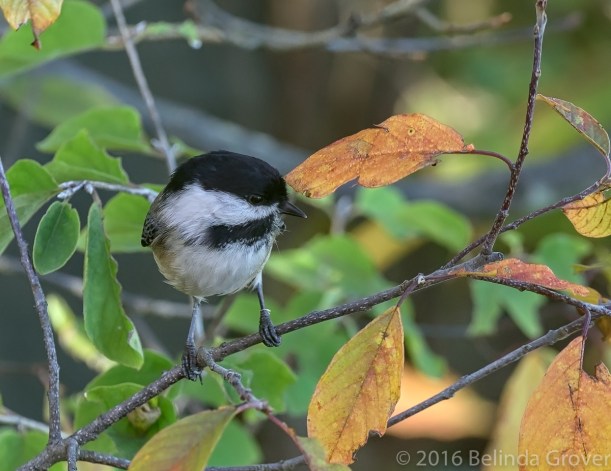
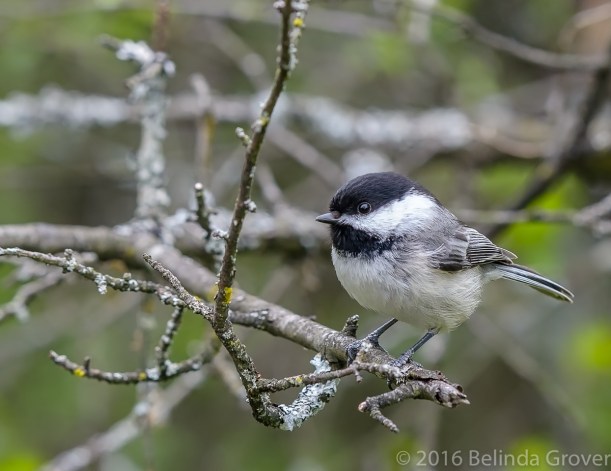
The chickadees seem to have come through the long winter in fine form. The trails are scattered with seeds that walkers provide as they visit the park, so the few birds that we’ve come across are looking pretty well fed. We’ve seen more squirrels than birds so far but as the warm weather returns I’m sure that will balance out.


I enjoy editing in Black and White, working with contrast and shadow. And then there’s the different tone and mood that is struck in b/w. These photos of ordinary looking buildings were taken in different neighbourhoods and were constructed several decades back. I liked the angles and textures in the first photo. The shadows created by the icicles and the bit of whimsy on the roof of the house caught my eye in the second.


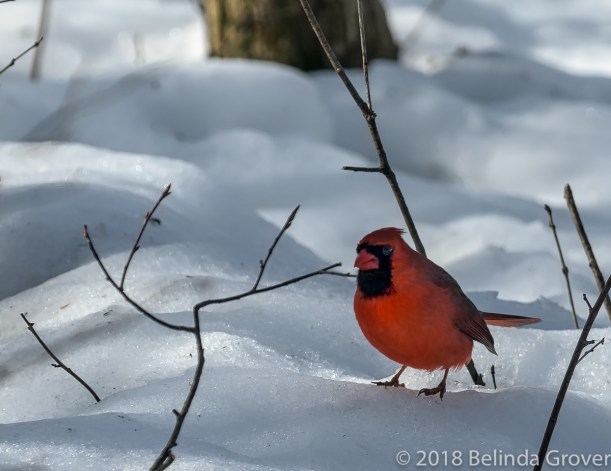
The first Cardinals of 2018! There’s still a good amount of snow on the trails but on that day it was sunny and warmer so we had a good surface on which to walk. Given the brilliant white of the snow this male cardinal looked even more striking against the white background. On a day like this we could feel spring inching along.


I’ve featured nuthatches several times before. They are common in our woods but like a lot of birds that are considered pretty ordinary they have extraordinary beauty and personality, two attributes that aren’t that common really! The bird is in pretty typical poses for nuthatches, acrobatic birds that they are.


The city landscape is constantly changing. People move in and out of neighbourhoods. Businesses open and close. A lot of older neighbourhoods are undergoing gentrification often losing the character that made them what they were. I wonder if this vacant store and the building behind it, already surrounded by high rises, will remain or will be turned into just more concrete towers. I prefer the black and white version of the photograph and include the colour for comparison.


Our local florists and grocery stores are stocked with spring bulbs and flowers, By late February most of us are eager for signs of spring. These tulips were taken last May at our annual tulip festival, still several months away but it’s never too early to enjoy their colour and anticipate their return.


Not only attractive little insects, hoverflies also serve a useful purpose. They are pollinators, their larvae prey on aphids and other plant destroying insects. Their appearance wards off predators as they mimic wasps and bees and yet they are generally harmless. They pack a powerful punch in a tiny package!
This was one of those quiet days at the reserve, a pleasant walk but nothing much about. As we headed back to the car we saw some people nearby and someone pointed out a green heron at the water’s edge. The path was narrow, the light poor and trying to maneuver around branches and people was a challenge. The bird was backlit and there was a colour cast. I corrected the lighting in Lightroom and used Photoshop to correct the colour cast.
This is the very first sandpiper I have photographed. I have seen a few shorebirds along the river but they were never close enough to get a decent shot. This bird flew into a quiet inlet and was at the limit of my lens. I thought the rocky ledge he was perched on made for an interesting background and compensated for the fact that the bird could have been just a bit closer.

We had a number of egrets at the lake this summer and they remained well into October. When they first arrived they stayed just out of lens’ reach, in the middle of the lake. As the weeks moved on they came in closer to shore. An earlier post of mine has one perched on a beaver lodge within easy range. The egret in today’s post was fishing quite close by and when he caught a sushi-sized fish, I wondered if he was going to toss it back and look for something larger.


I took this photo at a country fair a few summers ago. The boy was struggling to get the heifer to walk around the ring. They were both pretty determined but the kid managed to prevail. Opportunities to take pictures at public venues are getting more restrictive but there are still a few places where no one seems to mind.

The common grackle is a member of the blackbird family although larger with iridescent feathering and striking yellow eyes. Grackles are resourceful and opportunistic foragers. The two shots of this grackle were taken moments apart and show the difference a well lit subject can make to a photograph. In the first photo the position of the bird caught the light to advantage, showing off its spectacular colouring; less so in the second example as the bird changed position. However, capturing the bird with a snack in its bill added some interest and made up for the less than perfect lighting.


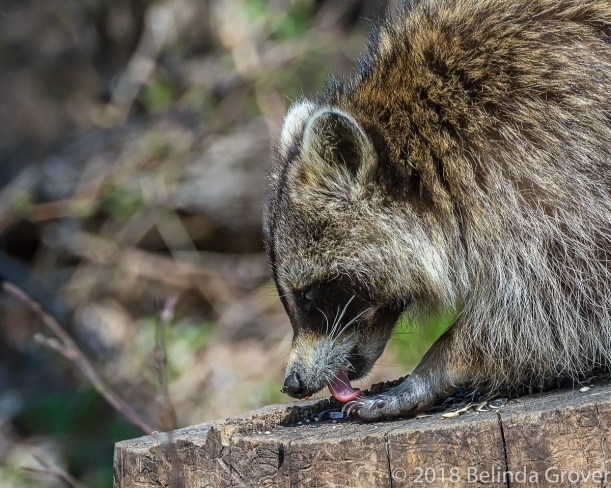
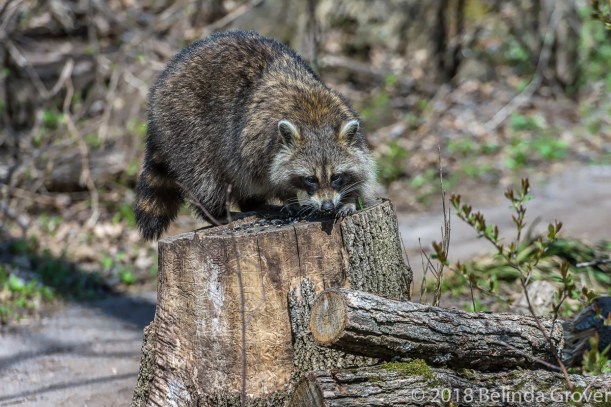
There are several spots we always check on as we make our way through the woods. The raccoon was having a nap in a tree where we have spotted raccoons before. The tree is located a fair distance off the path in a dark wooded area. Out of camera the shot was a bit grainy (it was taken at a high ISO) and given how far I was from the subject I had to crop the image significantly. I processed the shot with Macphun’s Noiseless Pro and Nik detail extractor. Another issue was the white balance which I corrected in Lightroom.

On the days when the wildlife in the nature reserve makes itself scarce, you can always count on some mallards to show up. They are a lively bunch and I enjoy their antics. While the majority migrate south during the winter months some remain. I took this photograph in mid-November as the ice was just beginning to form on the lake. The duck obliged for a few shots then walked over to an opening in the ice and swam away.

This variety of butterfly is one of the first we see in the spring and remains well into the fall which is one of the reasons I like it so much. I’ve found that cabbage whites often stay in place longer than other butterflies so I’m able to take several shots before they move on to another flower. This butterfly ignored me completely but the bee’s presence certainly got it’s attention. It was a brilliantly sunny day when I took these photos and the flower in the shot was blown out. In order to add some detail and tone down the harshness, I applied a radial mask in Lightroom, inverted it and adjusted the exposure. As both pictures were taken within minutes of each other under identical conditions, I used the copy and paste feature in Lightroom to adjust the white balance, contrast, shadows and exposure. A new tool in my kit.


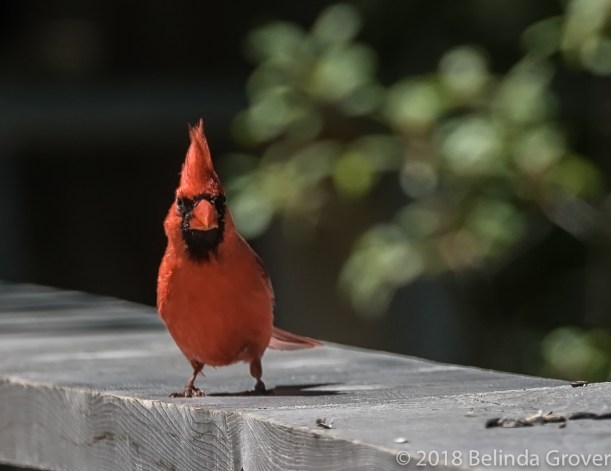
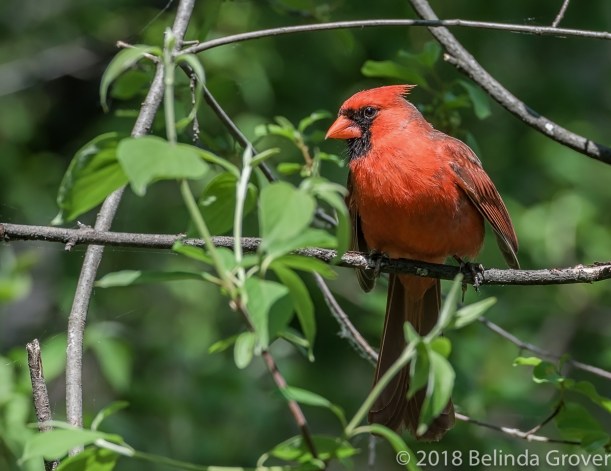
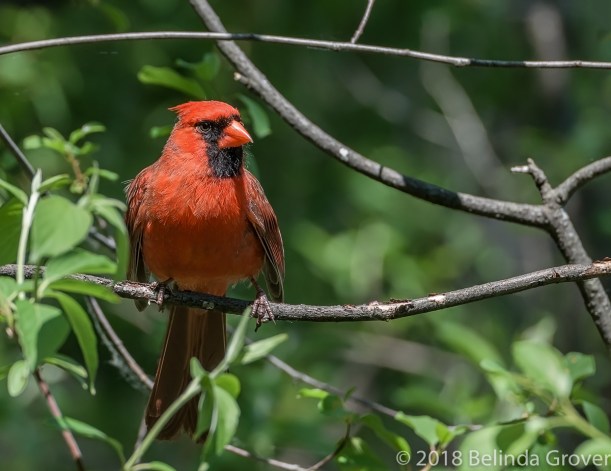
I spotted this cardinal in a dense grove of trees and waited for him to emerge. Away from feeders they are shy birds. Often all you see of them is a flash of crimson in the woods. I took many photographs before I got a clear shot not obscured by branches. The background was closer than I would have liked and a narrower depth of field wouldn’t have made much difference. Despite this I think the brilliant fellow stands out.

I was happy to see that the bumblebees were plentiful in our area this year. I never cared much for insects or bugs and bees used to send me running in the opposite direction! However, since I became interested in photography and started observing their behaviour, I learned that when left undisturbed bees tend to ignore everything around them and just go about their business. I love the challenge of trying to photograph insects in flight, anticipating their movements. Taken at 200mm, at 1/640th of a second I managed to capture the bee in motion. I made contrast, shadow and exposure adjustments in Lightroom and sharpened and enhanced detail in Photoshop.