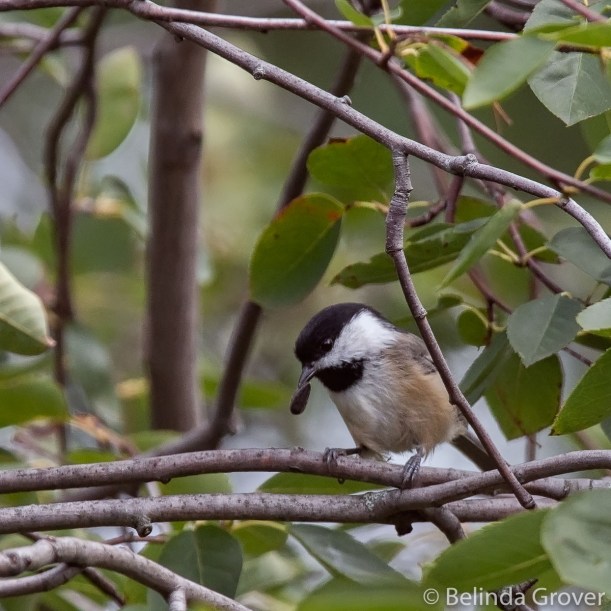
The chickadee, about to tuck into his snack, was at quite a distance from me but still in range. It’s nice to photograph birds and other animals when they’re engaged in some activity, or as in this case, about to be.
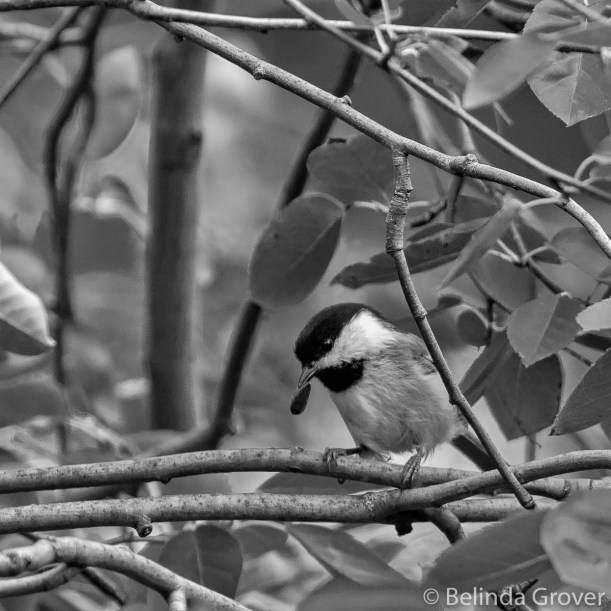

The chickadee, about to tuck into his snack, was at quite a distance from me but still in range. It’s nice to photograph birds and other animals when they’re engaged in some activity, or as in this case, about to be.
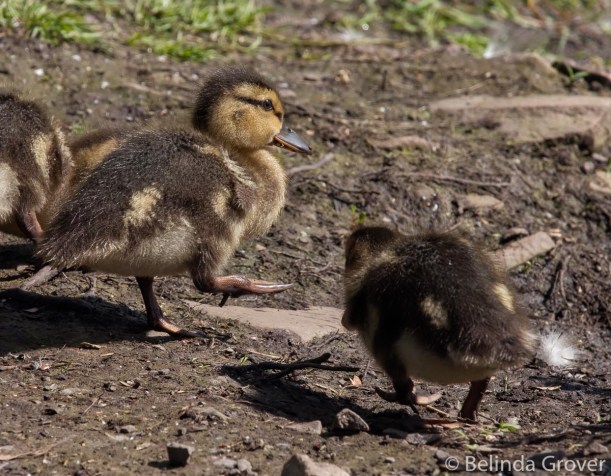
This duckling was curious about its surroundings, while the rest of the brood were more interested in eating. Not the best of backgrounds but the duckling made up for it.
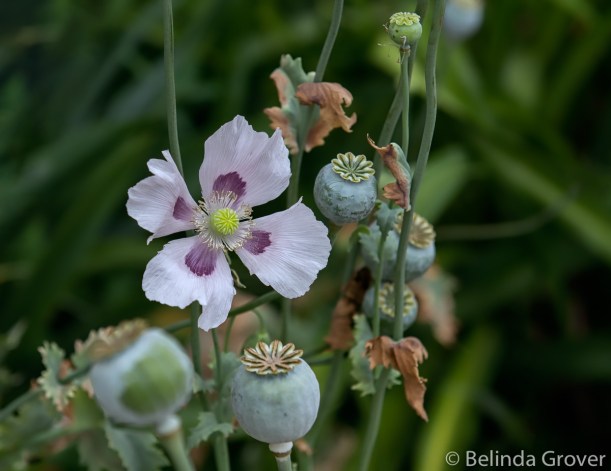
I hadn’t remembered taking this mauve poppy last year and found it when I was searching for a photo to post. I still prefer red poppies but the mauve has a delicate beauty all its own.
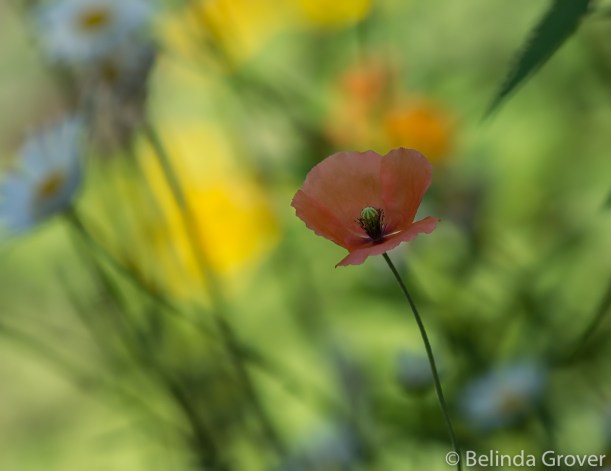
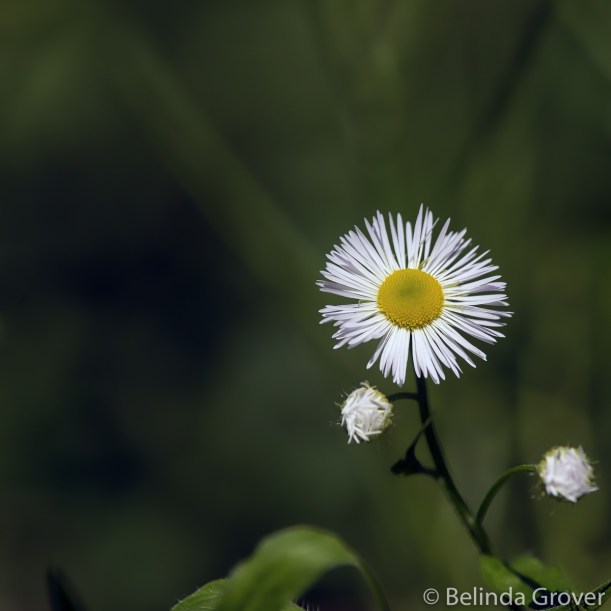
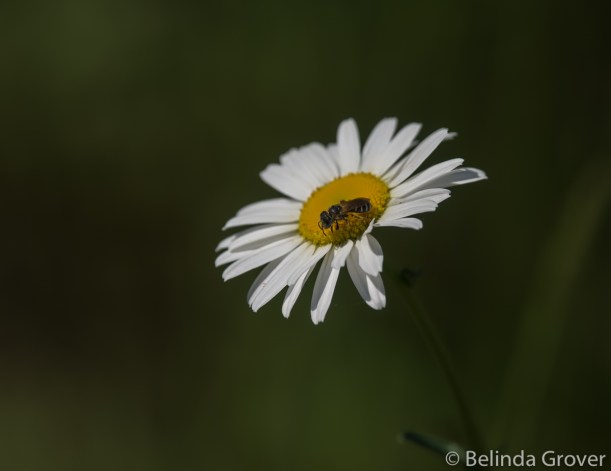
Our woods, roadsides and gardens abound in these daisies throughout the summer. The mimic fly was on a common daisy while the fleabane stood on its own. Both attract pollinators but only one did that day.
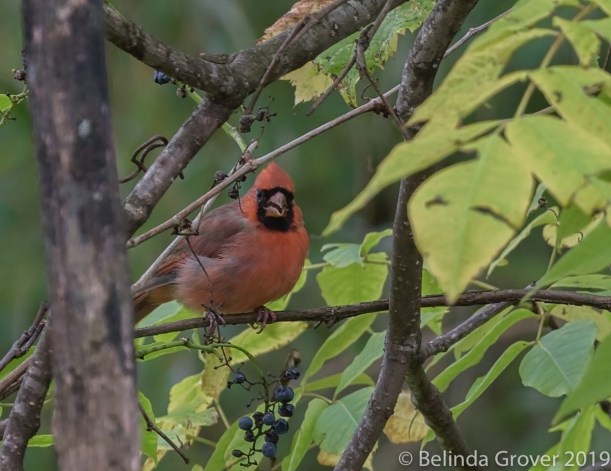
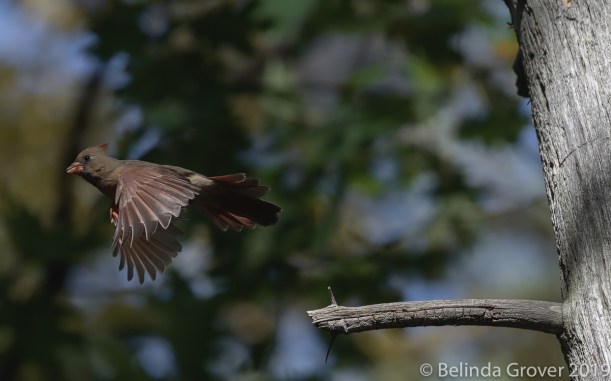
I took the top photo last fall when the leaves were beginning to fade, I couldn’t miss the cardinal though he was at quite a distance. The photo below of the female cardinal was taken earlier in the summer.
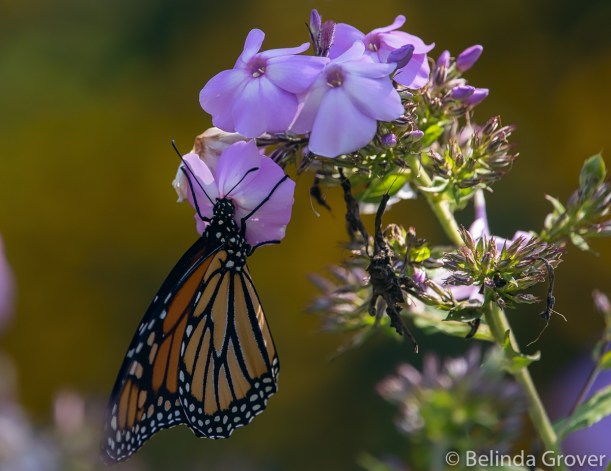
I’ve never seen a monarch feeding so intently before. It would have been nice if it had turned slightly but I caught its beautiful colours and its position added interest.
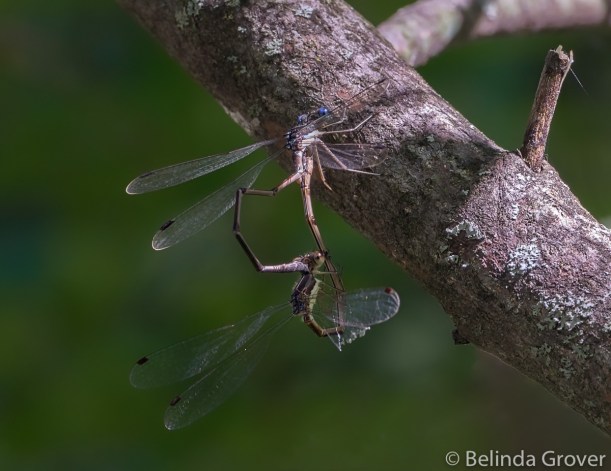
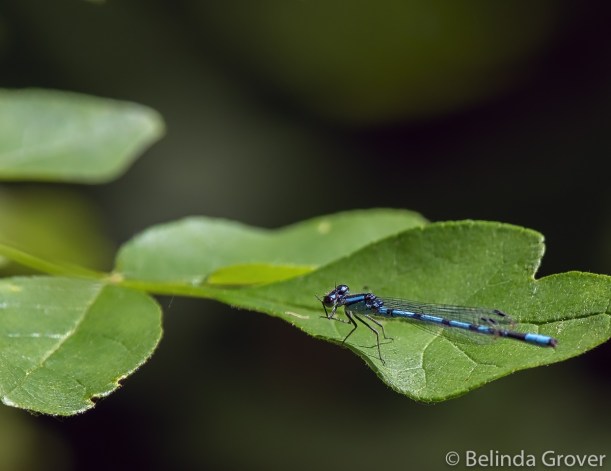
Summer is short here, a whole lot of living has to be done in a brief period of time. True for many creatures, particularly damselflies. Normally skittish but not on this day.
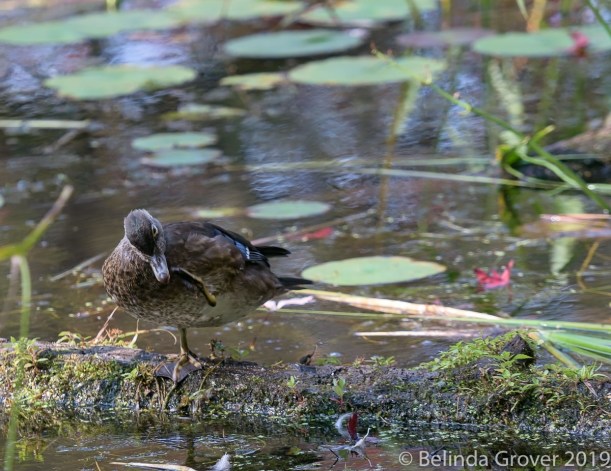
Wood Ducks arrive every spring like clockwork and last year was no exception. The reserve we go to has a good number of these ducks and the lake has many coves to catch a quiet moment 😊.
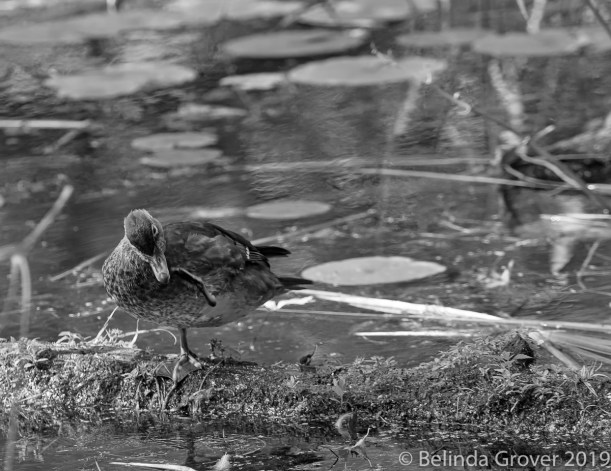

Female Wood Ducks are less colourful than the male, but equally good looking. I took this photo last fall when the autumn colours were at their height. The birds swam into the reflection and I took the shot.
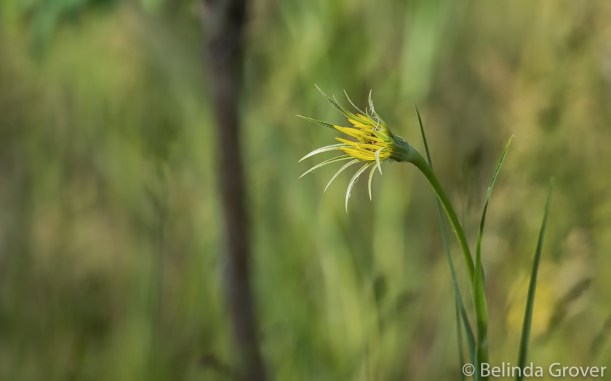
I look forward to seeing wildflowers each summer. They are hardy and don’t need special conditions to grow: just some soil, water and sunshine, and a few pollinators. Left undisturbed, that’s about it.
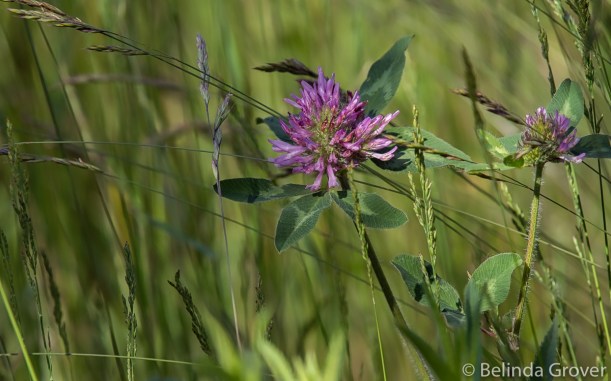

I’m more accustomed to seeing orange skippers (the Least or European) in my area so I was pleased to see this new variety. As the summer progresses, many butterflies linger as they feed and don’t seem to be bothered by the passing photographer.

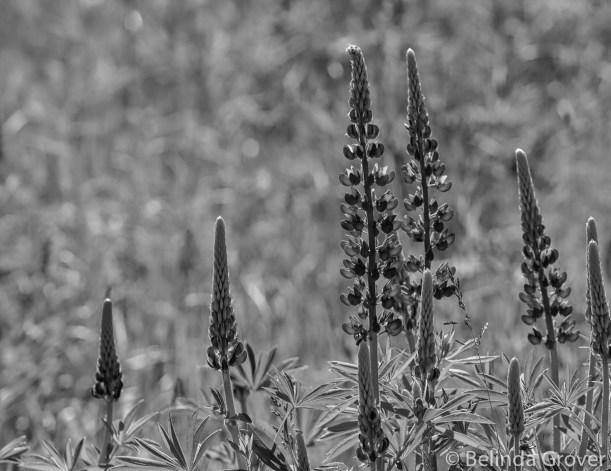
I do enjoy walking alongside meadows. In June, lupines are a common sight and shine like gems in the grass.
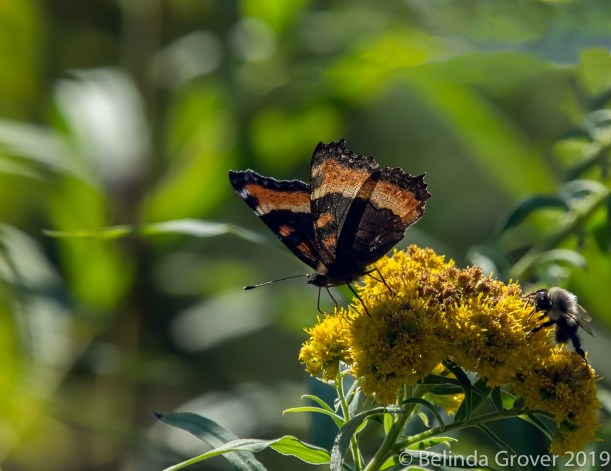
My eye was on the tortoiseshell butterfly, I didn’t see the bee at first. This was the first and only time I’ve seen this kind of butterfly. It’s interesting to see more than one insect on a plant at once, a bit of drama at play. In the end the butterfly blinked first and moved on.
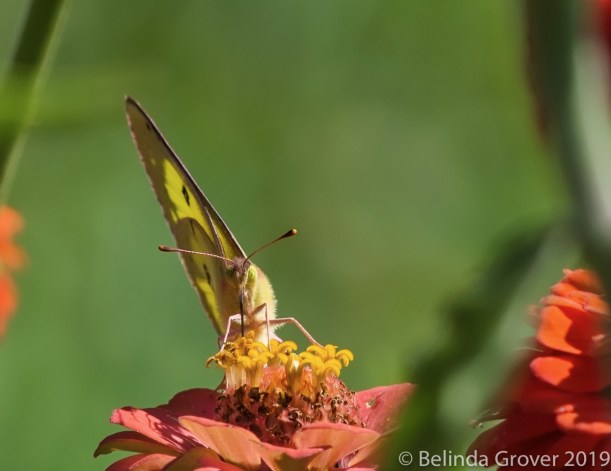
I saw quite a few sulphurs last year, all within the span of a few days. We were walking along some flower beds in a botanical garden hoping to see some painted lady butterflies. The day was a bonanza of butterflies, we saw three different kinds, including the sulphur.

The size of the tree frog perched in a dense clump of flowers and the light proved quite the challenge. I have only ever seen a couple of tree frogs before and I couldn’t walk away without a photo. I waited, changed my position and waited some more but he never turned my way. In the end though, I was pretty happy with the shot I got.
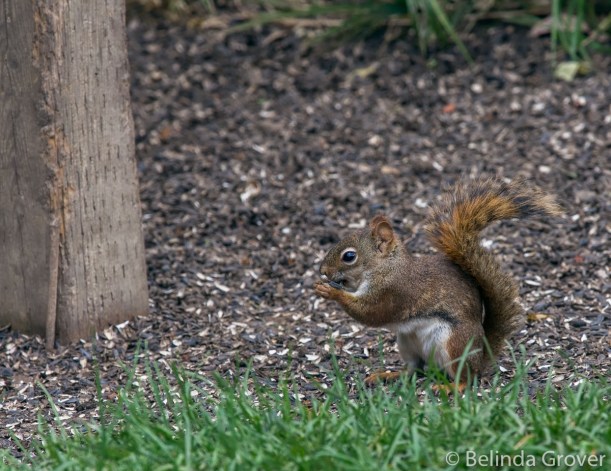
Red squirrels will scatter when you approach but when they’re eating they often choose to stay put as this one did. He had the whole place to himself and was taking full advantage.
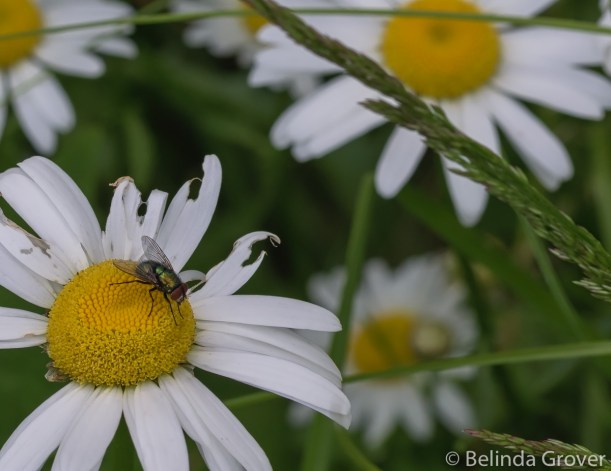
This colourful fly landed on the daisy as I was composing my shot. One of the things I like about nature photography is that you can’t always predict what you’ll encounter or the outcome of a shot. The possibilities are endless.
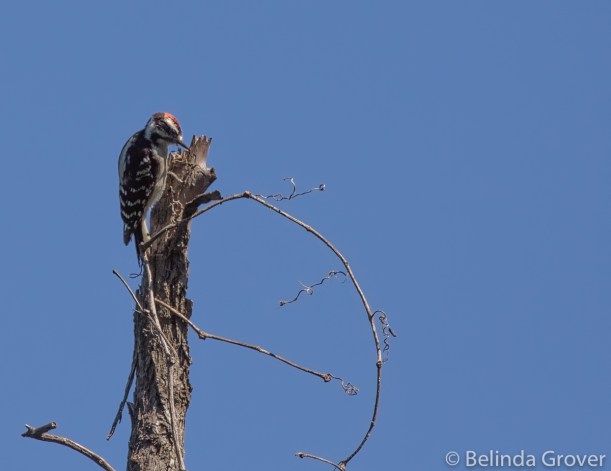
I’m glad the old tree wasn’t any higher! Sometimes birds find their way right to the top of a tree making for tricky photography. Wonderful bird, wonderful tree, what’s a bit of a sore neck after all. 😏

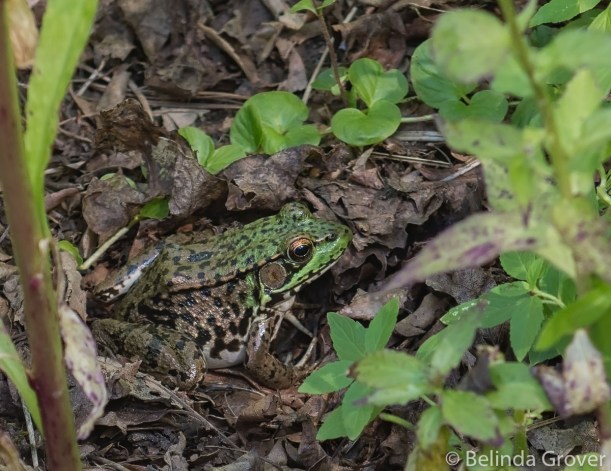
Frogs are no easier to spot when on land or in the water. A jump or a splash usually alerts me to their presence. The first frog looks pretty bold. The leopard frog in the second photo probably hopes he has disappeared into the background. Almost but not quite.

This dragonfly posed so nicely I just had to take its picture. It appeared to be having as good a time as I was. 😊
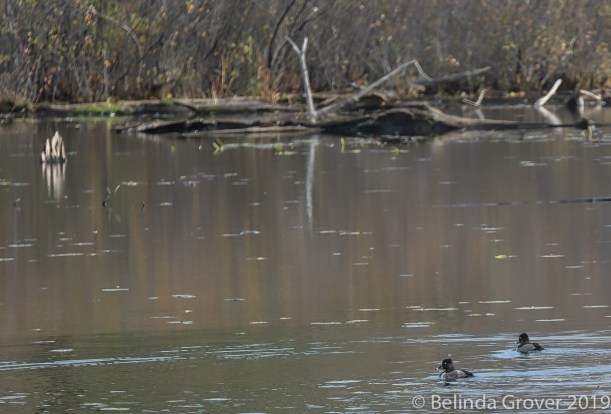
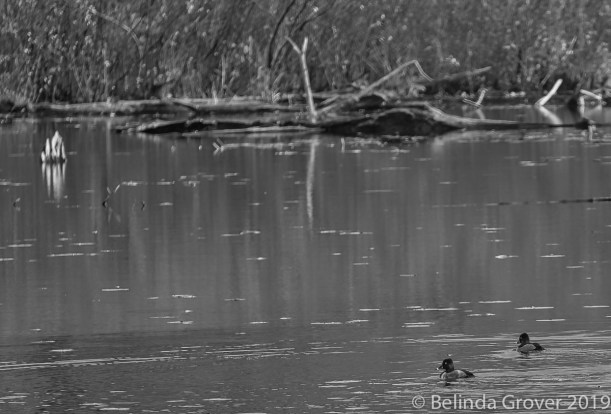
These ducks arrive in late October and never swim close to shore. They bob around in the middle of the lake, just a bit too far out. Yet I thought the scene was still worth taking as it captured the mood of a late fall day.
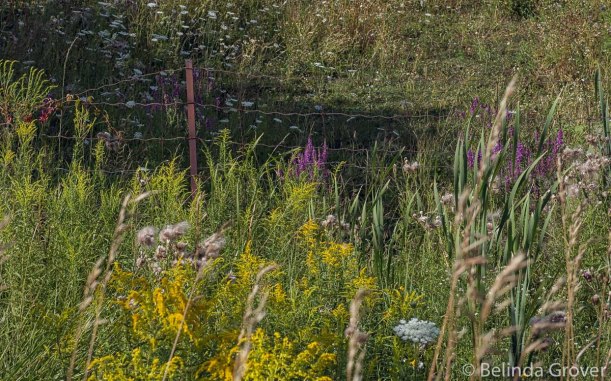
There is something special to me about walking through fields like these in summer. The colours and smells and sounds never, ever disappoint. So much to see and photograph.
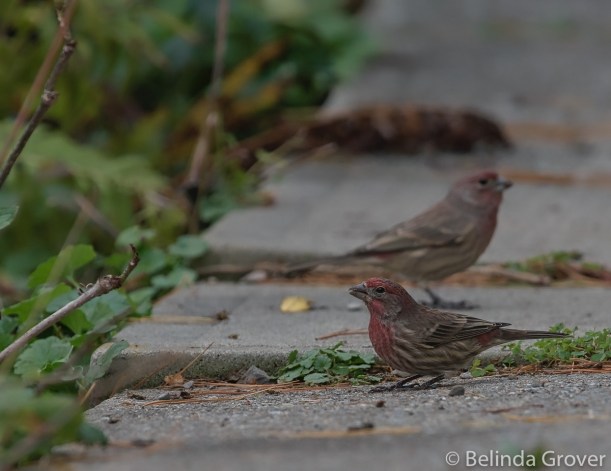
House Finches are native to western North America but were introduced in the east. Their colour, particularly the red plumage of the male varies according to diet. They’re attractive little birds, although quite common I rarely seem them.
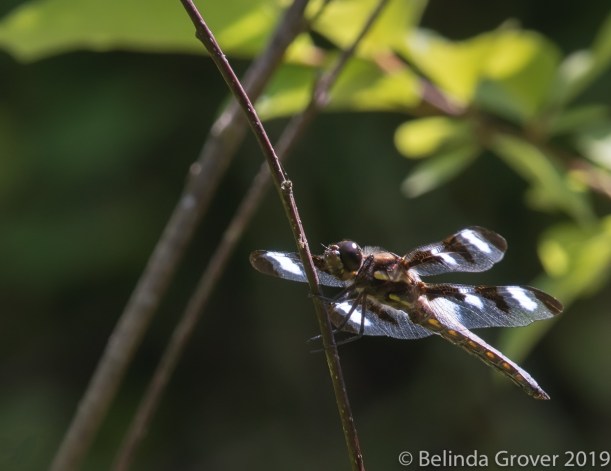
Another surefire sign of summer is the arrival of dragonflies. I saw this skimmer in early August. Each variety puts in an appearance throughout the summer. I’ve even seen a few still flying around late in the season if the weather remains warm.
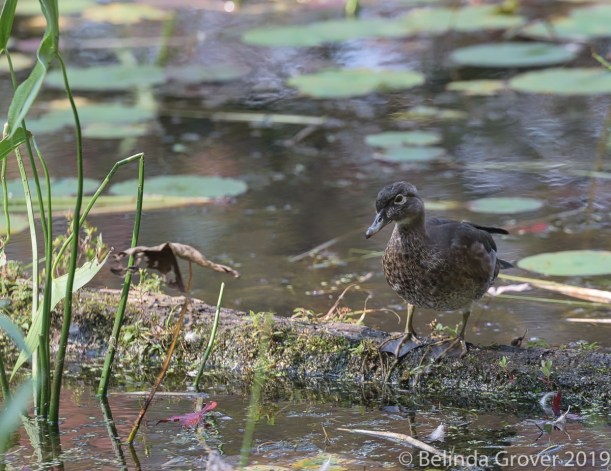
This wood duck was taken last fall, before they all flew south for the winter. I’ve noticed that unlike most ducks that tend to stick together, the female wood duck is often on her own above the fray.
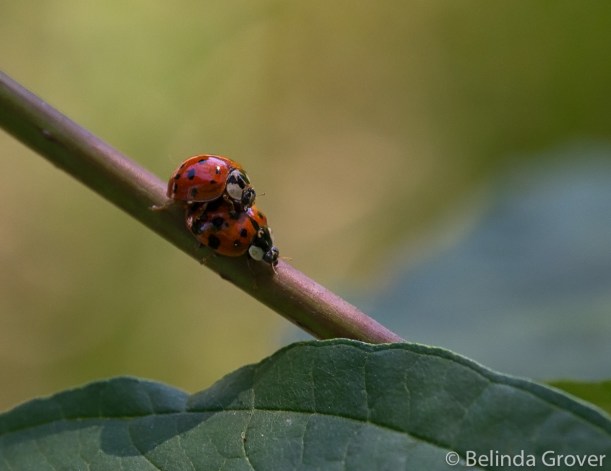
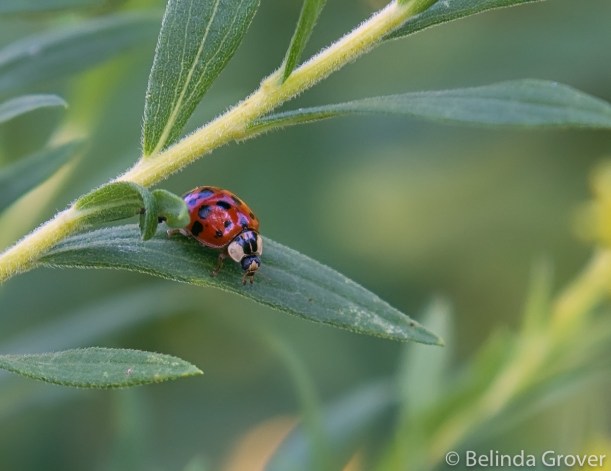
Ladybugs have tremendous balance and seem to do most things on the run 😏. Occasionally though they slow down enough to take a few photos.
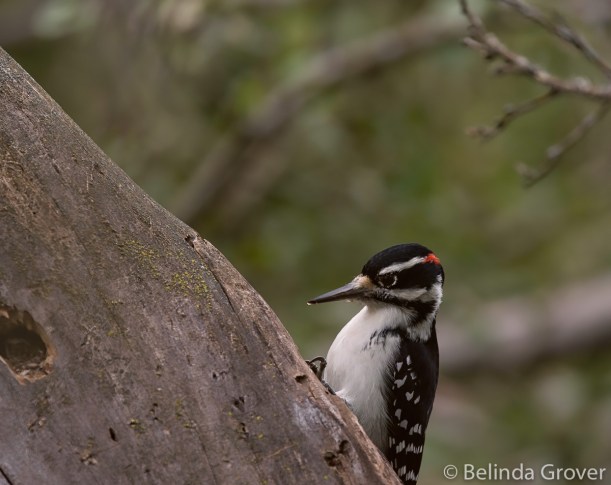
The hairy woodpecker is larger than the downy with a longer bill but their colouring is very similar. This fellow was working his way up and down the tree trunk, in and out of sight. I caught him as he came back into view.
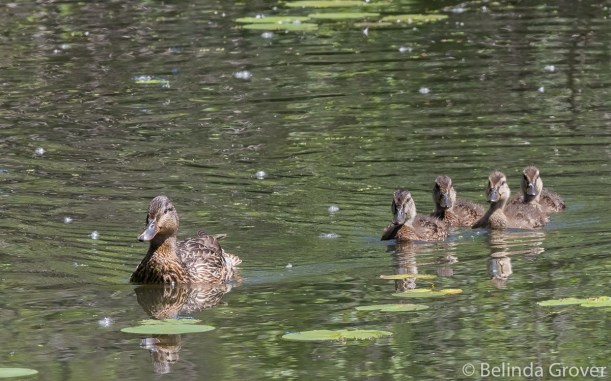
Mallard Mom and her young ducks, still juveniles. Not sure if they’re male or female at this stage. The adult keeps a bit of a distance but the juveniles seem more comfortable with little space between themselves.

I caught sight of the red-winged blackbird in the half light of the woods. The female seems to prefer to remain in the background or on her own unlike the more flamboyant male who sings his tune for all to hear. 😊

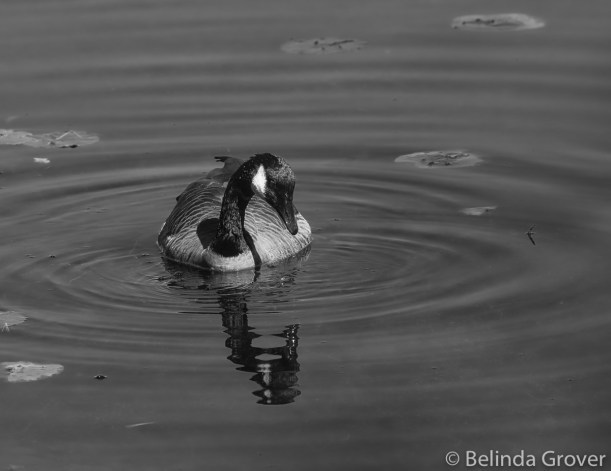
The Canada Goose might not be Canada’s favourite export. They’re noisy, messy birds, and can be aggressive to both people and other geese when they feel threatened. However, they are quite elegant when you catch them in a pose like this.

At the best of times, watching bees visiting flowers and gathering pollen is a good sign for nature and our part in it. In these troubled times, it’s reassuring to see that life continues, there is still order and more will return in time.
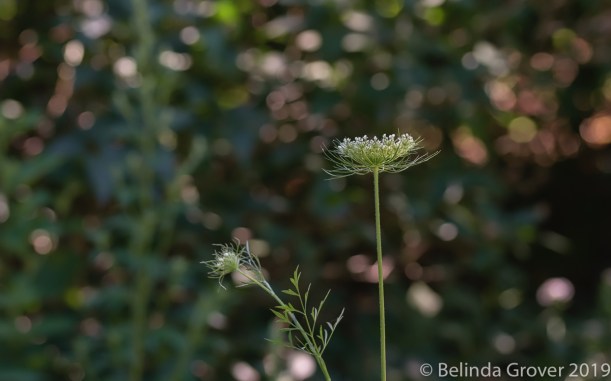
Queen Anne’s Lace is a flower I enjoy seeing and photographing. It grows alongside other wild flowers and grasses which makes for interesting compositions and it’s such a fine looking flower all on its own.
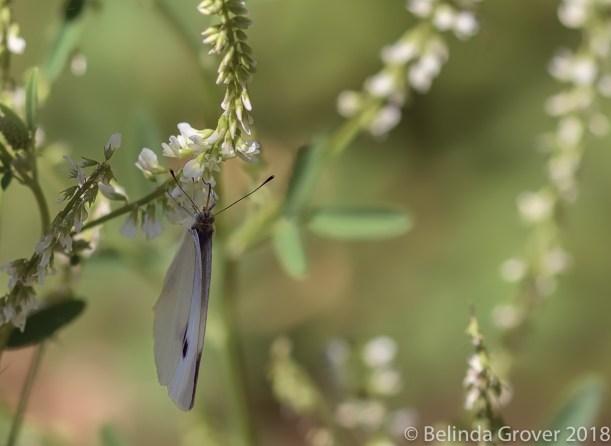
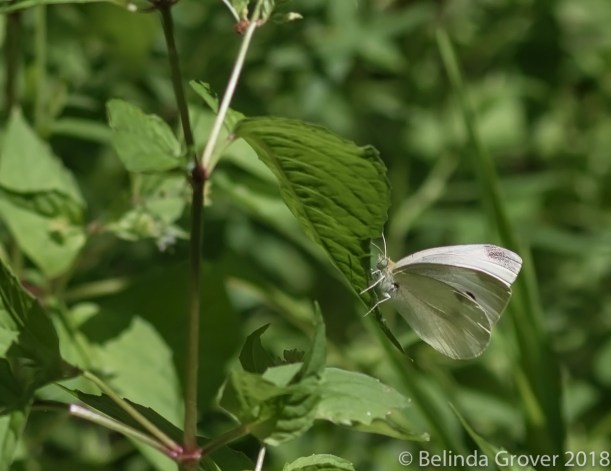
Another sure sign of summer are cabbage white butterflies. Their caterpillars are rough on gardeners but as adults they feed on nectar and are a pleasure to see. Unlike many butterflies, they fly slowly between the flowers and seem to linger longer than most.

Ants and peonies seem to go together. Ants feed on the flower’s nectar and also keep harmful insects away from the plant. The ant was racing along the bud but I waited until it finally slowed down and took the shot.
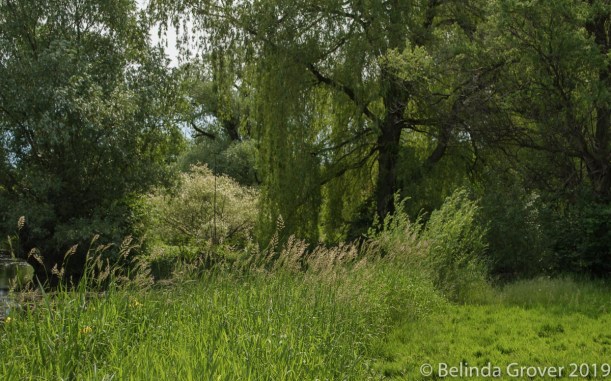
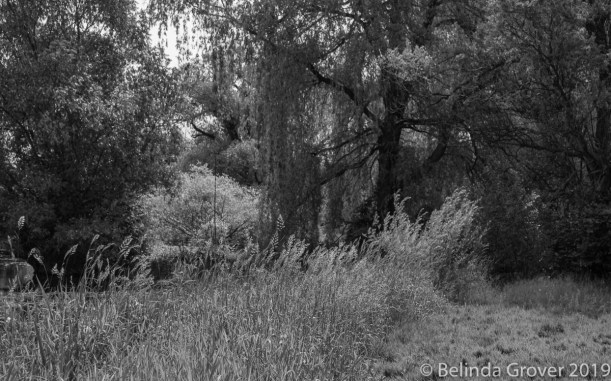
Just a walk in the park, actually a photo from a walk I took at the Dominion Arboretum, located on 64 acres of land in the city of Ottawa. You can’t see an offshoot of the Rideau Canal because the vegetation was so thick it hid it. A spot I hope to return to soon.
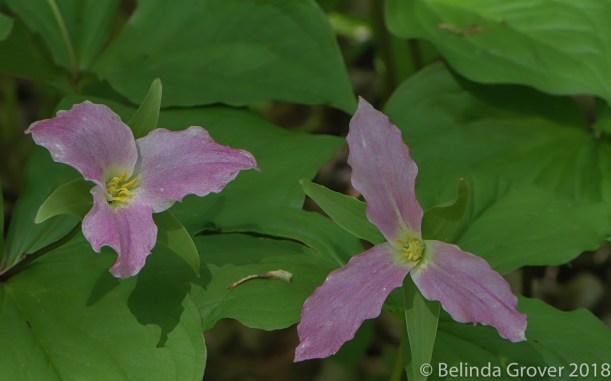
Three trilliums for this cold day in May. Last weekend the weather was warm and sunny, today we’re having snow showers. Despite the weather, the flowers know it’s there time. I took these photos in May two years ago. I imagine they’re about ready to bloom this year too.


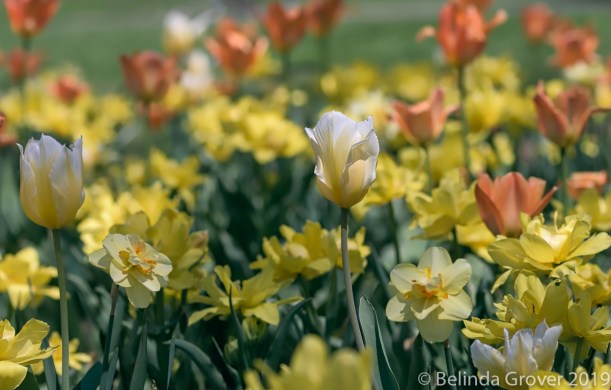
I took these photos last May at our city’s annual tulip festival. The festival was cancelled this year due to the pandemic but as I go most years, I have many photos in reserve. When we drove by the site the other day, some flowers had begun to open (the bulbs are planted every fall). It’s been a cool spring so the flowers are a bit late to bloom.
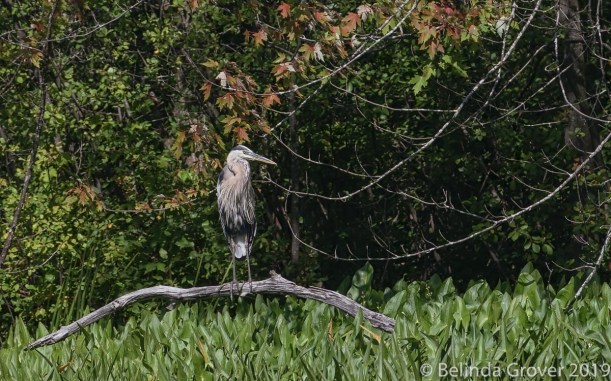
The heron was across the lake from me, having a look around. It remained in place for longer than I did. These birds can remain motionless for long periods of time particularly when stalking their prey. They are singleminded and ignore everything else around them.
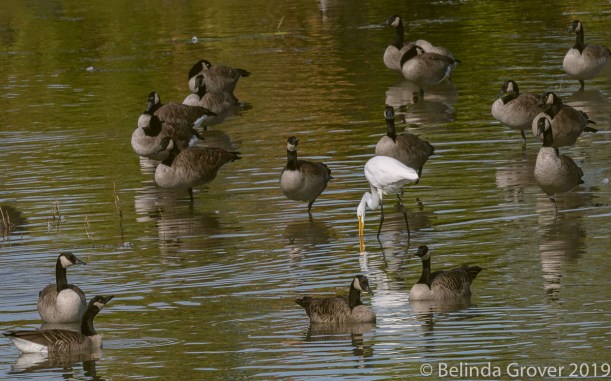
The egret was the bright spot on the water and stood out among the canada geese. We see the occasional egret, heron or cormorant along with huge numbers of geese in this body of water but they’re always at a fair distance. Scenes like this stretch the limits of my lens but make for a pleasant perspective.

As I said in my post last week, I took a lot of painted ladies last year. Here are two more. Who thought butterflies could pull a face. 😏


