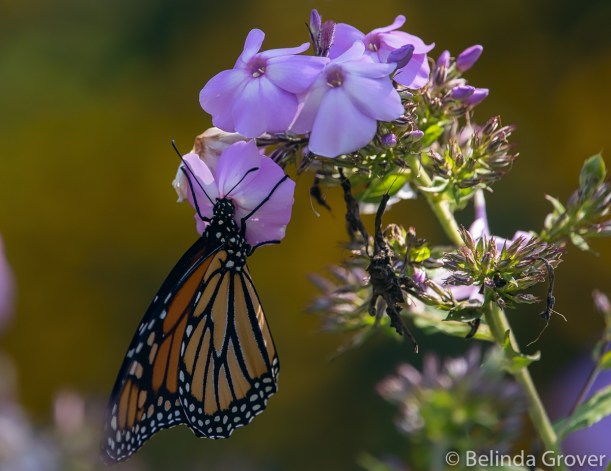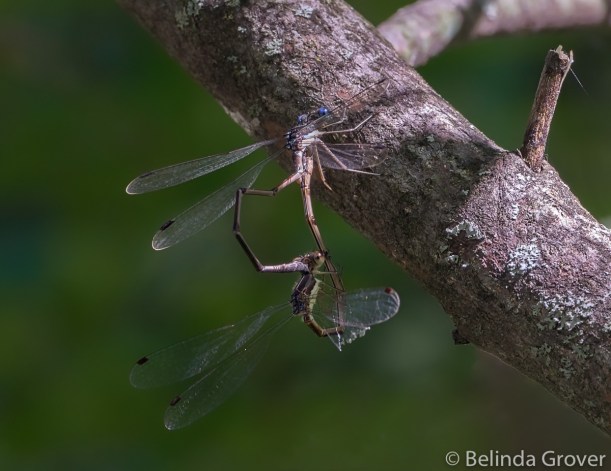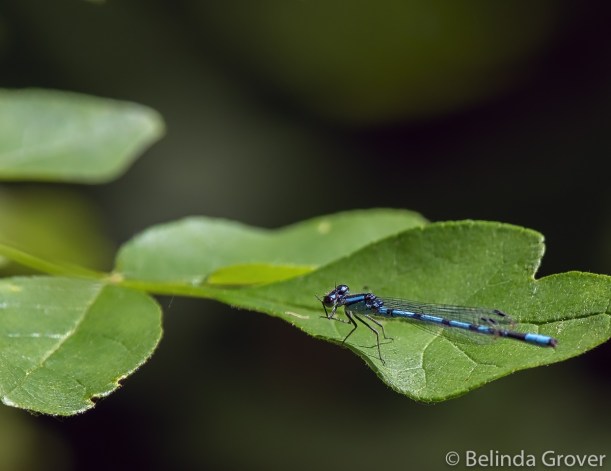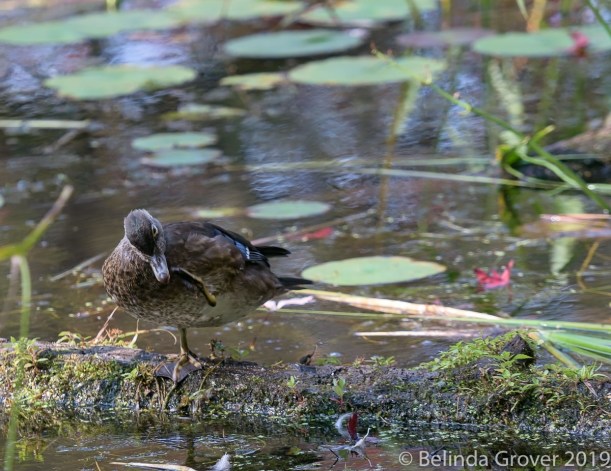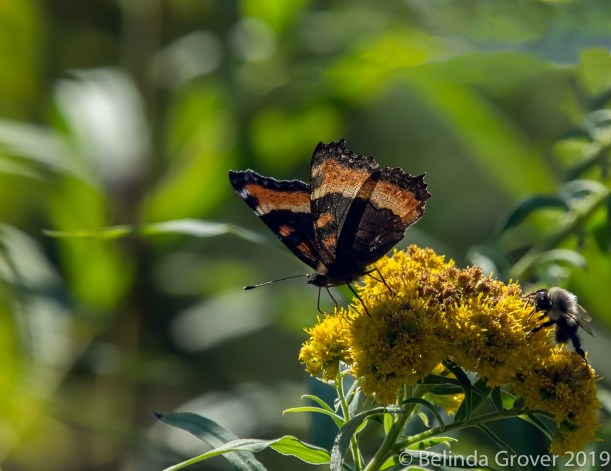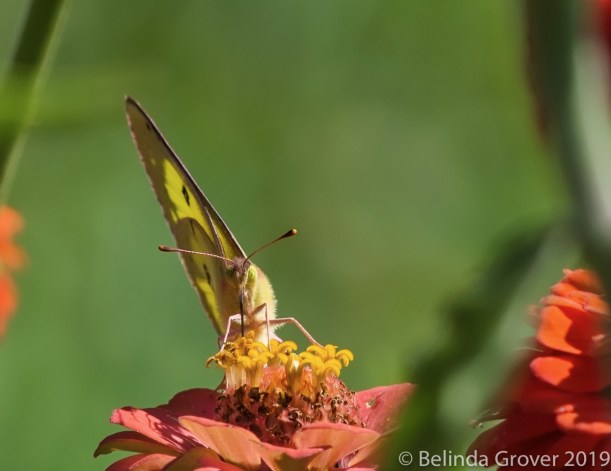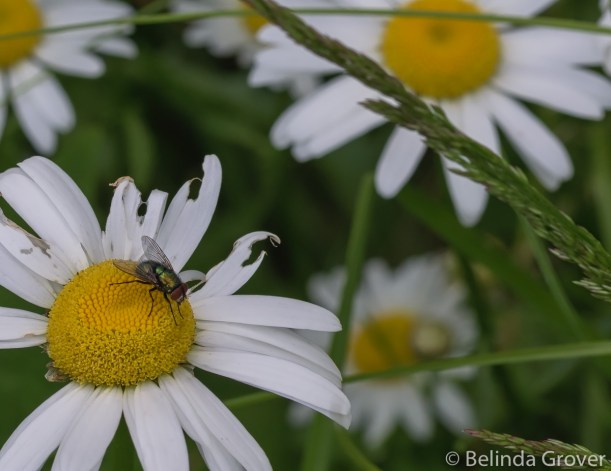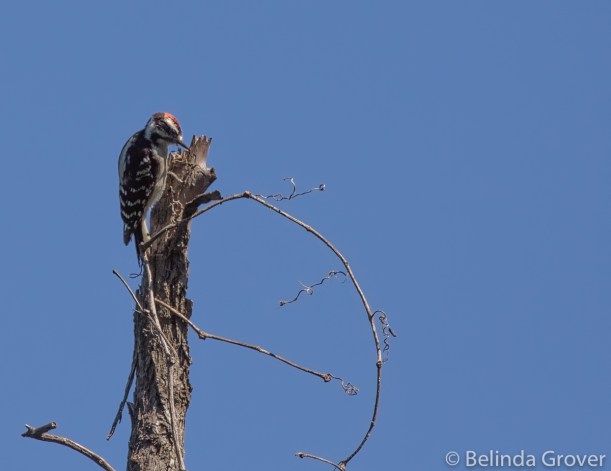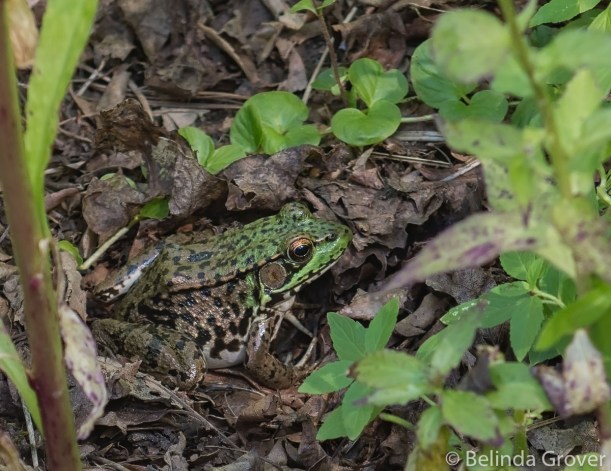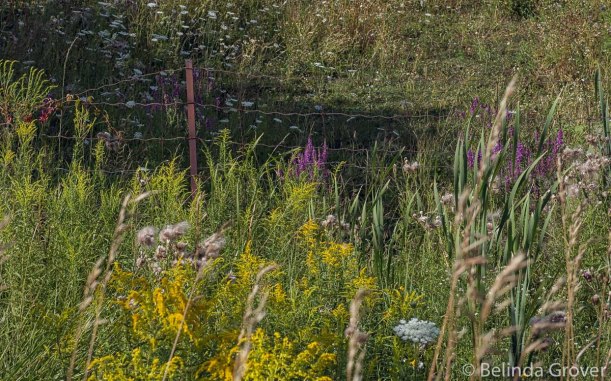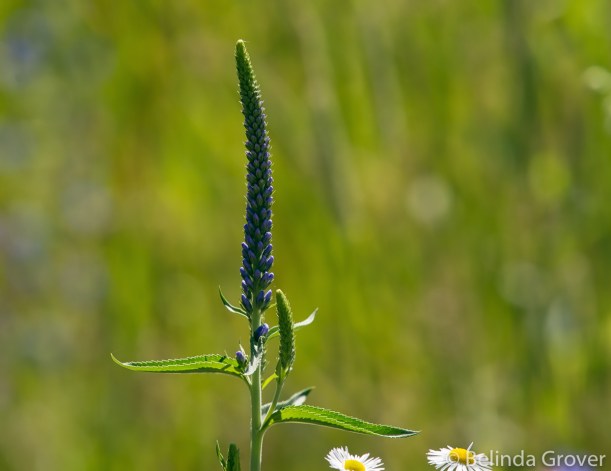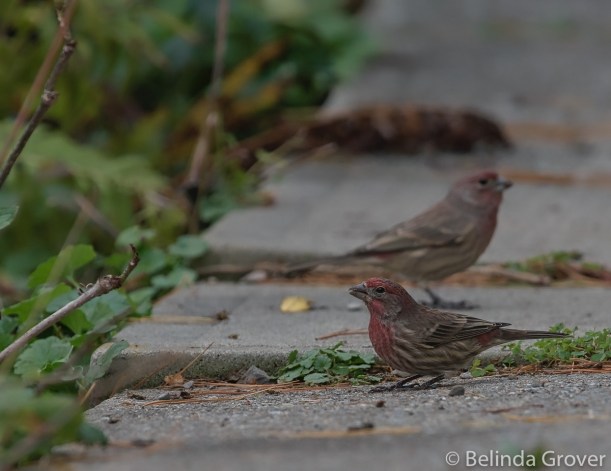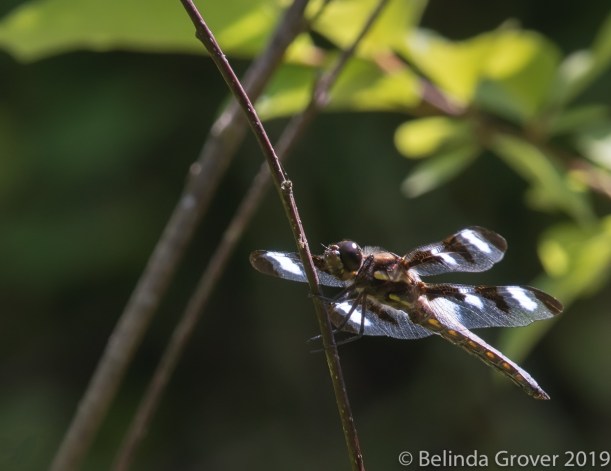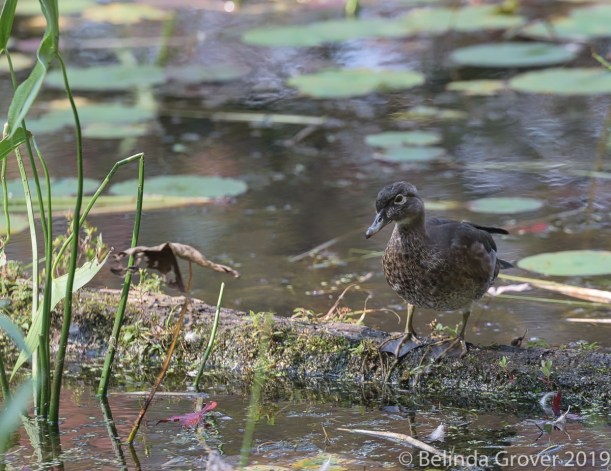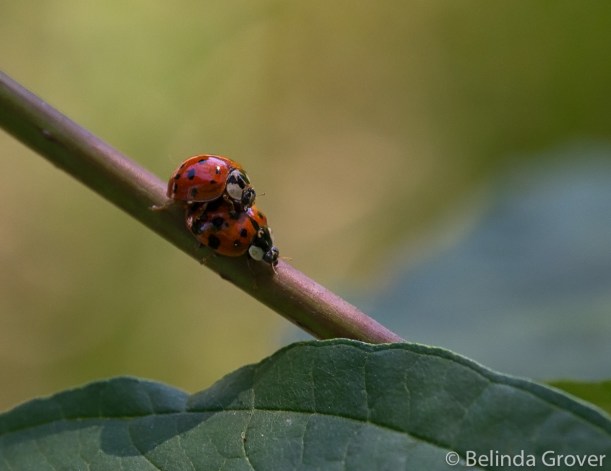
On a sunny day last fall, we parked the car and took a walk along an interesting back road. Ottawa is surrounded by fields and country roads and we’re fortunate to come across sights like these.

When the Black-crowned night herons first return in the spring, we usually spot them high up in the trees. If we see one at the water’s edge it usually takes flight. The one pictured here was photographed later in the season and the fishing was good. It looked up to stare at us and then continued about its business.

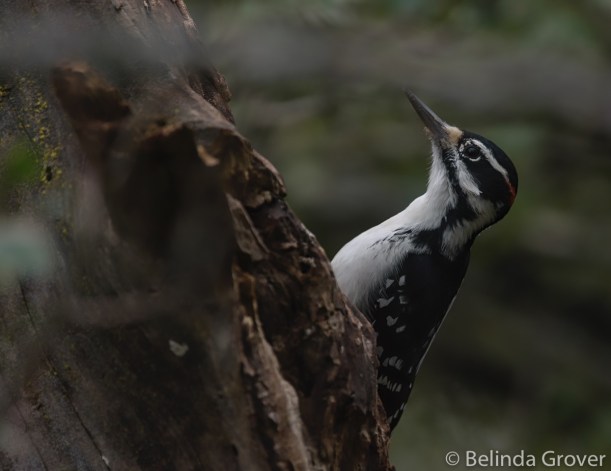
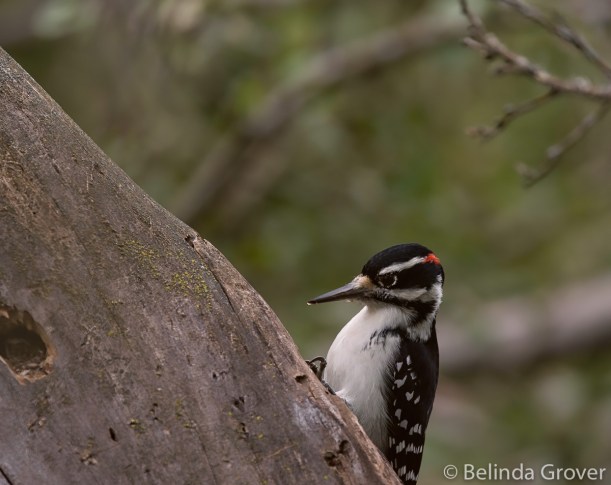
The pileated woodpecker, native to North America is also its largest woodpecker. We heard the bird excavating the tree before we saw it. These loud, colourful birds populate our woods year round although we see them most often in April, as they begin nest building, and into the fall. Other animals benefit from their home construction. As these woodpeckers nest only once in the same tree, other birds and animals will often move in and feed on the insects the woodpecker has disturbed.
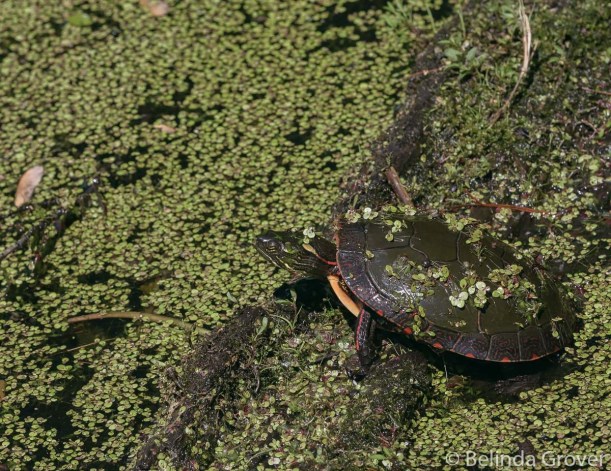
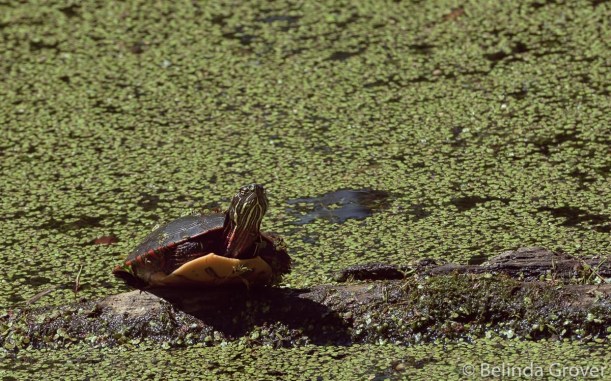
The snapping turtle surfaced from the murky water as I stood on a viewing platform. I thought it was quite young given its size but with all the algae on its shell I’m not so sure. This small lake has three kinds of turtles, the snapper growing the largest. After a long winter of hibernation deep in the mud, we’ll see them again when the ice melts in spring.
These medium sized gulls are sociable birds and opportunistic feeders. Ring-billed gulls often congregate in large numbers so I was surprised to see these two on their own. The first photo is of a breeding adult, the second is a non-breeding gull. I’m not overly fond of gulls but seeing them close up, they can be admired for their bearing and striking eyes.
On another note, this is the 4th Anniversary of my blog. 🎂

I usually see more orange skippers than the silver-spotted variety shown here. I was pleased to spot this one though, he was as perfect an example as you could hope for. I like to keep my photos as natural as possible and the butterfly made that easy. I cropped in a bit and added some contrast and that about did it.
Another insect post. I miss these vibrant summer colours. We see a lot of white and grey in the winter but when the sun does shine, the sky never looked bluer.
These beetles tend to climb on long grass stalks which make for an attractive background and gather in groups too so photo opportunities are abundant.

The reserve we go to has both beavers and muskrats although muskrats are more common. This muskrat was gliding silently through the water in among the reeds. Interesting fact – muskrats are more closely related to voles than to beavers and their tail is more like a rat tail as you can see in the photo.

We visit a nearby wildlife garden as often as we can. The garden is planted with flowers and plants that attract the local bird and insect population. It’s surrounded by acres of wooded area where we often see a nice variety of wildlife including this female red-winged blackbird enjoying a quiet moment.
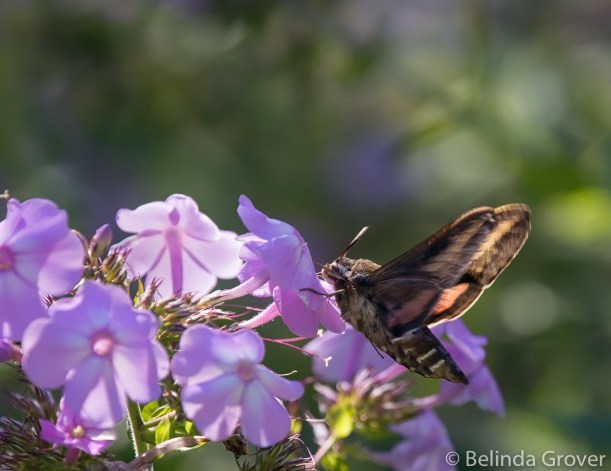
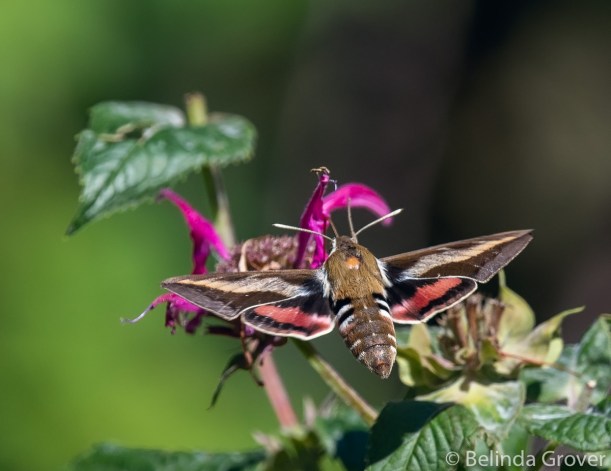
I saw a hummingbird moth just once this year, in mid-September. A friend introduced me to these insects a few years ago and every summer I keep an eye out for them. They are remarkable looking, and unlike many moths feed during the day, so if you’re really lucky you might just see one. In the second photo the moth looks like its had one too many. 😊

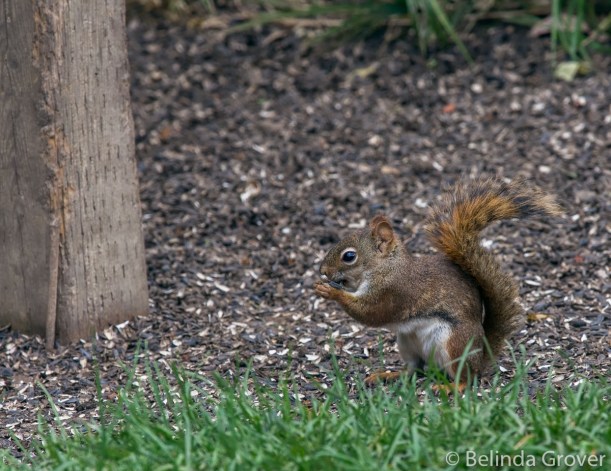
In mid summer, the living is easy for animals in our local reserve. At least it’s easier for this red squirrel than it is now with the approach of winter. The squirrels were busy in the fall hiding their winter provisions. This along with people feeding them, will help them make do until spring.